
Explore our Singapore-ready series of thermal break aluminum, high-impact storm louvers, and soundproofing casement shutters designed for high-rise residential and landed commercial developments.
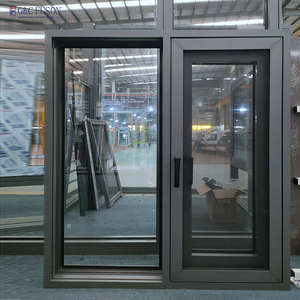
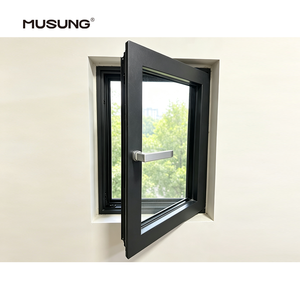
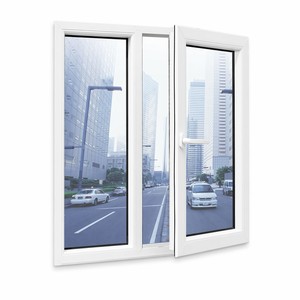
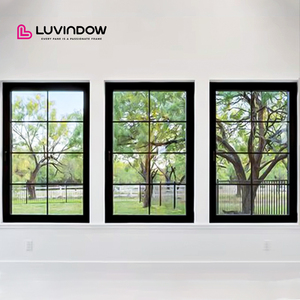
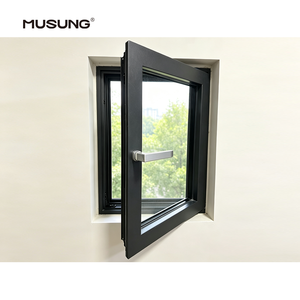
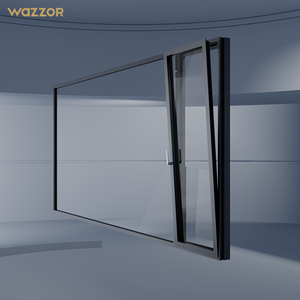
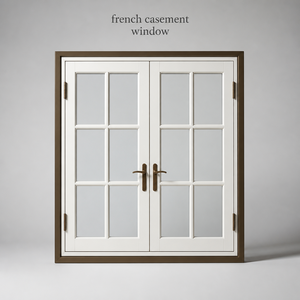
Singapore’s built environment presents one of the most demanding operational landscapes for architectural envelope components. Operating within a tropical rainforest climate characterized by relentless relative humidity averaging over 80%, severe solar radiation (UV index reaching extreme levels above 11), and localized monsoon rainfall driven by gusty tropical storms, standard off-the-shelf fenestration solutions inevitably fail prematurely. Choosing a qualified window shutters factory and supplier in Singapore requires rigorous alignment with structural engineering codes, material science standards, and urban acoustics requirements.
As a global direct-to-project manufacturer with over 50 years of specialized extrusion, thermal break assembly, and precision window manufacturing heritage, our technical engineering team addresses Singapore's specific building physics requirements. From high-density Housing & Development Board (HDB) estates along busy expressways to ultra-luxury landed estates in District 9, 10, and 11, our architectural louvers and window shutter systems deliver structural integrity, superior thermal performance, and certified acoustic dampening.
Technical Insight for Singapore Developers & Architects: Incorporating PA66GF25 thermal breaks into exterior aluminum louver shutters can reduce Envelope Thermal Transmittance Value (ETTV) by up to 28%, significantly assisting commercial and residential projects in achieving BCA Green Mark Platinum Certification.
Selecting the optimal material matrix for exterior architectural window shutters depends on structural load demands, wind pressure specifications, and micro-environmental exposures (such as salt air marine corrosion in East Coast and Sentosa Cove developments):
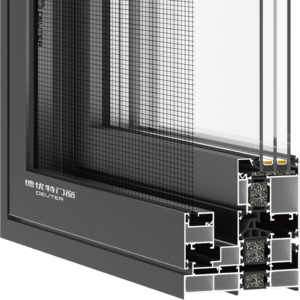
Utilizes architectural-grade 6063-T5 aluminum extrusions integrated with a 24mm PA66 fiberglass-reinforced polyamide thermal barrier. Impervious to tropical moisture swell, delivering structural strength up to 3000Pa wind loading.
Formulated with high-impact titanium dioxide (TiO2) stabilizing agents designed to prevent UV degradation, yellowing, and surface chalking under intense equatorial radiation. Naturally non-conductive and exceptionally salt-mist resistant.
Combines multi-chambered frame profiles with continuous EPDM weather-stripping gaskets and double-laminated acoustic glass inserts. Engineered specifically to dampen low-frequency urban ambient traffic noise.
Different property typologies in Singapore demand strict adherence to visual, structural, and regulatory frameworks governed by statutory bodies such as the Building and Construction Authority (BCA), Urban Redevelopment Authority (URA), and HDB guidelines:
Renovating windows and exterior sun-shading shutters in HDB flats requires strict compliance with weight loading limits, standardized opening sizes, and safety grille integrations. Our custom-fabricated aluminum casement and louver shutters are designed to fit exact 1/8-inch field measurements without requiring structural wall alterations. Incorporating internal safety bars within sleek exterior louver frames allows homeowners to eliminate bulky traditional safety grilles while maintaining child safety and vector control against insects.
High-rise residential towers in areas like Marina Bay, Tanjong Pagar, and Orchard Road face intense elevated wind forces and driving rain during the North-East and South-West monsoon seasons. Our heavy-duty outswing aluminum shutters and ultra-slim profile sliding louvers undergo rigorous pressure testing to ensure continuous water tightness (up to 600Pa water penetration resistance) while allowing residents to dynamically adjust solar glare and maintain natural ventilation without sacrificing skyline views.
Landed homeowners in Bukit Timah, Dunearn, and East Coast often face unique heat gain challenges on West-facing building facades (the West sun effect). Installing motorized architectural aluminum louvers or exterior plantation shutters provides an active dynamic shade barrier before solar radiation hits the glass envelope. This external shading strategy prevents thermal absorption into concrete walls, drastically reducing internal air conditioning loads.
Singapore’s heritage conservation areas (such as Tanjong Pagar, Chinatown, and Emerald Hill) governed by URA architectural guidelines require fenestration that mirrors traditional aesthetic profiles while delivering modern performance. Our aluminum and UPVC shutter series can be custom powder-coated in Qualicoat Class 2 finishes—mimicking classic timber finishes without the associated rotting, terming damage, or frequent repainting required by organic wood in tropical humidity.
As Singapore accelerates its progress toward urban sustainability under the Singapore Green Plan 2030, architectural hardware specifications have evolved dramatically. Understanding these emerging trends enables property developers, interior designers, and homeowners to make future-proof procurement decisions:
With high-density residential developments situated along major transport arteries like the PIE, BKE, and MRT elevated tracks, demand for STC-rated acoustic shutters has surged by over 40% to combat ambient noise pollution.
Modern architectural louvers are increasingly specified with automated Zigbee/Tuya smart tubular motors, allowing louvers to automatically adjust angle based on live UV index data or close fully upon detecting rain via exterior sensors.
Architects are shifting away from static tinted glass curtain walls toward operable, breathable louvered envelopes that promote natural cross-ventilation, lowering energy consumption while connecting indoor spaces with tropical outdoor greenery.
When sourcing window shutters direct from the factory supplier, project managers eliminate unnecessary intermediary markups while gaining full structural control over customization specifications. Operating our own modern manufacturing floor allows us to deliver continuous quality control and tailored precision:
Get clear, expert answers on regulatory compliance, installation schedules, and technical performance specs for local window shutter projects.
Yes. Any replacement or exterior modification of windows and shutters in HDB flats must be carried out by a BCA-registered window contractor and comply with HDB design guidelines regarding color schemes, safety glass specs, and structural weight limits. Our products are pre-engineered to comply with standard HDB opening tolerances and structural requirements.
Aluminum is a natural heat conductor. Without a thermal break, tropical solar heat easily transfers through the frame into your interior living space, forcing air conditioning units to work continuously. A polyamide (PA66GF25) thermal barrier physically separates the outer and inner aluminum profiles, cutting frame thermal conductivity by over 60% and reducing indoor cooling costs significantly.
Our UPVC and double-glazed thermal break aluminum casement shutter systems, when outfitted with double-laminated acoustic glass (e.g., 6mm + 0.76PVB + 6mm) and continuous EPDM air seals, achieve a Sound Transmission Class (STC) rating between 38dB and 45dB. This drastically reduces high-frequency traffic hum and train noise to comfortable indoor ambient levels (<40dB).
Absolutley. Our heavy-duty storm louver series features overlapping blade geometries combined with internal dual-drainage channels and continuous EPDM rubber perimeter gaskets. They are laboratory tested to withstand up to 600Pa of water pressure under simulated driving monsoon conditions without water ingress.
Our Qualicoat Class 2 fluorocarbon and PVDF powder-coated aluminum shutters carry up to a 10-to-15 year factory warranty against color fading, chalking, and flaking—even when installed in high-salinity marine environments like Sentosa Cove or coastal East Coast properties.
Once final field measurements and shop drawings are signed off, custom factory fabrication typically takes 15 to 25 days. Direct sea freight to Singapore port takes approximately 7 to 10 days, ensuring your project receives factory-direct pricing with efficient lead times.
Contact our technical engineering sales team today to request complete architectural specifications, structural CAD drawings, and our comprehensive 2025 product catalog.
Get Catalog