High-Performance Window Systems for Seattle Procurement
Discover our specialized window frame configurations designed for thermal compliance, structural rigidity, and wet-climate endurance. Every unit is engineered with custom dual or triple glazing and precision-welded frame profiles.
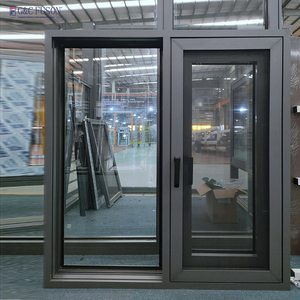
Fuson Thermal Break Aluminum Double & Triple Glazed Casement Windows
- Polyamide PA66 GF25 thermal strip barrier
- Triple-sealed atmospheric weather stripping
- Ideal for high-precipitation PNW envelopes
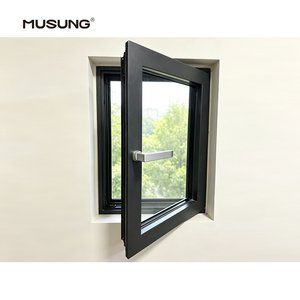
Custom Modern Windproof Double Glazed Aluminum Casement Windows
- Heavy-duty 6063-T6 extruded alloy frame
- Multi-point security locking mechanism
- Engineered for high-wind urban exposure
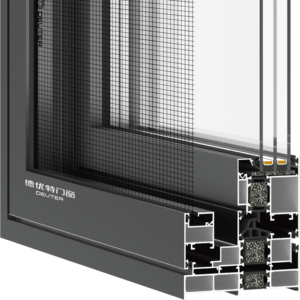
USA Villa Impact-Resistant Outswing Aluminum Casement Window
- Laminated structural safety glass package
- ASTM E330 structural performance validated
- Low Solar Heat Gain & cold insulation
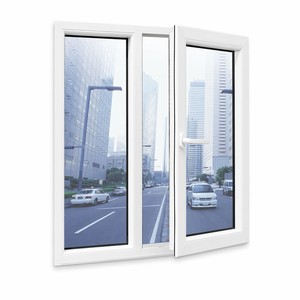
European Design Soundproof UPVC Double Glazed Casement Windows
- Multi-chamber fusion-welded PVC profiles
- Superior acoustic attenuation (STC 38+)
- Zero moisture degradation or rotting
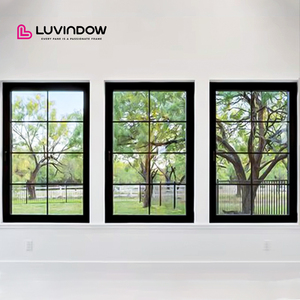
Thin Profile Black Aluminum Alloy High-Impact Casement Window
- Architectural narrow sightline engineering
- AAMA 2605 matte black powder finish
- Designed for modern Pacific Northwest designs
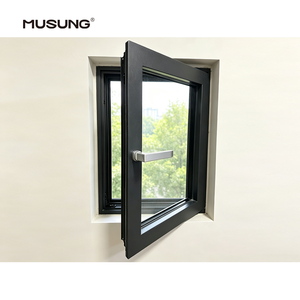
Modern Thermal Break Windproof Double Glass Aluminum Windows
- Argon-filled Low-E insulated glass units
- Internal weep chamber water management
- Wholesale bulk project schedule available
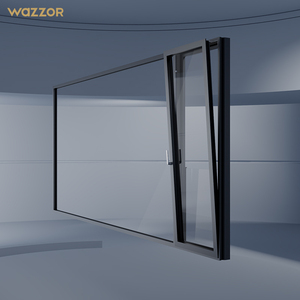
Wazzor Structural Typhoon-Resistant & Energy-Saving Windows
- Reinforced corner cleats & heavy wall thickness
- Advanced Soundproof & Condensation Control
- Suited for coastal bluff installations
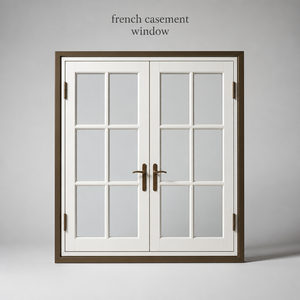
Luxury French Aluminum Casement Window with Internal Grill Design
- Double tempered glazing with muntin bar options
- Custom architectural arch & French sashes
- Preserves historic aesthetic with modern tech
Fenestration Performance Engineering for Seattle’s Microclimate
Building envelopes in Seattle and the surrounding Puget Sound region encounter a unique combination of meteorological demands. Defined by IECC Climate Zone 4C (Marine), the Pacific Northwest requires window frame manufacturing standards that drastically differ from dry southern or harsh inland continental zones. The persistent humidity, prolonged rain cycles, diffuse low-angle winter sunlight, and strict municipal energy conservation laws dictate that architectural specifiers select fenestration systems built to stringent structural and thermal parameters.
As a direct-to-trade window frames manufacturer, our facility engineers profile extrusions, thermal barrier assemblies, and insulated glass units tailored specifically to counter the envelope vulnerabilities common in Western Washington. Achieving compliance with the latest Washington State Energy Code (WSEC) requires a granular understanding of frame U-factors, solar heat gain coefficients (SHGC), condensation resistance factors (CRF), and air/water infiltration resistance metrics.
WSEC Thermal Compliance
Seattle building codes mandate prescriptive window assembly U-factors as low as 0.24 to 0.20 Btu/h·ft²·°F. Our thermal break aluminum frames utilize dual-extruded polyamide strips (PA66 GF25) that interrupt thermal bridging, maintaining indoor surface temperatures and eliminating interior heat loss.
Atmospheric & Salt Spray Resistance
Coastal exposure along Elliott Bay and Lake Washington exposes framing profiles to moisture and salt atmosphere. We apply high-performance fluoropolymer coatings complying with AAMA 2605 specifications, providing 10+ years of chalk and fade resistance against coastal weathering.
Air & Water Infiltration Defense
Wind-driven rain in the Puget Sound basin exerts intense hydrostatic pressure on fenestration joints. Our factory-assembled frames incorporate pressure-equalized drainage tracks, EPDM gasket seals, and pressure testing exceeding ASTM E331 standards up to 12.00 PSF water resistance.
When evaluating window frame manufacturers for Seattle developments, commercial general contractors and residential architects must demand verified mill test reports and structural engineering credentials. By maintaining full in-house control over metal extrusion, thermal break insertion, glass cutting, and hardware integration, our factory delivers unitized and stick-built frame systems built precisely for Pacific Northwest performance metrics.
Localized Application Scenarios Across Greater Seattle
Architectural typologies across King County and the Puget Sound demand diverse frame profiles, structural capacities, and aesthetic finishes. Below are key regional application scenarios where our factory-direct fenestration systems excel:
1. Urban High-Density & Mid-Rise Infill (Capitol Hill, South Lake Union, Bellevue Downtown)
High-density residential developments in Seattle’s urban core demand slim profile sightlines combined with enhanced acoustic attenuation to counter street and light rail noise.
- Acoustic Rating: Frame designs accommodate double/triple glazing pockets up to 44mm, achieving STC ratings above 40.
- Narrow Sightlines: High strength-to-weight 6063-T6 aluminum permits expansive glass area for natural daylighting.
- Fire & Code Compliance: Non-combustible aluminum frame construction conforming to Seattle Commercial Building Code requirements.
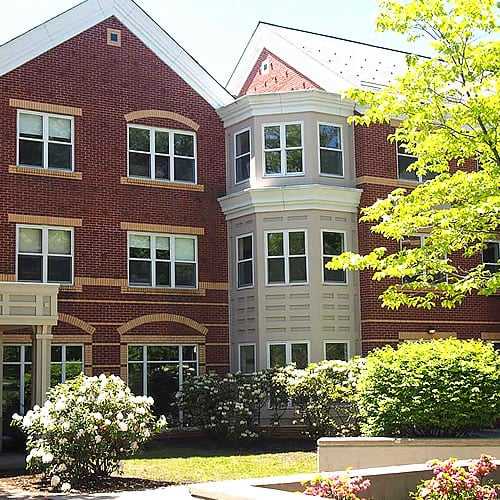

2. Luxury Waterfront & Coastal Residences (Mercer Island, Bainbridge Island, Kirkland)
Waterfront luxury homes along Lake Washington and Puget Sound suffer from severe wind loads and continuous damp marine air. Frame engineering must guarantee structural durability without sacrificing scenic panoramic views.
- Corrosion Barrier: AAMA 2605 fluoropolymer coatings resist salt haze and persistent relative humidity.
- Structural Deflection: Reinforced mullions engineered to withstand DP (Design Pressure) ratings up to 60+ PSF.
- Condensation Resistance: Warm-edge glass spacers and multi-chambered thermal breaks maintain surface temperatures above dew point.
3. Historic Preservation & Craftsman Remodels (Queen Anne, Fremont, Ballard)
Seattle's iconic Craftsman bungalows and turn-of-the-century homes require replacement window frames that preserve historic exterior trim lines while updating energy efficiency.
- Custom Profile Replication: Precise 1/8-inch tolerance manufacturing to fit existing rough openings without wall demolition.
- Simulated Divided Lites (SDL): Historic muntin bar configurations bonded over thermal break glass packages.
- Hybrid Material Systems: Premium vinyl and aluminum casements offering classic aesthetics with zero upkeep.
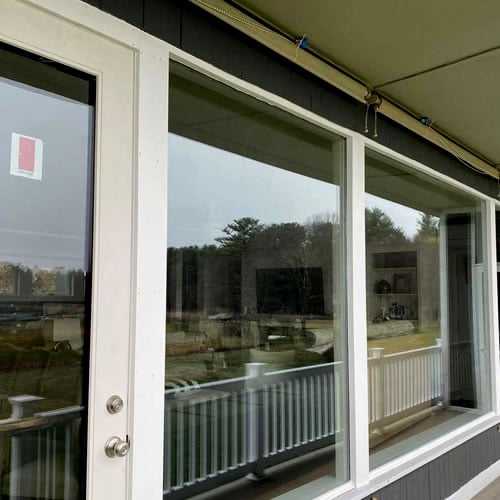
Seattle Architectural Trends & Green Building Standards
Seattle leads North America in adopting ultra-low energy building policies, including Passive House (Passivhaus) designs and LEED Gold/Platinum targets. As fossil fuel heating systems are phased out in favor of electric heat pumps under municipal decarbonization mandates, the thermal load of the building envelope becomes the single most critical factor in HVAC sizing.
1. Optimized Low-E Coating Configurations
Seattle's cloud cover requires window glass to maximize visible light transmittance (VLT) while restricting radiative winter heat loss. Solar heat gain coefficients (SHGC) are tuned to allow controlled passive solar warmth during cold months while maintaining Low-E 272 or 366 coatings on surface #2 or #3 to keep internal thermal energy inside.
2. Polyamide Thermal Break Technology
Older aluminum windows created cold interior frames leading to condensation and mold growth. Modern factory production inserts glass-fiber reinforced polyamide strips (PA66 GF25) between inner and outer aluminum extrusions, reducing thermal conductivity by over 500 times compared to standard aluminum frames.
3. Dark Exterior Finishes & Anodized Tones
Architectural preferences in Puget Sound have shifted toward dramatic matte black, dark bronze, and metallic anodized finishes. Our direct factory powder coating lines deliver AAMA 2604/2605 compliant architectural paint systems that withstand solar UV degradation and salt spray without blistering or fading.
50 Years of Manufacturing Excellence & Direct Supply Logistics
Since 1973, our manufacturing enterprise has operated on a single core principle: total quality control from raw profile extrusion to job-site delivery. Unlike regional window dealers or middlemen who resell pre-packaged stock dimensions, we operate our own specialized fabrication floor.
For Seattle architects, general contractors, property management firms, and residential builders, working directly with our factory guarantees exact dimensional fidelity, customized structural hardware, transparent lead times, and factory-direct wholesale pricing.
- In-House Custom Fabrication: Profiles cut, fusion-welded, milled, and glazed to exact 1/8-inch increments.
- Rigorous Testing Protocols: Every batch inspected for corner weld strength, seal integrity, and operational torque.
- Direct Shipping & Containerization: Customized wood crating and container loading tailored for ocean or rail freight to Seattle ports.
- Single Point Warranty Coverage: Frames, sash, insulated glass units, and hardware serviced by the original manufacturer.
Factory Capabilities at a Glance
Frequently Asked Questions for Seattle Window Buyers
Essential technical, code compliance, and trade logistics information for contractors, developers, and homeowners sourcing window frames in Washington State.
Q1: How do your manufactured window frames comply with the Washington State Energy Code (WSEC)?
Our window assemblies are designed specifically to meet or exceed WSEC prescriptive energy targets. By integrating dual-insulation polyamide thermal breaks (PA66 GF25), warm-edge insulating glass spacers, and low-emissivity (Low-E) dual or triple glass filled with 90% argon gas, we achieve whole-window U-factors starting as low as U-0.22 to U-0.18. NFRC simulation reports and physical test data can be provided for plan submittal to the Seattle Department of Construction and Inspections (SDCI).
Q2: Why is thermal break aluminum superior to traditional solid aluminum frames in Seattle's climate?
Traditional solid aluminum is highly conductive, allowing cold outdoor winter air to transfer directly into the building interior. This results in severe heat loss and causes atmospheric moisture in Seattle homes to condense on the frame, leading to interior sill water damage and toxic mold growth. Thermal break aluminum separates the exterior and interior aluminum profiles with a low-conductive polyamide structural bar, eliminating thermal conduction, improving Condensation Resistance Factors (CRF), and dramatically lowering heating utility costs.
Q3: What finishes are recommended for waterfront projects along Puget Sound and Lake Washington?
For waterfront or coastal bluff installations subjected to salt spray and continuous moisture, we strongly specify AAMA 2605 high-performance fluoropolymer (PVDF) architectural powder coatings or heavy Class I anodized finishes. AAMA 2605 finishes undergo 4,000 hours of salt spray testing and provide maximum resistance against color fading, gloss loss, chalking, and environmental corrosion.
Q4: Can your factory produce custom window shapes, arch tops, and non-standard rough openings?
Yes. Because we engineer and fabricate all window frames on-site to exact order schedules, units are manufactured to precise 1/8-inch opening dimensions. Radius arch tops, trapezoids, rake windows, 90-degree glass-to-glass corner units, bay/bow window assemblies, and custom geometric shapes are routine production line procedures rather than expensive custom surcharges.
Q5: What is the typical lead time and shipping process for factory direct delivery to Seattle?
Standard manufacturing production runs require approximately 3 to 4 weeks depending on order volume and frame complexity. Ocean and rail transit to Seattle container terminals typically takes 2 to 3 weeks. All units are wrapped in protective film, corner-guarded, and packaged in heavy-duty reinforced wooden crates designed for safe crane or forklift handling at Seattle construction sites.
Q6: How do I initiate a factory quote for a commercial multi-family or luxury residential project?
Simply click the inquiry button below to connect directly with our engineering sales team. You can submit architectural window schedules, CAD elevation drawings, or rough opening dimensions. Our estimators will prepare a comprehensive factory-direct quotation including structural specifications, thermal performance calculations, hardware options, and landed delivery costs to your Seattle project location.
Ready to Spec High-Performance Window Frames for Seattle?
Partner directly with an established window frames factory. Get certified thermal break performance, custom dimensions, and direct trade pricing for your next Pacific Northwest development.