
Industrial Grade Windows & Doors for the Brazilian Market
Engineered for extreme solar resistance, acoustic dampening in dense urban centers, and coastal salt-spray protection across South America.
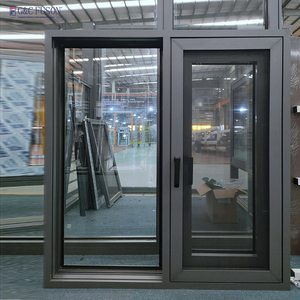
Fuson Thermal Break Aluminum Double & Triple Glazed Casement Windows
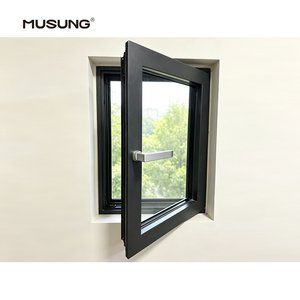
Custom Modern Aluminum Casement Windproof Energy Saving Windows
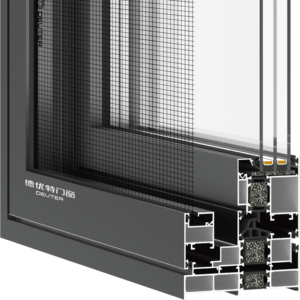
Villa Impact-Resistant Hurricane Security Outswing Aluminum Windows
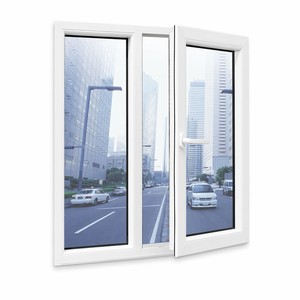
European Design UPVC High-Soundproof Double Glazed Casement Windows
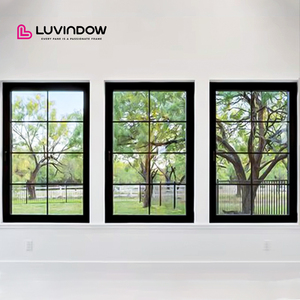
Ultra-Thin Profile Black Aluminum High-Impact Coastal Architectural Windows
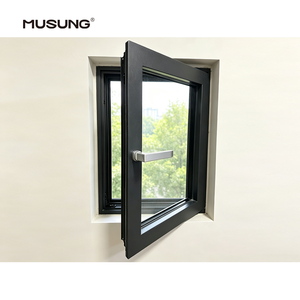
Modern Heavy-Duty Thermal Break Aluminum Double-Glass Residential Windows
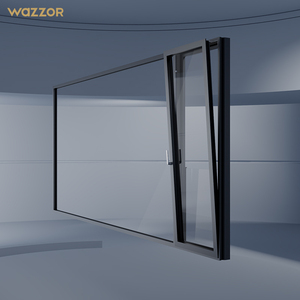
Typhoon & Windstorm Resistant Soundproof Aluminum Casement Windows
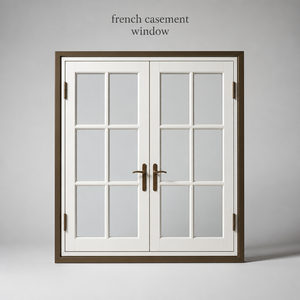
Luxury French Aluminum Casement Window with Integrated Grill & Tempered Glass
Technical Innovation for Brazilian Architecture
Purpose-engineered fenestration solutions tailored to South America's diverse microclimates—from humid coastal regions to high-density metropolitan areas.
Tropical Thermal Break Systems
Utilizing high-density PA66GF25 polyamide thermal barriers to block high solar heat gain (SHGC), cutting HVAC cooling energy consumption by up to 40% in equatorial Brazilian zones.
Urban Acoustic Isolation
Designed for noisy urban corridors like São Paulo and Rio de Janeiro. Multi-chambered vinyl profiles and asymmetric acoustic glass setups suppress ambient traffic noise up to 42 decibels.
C5 Marine Anti-Corrosion
Specially treated anodized and fluorocarbon (PVDF) coated aluminum frames capable of resisting salt-spray degradation along Brazil's 7,491 km Atlantic coastline.
The Comprehensive Guide to Architectural Window & Door Systems in Brazil
A comparative analysis of material science, structural engineering under ABNT NBR 10821, and B2B supply chain optimization for Brazilian real estate development.
1. Structural Engineering & Local Compliance: ABNT NBR 10821 Standard
Fenestration systems imported or integrated into Brazilian civil construction must meet rigorous mechanical and environmental benchmarks defined by the Associação Brasileira de Normas Técnicas (ABNT), specifically NBR 10821 (Windows for Buildings). The unique topography and atmospheric conditions across Brazil—ranging from high wind-load coastal towers in Balneário Camboriú to high-altitude structures in Curitiba—require modular structural flexibility.
Our aluminum and UPVC profile lines are engineered with reinforced internal steel core channels and heavy-wall aluminum extrusions (6063-T5 alloy with wall thickness ranging from 1.4mm to 3.0mm). This structural architecture guarantees resilience under positive and negative wind pressures exceeding 4,500 Pa, satisfying the strictest requirements for Zone 5 (high-rise residential structures subjected to extreme atmospheric stress).
Structural Performance Parameters
| Performance Characteristic | Testing Standard | Technical Metric | Brazilian Market Application |
|---|---|---|---|
| Air Infiltration Resistance | ASTM E283 / ABNT NBR 10821-2 | < 0.1 cfm/ft² at 1.57 psf | High-rise luxury apartments (São Paulo, Brasília) |
| Water Penetration Resistance | ASTM E331 / ABNT NBR 10821-2 | No leakage at 720 Pa (15 psf) | Tropical heavy rainfall & monsoon zones (Manaus, Belém) |
| Structural Wind Load | ASTM E330 / ABNT NBR 10821-2 | Design pressure ±4500 Pa | Coastal high-rise buildings (Florianópolis, Rio de Janeiro) |
| Acoustic Insulation (STC/Rw) | ISO 717-1 / ASTM E413 | Rw 38dB – 44dB | Metropolitan avenue facing facades |
| Thermal Transmittance (U-Factor) | NFRC 100 / ISO 10077 | 1.2 – 1.8 W/m²·K | HVAC-optimized sustainable commercial projects |
2. Thermal Dynamics in Tropical Environments: Solar Heat Gain Control
In mid-to-high latitude countries, window selection focuses predominantly on retention of interior heat (preventing U-factor thermal loss during winter). In Brazil, however, the primary thermodynamic challenge is controlling Solar Heat Gain Coefficient (SHGC) while maintaining optimal visible light transmittance (VLT). Excessive infrared radiation entering residential and commercial spaces significantly inflates air conditioning loads, impacting a building's overall operational carbon footprint.
Our Thermal Break Aluminum windows utilize dual polyamide structural strips (PA66GF25 reinforced with 25% fiberglass). This break physically separates the interior metal profile from the exterior metal profile, interrupting thermal conduction through the frame. When paired with double or triple-pane Low-Emissivity (Low-E) insulated glass units filled with 90% inert Argon gas, radiant heat transfer is substantially diminished.
- Spectrally Selective Low-E Glazing: Blocks up to 78% of ambient solar heat while transmitting up to 65% of natural daylight, reducing reliance on artificial interior lighting.
- Warm-Edge Spacer Technology: Silicone-foam structural spacers eliminate cold bridges at the glass perimeter, preventing internal condensation in high-humidity zones like Salvador and Recife.
- UV-Filtering Laminated Interlayers: Polyvinyl Butyral (PVB) or SentryGlas® (SGP) interlayers block 99.9% of destructive UV rays, preserving interior flooring, furniture, and art assets.
3. Acoustic Engineering for High-Density Urban Hubs
Rapid urban density across Brazilian metropolitan capitals creates significant ambient sound pollution. Traffic noise from major arterial roads (such as Avenida Paulista or Avenida das Américas) frequently reaches peak levels of 85 dBA. Standard single-pane 4mm or 6mm glass fenestration provides minimal acoustic dampening, leaving interior sound levels uncomfortably elevated.
Achieving meaningful acoustic mitigation requires multi-layered structural isolation. We employ asymmetric double-glazing configurations (e.g., 6mm tempered outer glass + 12mm Argon space + 8.76mm laminated acoustic inner glass). Because different glass thicknesses vibrate at different resonance frequencies, asymmetric assemblies disrupt acoustic waves across a broader spectrum of sound frequencies.
4. Coastal Corrosion Defenses & Metallurgy
Brazil possesses one of the longest continuous marine environments in the Western Hemisphere. Coastal salt-spray atmospheres contain suspended sodium chloride particles that rapidly oxidize substandard hardware, fasteners, and aluminum extrusions. Commercial projects built within 5 km of the ocean face severe C5-M (Marine High) atmospheric corrosivity ratings under ISO 12944.
To eliminate oxidation, our architectural aluminum profile systems undergo specialized surface treatment protocols prior to fabrication:
- Qualicoat Class 2 Electrostatic Powder Coating: Applied at a minimum thickness of 60–80 microns, providing exceptional resistance against chalking, fading, and salt air degradation.
- Anodizing Grade 25 (AA25): Produces an integral electrochemical aluminum oxide protective layer measuring >25 microns thick, tailored for extreme coastal exposure.
- 316 Marine-Grade Stainless Steel Hardware: Hinges, multi-point locking rods, rollers, and assembly screws are strictly manufactured from AISI 316 stainless steel to eliminate galvanic corrosion.
5. Architectural Application Scenarios in Brazil
Our manufacturing plant provides flexible custom dimensions cut down to precise 1/8-inch (3mm) increments, catering directly to diverse regional architectural trends across South America:
A. Luxury Gated Community Villas (Condomínios Fechados)
Modern luxury homes in developments like Alphaville, Quinta da Baroneza, and Fazenda Boa Vista favor expansive floor-to-ceiling glass fenestration, ultra-thin sightline casements, and seamless indoor-outdoor patio transitions. Our high-strength aluminum alloy frames support massive glass sashes up to 3.5 meters in height while ensuring effortless glide mechanics.
B. High-Rise Commercial & Residential Towers
Urban towers require uniform exterior profiles, high wind load resistance, integrated trickle ventilation, and strict fire safety compliance. Our structural curtain wall modules and outward-opening casement windows offer certified structural safety and rapid modular installation for general contractors.
C. Coastal Luxury Resorts & Boutique Hotels
Hospitality environments in Nordeste beach destinations require storm-resistant, impact-certified sliding glass doors and casements that keep guest suites whisper-quiet while offering unobstructed sea vistas.
Frequently Asked Questions for Brazilian Procurement
Essential technical, logistical, and commercial inquiries answered by our engineering export specialists.
What are the freight & logistics protocols for shipping to Brazil?
We handle export packaging (ISPM-15 compliant heat-treated wooden crates, anti-scratch protective film, corner guards) for direct container shipping (FCL/LCL) to key Brazilian sea ports including Port of Santos, Port of Paranaguá, and Port of Suape. We provide full documentation for SISCOMEX customs clearing.
Do your window systems comply with Brazilian ABNT NBR 10821 standards?
Yes. Our engineering department verifies profile wall thickness, glass specs, and structural wind pressure ratings against ABNT NBR 10821 specifications prior to manufacturing, providing third-party test reports for project approval.
Can you fabricate non-standard, custom architectural window sizes?
Absolutely. Because every unit is cut, welded, and assembled in our own factory, we build to exact field measurements down to 1/8-inch (3mm) tolerances. Arches, trapezoids, bay window units, and oversized patio doors are executed routinely.
How does Thermal Break Aluminum perform compared to traditional profiles?
Traditional single-chamber aluminum transfers exterior ambient heat directly indoors. Thermal break profiles insert a non-conductive polyamide barrier between interior and exterior profiles, reducing frame heat conduction by over 60% and vastly lowering AC electricity costs.
What warranty coverage accompanies commercial orders?
We provide a comprehensive written manufacturer warranty covering vinyl and aluminum profile integrity (up to 20 years against cracking/discoloration), insulated glass units against seal failure (10 years), and hardware components (5 years).
Do you supply local technical installation guidance for Brazilian installation crews?
Yes. We supply complete CAD elevation drawings, shop assembly manuals, and direct technical video support to coordinate with your local installation contractors or engineering teams on site.
50+ Years of Manufacturing Excellence & Factory Direct Control
Unlike third-party traders or assemblers, we manage every phase of production under our own roof. From raw extrusion processing and corner fusion welding to glass unit fabrication and final quality control, our integrated facility ensures unmatched precision and reliable lead times for international project shipments.
- In-House Custom Fabrication: Cutting, welding, glazing, and quality testing under one roof.
- Direct Technical Support: Work directly with factory engineers rather than middleman agents.
- B2B Project Scheduling: Scalable volume output tailored to commercial development milestones.
Ready to Partner on Your Next Brazilian Project?
Get in touch with our international sales and engineering team for custom pricing, technical drawings, sample kits, and complete fenestration schedules tailored to your development specifications.