
Curated Product Showcase for Doha Projects
Discover our high-performance line of UPVC and hybrid architectural doors and windows. Engineered specifically for Qatar's high UV index, extreme heat cycles ($50^\circ\text{C}+$ ambient temperatures), sandstorm sealability, and Kahramaa energy performance requirements.
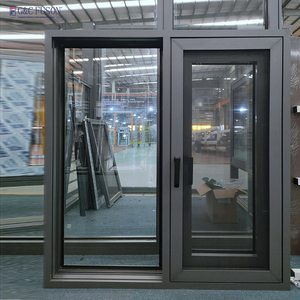
- Triple-glazed insulated Low-E glass system
- Tropicalized anti-UV profile chemistry
- Thermal Transmittance U-value < 1.2 W/m²K
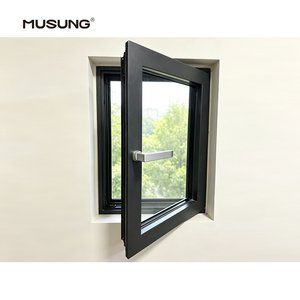
- Multi-point steel lock compression system
- Dual EPDM dust & acoustic perimeter seal
- Class A 3.0mm wall profile construction
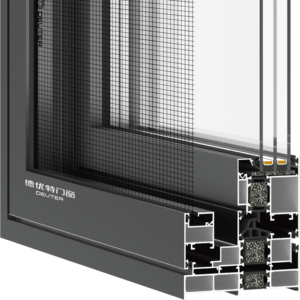
- Laminated safety glass against high-wind loads
- Galvanized steel core reinforcement inside
- Ideal for West Bay Lagoon & Pearl-Qatar villas
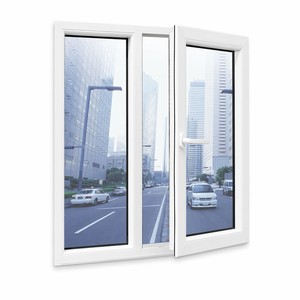
- High-titanium oxide formulation prevents yellowing
- Sound attenuation rating: Rw = 42 dB
- Zero maintenance in saline coastal air
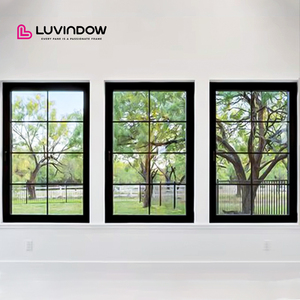
- Ultra-narrow sightlines with maximized daylighting
- Electrostatic anti-corrosion exterior finish
- Smooth heavy-duty stainless steel sliding track
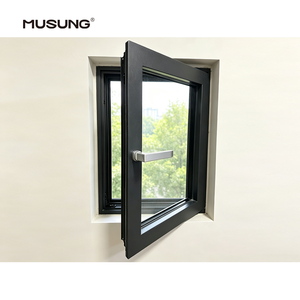
- Argon-filled warm-edge spacer unit
- Compliant with Qatar Construction Specifications (QCS)
- Heavy-duty load capacity up to 300kg per sash
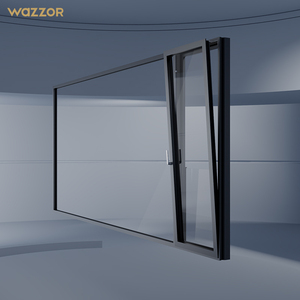
- Extreme heat deflection technology
- Resistant to airborne quartz sand erosion
- Designed for Lusail & Msheireb development standards
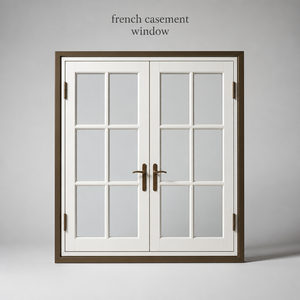
- Decorative customized internal muntin bar designs
- Double tempered safety glass with reflective tinting
- Superior thermal insulation saving up to 35% HVAC energy
1. The Doha Architectural Micro-Climate: Sourcing UPVC Doors from Top Chinese Manufacturers
The State of Qatar, and specifically its rapidly expanding capital, Doha, presents one of the most demanding environmental challenges in the world for exterior architectural building envelopes. With summer ambient air temperatures frequently exceeding $48^\circ\text{C}$ and surface temperatures on building facades reaching upwards of $75^\circ\text{C}$, coupled with extreme Ultraviolet (UV) index exposure peaking above 11+, traditional doors and fenestration materials face rapid degradation. Furthermore, coastal developments such as The Pearl-Qatar, Lusail City, and West Bay are subject to severe salt-spray atmospheric humidity, while inland zones experience seasonal Shamal dust storms laden with abrasive quartz particles.
In response to these environmental conditions, contractors, MEP consultants, and real estate developers across Doha are transitioning away from standard non-thermal aluminum frames toward advanced Unplasticized Polyvinyl Chloride (UPVC) door systems. When procured from top-tier Chinese manufacturers who utilize climate-specific tropicalized profile compounding, UPVC doors provide unparalleled thermal isolation, anti-corrosion properties, acoustic dampening, and dust sealing.
Key Insight for Qatari Procurement Managers: Standard European or domestic UPVC formulations designed for temperate climates will embrittle and chalk within 24 months in Doha. Partnering with specialized Chinese OEM factories that engineer profiles with elevated Titanium Dioxide ($TiO_2$) stabilizer packages is mandatory to ensure a 30+ year service life.
Thermal Barrier Performance
UPVC profile material possesses a natural thermal conductivity coefficient of approximately $0.13\text{ W/m}\cdot\text{K}$—more than 1,000 times lower than standard aluminum—drastically reducing HVAC cooling loads in Qatar.
Saline Air Immunity
Unlike metal facades that pit, oxidize, or corrode under salty coastal breezes along Doha's Corniche or Qetaifan Islands, UPVC is completely chemically inert to salt and moisture.
Sandstorm Dust Sealing
High-grade Chinese UPVC doors incorporate dual and triple continuous EPDM or TPV perimeter gaskets that prevent micro-fine desert sand from penetrating residential interiors during Shamal storms.
2. Engineering & Formulation Standards for UPVC Profiles Exported to Qatar
To qualify for major Qatari commercial and residential projects governed by the Qatar Construction Specifications (QCS 2018) and the Kahramaa Building Energy Efficiency Codes, imported UPVC door systems must strictly adhere to specific physical and chemical material benchmarks. Chinese direct manufacturers specializing in Gulf Cooperation Council (GCC) exports build their production lines around these precise criteria:
A. Profile Compounding & Anti-UV Tropicalization
The primary vulnerability of standard UPVC under Qatar's high-irradiance sunshine is solar photodegradation. To prevent discoloration, yellowing, chalking, or impact strength reduction, top Chinese factories utilize raw material blends containing minimum 8 to 10 PHR (Parts per Hundred Resin) of Rutile Titanium Dioxide ($TiO_2$), combined with organic tin heat stabilizers and light-absorbing additives (UV-326 class). This formulation ensures Class-S (Severe Climate) certification according to EN 12608 standards.
B. Multi-Chambered Extrusion & Internal Steel Reinforcements
To maintain structural integrity under severe thermal expansion differential ($∆T$) between cooled indoor spaces ($21^\circ\text{C}$) and scorching outdoor surfaces ($75^\circ\text{C}$), high-quality UPVC door profiles feature 5 to 6 internal air chambers. Furthermore, main sash and frame profiles are reinforced internally with hot-dipped galvanized steel profiles (minimum wall thickness 1.5mm to 2.0mm, z275 zinc coating grade) to prevent warping and withstand wind pressure loads exceeding 2.5 kPa.
C. Material Comparison Matrix: Gulf Building Applications
| Performance Metric | Tropicalized UPVC (China Sourcing) | Non-Thermal Aluminum | Thermal Break Aluminum | QCS / Kahramaa Target |
|---|---|---|---|---|
| Thermal Transmittance (U-Value) | 1.1 - 1.4 W/m²K | 5.8 - 6.5 W/m²K | 2.2 - 2.8 W/m²K | ≤ 1.5 W/m²K |
| Solar Heat Gain Coefficient (SHGC) | 0.20 - 0.28 | 0.65 - 0.75 | 0.30 - 0.40 | ≤ 0.30 |
| UV Degradation Resistance | Class S (30+ Yrs) | High (Powder coat fade) | High | Class S Severe Climate |
| Acoustic Isolation (Rw) | 38 - 45 dB | 22 - 28 dB | 32 - 38 dB | ≥ 35 dB (Residential) |
| Corrosion Resistance (Salt Spray) | Immune (ASTM B117) | Pitting vulnerability | Moderate | Pass 3000 hr test |
| Lifecycle Procurement Cost | Optimal (Cost Effective) | Low Initial / High Energy | High Capital Outlay | Max ROI Focus |
3. Localized Application Scenarios Across Key Doha Developments
China-manufactured UPVC door systems offer versatile engineering options suited for diverse architectural master plans across the Municipality of Doha and adjacent districts:
Luxury Residential Villas (The Pearl-Qatar & West Bay Lagoon)
For high-end villas requiring large-span sliding patio doors or classic French entry doors, heavy-duty UPVC profiles integrated with double or triple insulated glass units (IGU) featuring interior decorative grills deliver elegant European aesthetics combined with strict indoor thermal comfort and noise isolation from marine vessel traffic.
High-Density High-Rise Towers (Lusail Commercial District)
Multi-story developments require extreme wind-load deflection capabilities and fire-retardant material compliance. Chinese factories supply custom structural outswing UPVC casement doors reinforced with internal heavy-gauge steel corner welds and multi-point perimeter locking gear engineered to exceed ASTM E330 structural performance standards.
Sustainable Heritage Developments (Msheireb Downtown Doha)
Urban renewal projects striving for LEED Gold and GSAS (Global Sustainability Assessment System) certifications prioritize non-conductive UPVC window and door frames that eliminate thermal bridging, helping reduce building operational carbon footprint and lowering annual chill water consumption from district cooling systems.
Industrial & Support Facilities (Ras Laffan & Mesaieed)
Staff housing compounds, administrative buildings, and laboratories located in coastal industrial basins require high resistance to harsh chemical atmospheres and salt air. UPVC doors deliver complete immunity to chemical exposure while maintaining operational reliability under continuous heavy use.
4. Core Factory Competencies: Why Partnering with Experienced Chinese Manufacturers Delivers Superior ROI
Sourcing direct from verified, large-scale Chinese UPVC door and window manufacturers gives Qatari construction projects a substantial competitive advantage in lead-time management, custom sizing capabilities, and total unit cost optimization:
With decades of continuous engineering evolution and substantial investment in automated German extrusion lines (such as KraussMaffei) and CNC four-point fusion welding centers, top Chinese manufacturers bridge the gap between high precision and scalable volume production.
Precision CNC Manufacturing
Profiles are precision-milled and fusion-welded at high temperatures, creating seamless monolithic corner joints that are 100% airtight and watertight, eliminating water leakage during intense rare desert downpours.
In-House Glazing & Low-E Argon Lines
Automated insulated glass manufacturing lines assemble tempered Low-E glass units with warm-edge spacers, filled with 90%+ argon gas to achieve superior SHGC ratings tailored to the Gulf solar spectrum.
Export Logistics & Packaging Rigor
Doors are wrapped in multi-layer protective film, corner-guarded, and crated in fumigated plywood cases designed to withstand ocean transit to Hamad Port without thermal warp or scratch damage in shipping containers.
Direct Factory Value: By bypassing trading intermediaries and procuring straight from established production facilities, Qatari developers achieve unit cost savings between 30% and 45% compared to local or European fabricators, while securing identical or superior technical performance specs.
5. Strategic Sourcing Protocol for Doha Importers & Contractors
Navigating international supply chains for large-scale building projects requires strict adherence to quality assurance steps to ensure smooth customs clearance through Hamad Port and hassle-free site assembly:
Step 1: Technical Drawing Approval & Shop Drawing Submittals
Prior to extrusion and cutting, factory engineers generate detailed CAD/BIM shop drawings based on site opening schedules. Wall thickness, glass specifications (e.g., 6mm Clear Low-E + 12Ar + 6mm Clear Tempered), hardware brands (Siegenia, Hoppe, or certified top-tier Chinese brands like Kin Long), and reinforcement thickness are fully mapped for consultant sign-off.
Step 2: Sample Testing & Certification Verification
Leading manufacturers provide physical profile corner samples, glass cut-aways, and third-party test certificates (ISO 9001, CE, ASTM, and QCS compliance test reports for air permeability, water tightness, and wind resistance) to satisfy Qatari project approval boards.
Step 3: Factory Acceptance Testing (FAT) & Pre-Shipment Inspection
Before containerization, units undergo dimensional verification, corner weld strength tests, and hardware cycle operation tests. Third-party inspection agencies (SGS, TÜV) can be accommodated to inspect container loading and seal integrity prior to departure from Chinese ports (Foshan, Ningbo, Qingdao).
6. Frequently Asked Questions (FAQ) for Qatari Sourcing & SCM Managers
Yes. Leading Chinese UPVC door manufacturers produce profiles and finished fenestration assemblies specifically engineered to meet or exceed QCS 2018 standards and Kahramaa thermal energy requirements. Ensure you request tropicalized Class-S profiles certified under EN 12608 with full test reports for thermal transmittance (U-value ≤ 1.5 W/m²K).
While UPVC has a higher linear expansion coefficient than aluminum, top factories design multi-chambered profiles reinforced with heavy internal galvanized steel inserts (1.5mm–2.0mm thick). Proper installation guidelines account for expansion gaps filled with neutral silicone sealants and flexible polyurethane foam, ensuring smooth door operation year-round without jamming.
Standard UPVC profiles formulated for Europe will yellow over time. However, export-grade UPVC doors manufactured for the Gulf market incorporate elevated levels of Rutile Titanium Dioxide ($TiO_2 \ge 8\text{ PHR}$) and organotin stabilizers. This formulation absorbs and reflects ultraviolet radiation, guaranteeing color fastness and structural stability for over 25 to 30 years in desert environments.
Production lead time typically ranges from 15 to 25 days depending on project volume and customization (such as specialized glass tinting or lamination). Direct ocean freight shipping from major Chinese ports (e.g., Nansha, Shenzhen, Ningbo) to Hamad Port in Doha takes approximately 18 to 24 days. In total, clients should budget 5 to 7 weeks from final shop drawing approval to arrival at site.
UPVC doors are significantly more cost-effective than thermal-break aluminum systems while offering superior thermal insulation properties. Compared to non-thermal aluminum, UPVC is competitively priced initially, but delivers substantial long-term savings by reducing building energy consumption and eliminating costly frame corrosion or maintenance in coastal zones.
Absolutely. Custom fabrication is a primary strength of Chinese factories. Available configurations include heavy-duty sliding patio doors, tilt-and-turn doors, arch-top French entry doors, fold-and-slide (bi-fold) systems, and integrated bug screen assemblies—all tailored to millimeter-exact field measurements provided by your site team.
Ready to Source High-Performance UPVC Doors for Your Doha Project?
Connect directly with our engineering and export team. Get immediate technical support, CAD drawing reviews, third-party test reports, and competitive factory-direct wholesale pricing for Qatar construction projects.