
Featured Commercial & Residential Storm Window Products
Precision-engineered, typhoon-rated, soundproof, and energy-efficient window systems custom manufactured for Tokyo importers, contractors, and architectural developments.
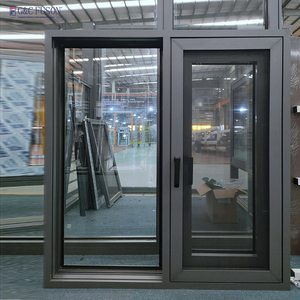
- Multi-Cavity Thermal Break System
- Triple-Glaze Argon Gas Insulation
- Typhoon-Grade Structural Resistance
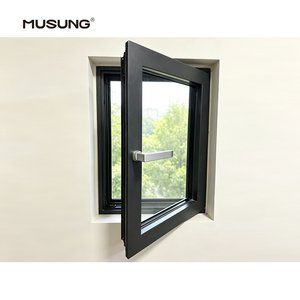
- Enhanced Windload Safety Design
- Low-E Energy-Saving Double Glass
- Anodized Marine-Grade Finish
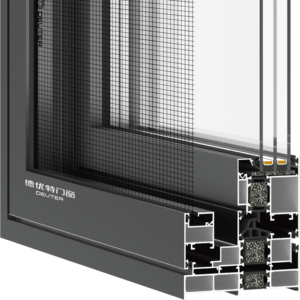
- Impact Sentry Laminated Glass
- Heavy-Duty Outswing Hardware
- Extreme Weather Seal Protection
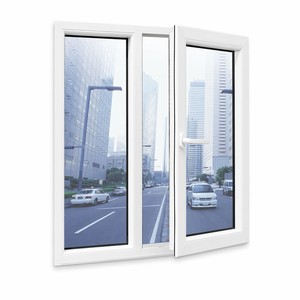
- High-Density Soundproof UPVC Profile
- Fusion-Welded Corner Durability
- Superior Thermal Insulation U-Value
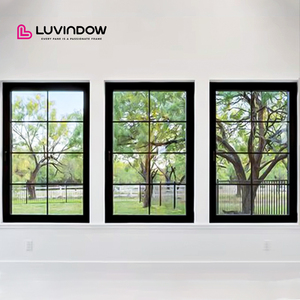
- Narrow Sightline Minimalist Aesthetic
- High-Impact Architectural Alloy
- Multi-Point Security Locking System
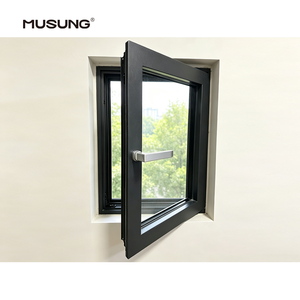
- Polyamide Nylon Thermal Barrier
- Double Tempered Safety Glass
- Weather-Tightly EPDM Gaskets
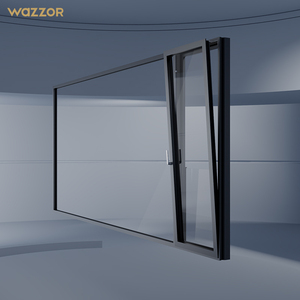
- Heavy Structural Load Tolerance
- Urban Acoustic Isolation (STC 42+)
- Corrosion-Resistant Surface Treatment
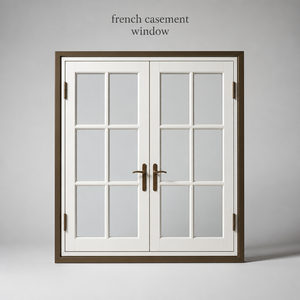
- Decorative Interior Architectural Grills
- Dual Tempered Insulated Glass
- Precision Custom Sizing Options
Comprehensive Industry Whitepaper: B2B Procurement of China Storm Windows in Tokyo
As the Greater Tokyo Area—encompassing Tokyo Metropolis, Kanagawa, Chiba, and Saitama—continues to experience intensive urban regeneration, seismic upgrading, and stringent decarbonization mandates, demand for high-performance architectural envelope solutions has reached an unprecedented peak. Japanese general contractors, real estate developers (Super Zekkei projects, luxury residential complexes in Minato-ku and Shibuya), and commercial facility managers are increasingly turning to top-tier Chinese manufacturing hubs to source custom storm windows, thermal break casement systems, and impact-resistant glazing packages.
Information Gain Key Insight: Sourcing storm windows directly from premier Chinese OEM/ODM factories provides Tokyo developments with a 35%–45% cost efficiency advantage while delivering thermal performance (U-values below 1.1 W/m²K) that matches or exceeds strict Japanese Building Standards Act (建築基準法) requirements and ZEH (Zero Energy House) benchmarks.
1. Technical Engineering Standards: JIS A 4706 Alignment & Structural Calculations
Exporting storm windows to Tokyo demands exact compliance with Japanese Industrial Standards (JIS). Premier Chinese manufacturers specializing in export markets engineer their extruded aluminum and UPVC profiles to fulfill or surpass JIS A 4706 specifications covering four primary operational parameters:
| Performance Category | JIS Standard Grade | Technical Value Range | Application in Tokyo Construction |
|---|---|---|---|
| Wind Pressure Resistance (S-Grade) | S-5 to S-7 Grade | 2800 Pa to 6000 Pa | Essential for coastal high-rises along Tokyo Bay (Odaiba, Shinagawa) subjected to major Pacific typhoons. |
| Air Infiltration (A-Grade) | A-4 Grade (Highest) | Below 2.0 m³/(h·m²) | Eliminates winter cold drafts caused by northern wind currents across the Kanto Plain. |
| Water Tightness (W-Grade) | W-5 Grade | 500 Pa to 1000 Pa pressure head | Prevents water ingress during extreme monsoon rainfall (Guerrilla Rainstorms / 局地的大雨). |
| Acoustic Insulation (T-Grade) | T-3 to T-4 Grade | STC 38 dB to STC 45 dB reduction | Critical for residential units adjacent to Yamanote Line train routes and major expressways (Shuto Expressway). |
2. Thermal Break Innovation & Material Composition
Modern storm windows exported from top Chinese facilities utilize advanced Technoform Polyamide (PA66GF25) thermal break strips within extruded 6063-T6 aluminum profiles. This multi-cavity design prevents thermal bridging between the exterior cold atmosphere and the indoor heated environment. When paired with double or triple insulated glass units (IGUs) incorporating low-emissivity (Low-E) coatings, warm-edge silicone spacers, and 90%+ pure argon gas fills, these systems effectively reduce heating and cooling loads, enabling Tokyo residential and commercial projects to easily obtain Japanese government Energy Efficiency Grants.
Localized Application Scenarios across Tokyo Metropolis
Engineered to resolve specific geographic, climatic, and architectural challenges presented by Greater Tokyo's unique microclimates and urban density.
Tokyo Bay Coastal Typhoon Defense
In coastal districts such as Odaiba, Toyosu, and Yokohama Bay, structures face severe salt-fog corrosion and intense typhoon wind loads. Our marine-grade anodized or fluorocarbon (PVDF) coated aluminum storm windows feature PVB/SGP laminated impact glass, protecting luxury high-rises against airborne wind debris and salt corrosion (C4/C5 durability ratings).
Urban Sound Isolation in High-Density Zones
Dense urban residential developments in Shinjuku, Shibuya, and Ikebukuro require supreme acoustic damping against ambient city noise and railway vibrations. Asymmetrical glass thickness IGUs combined with multi-point perimeter compression seals isolate urban sound frequencies, reducing interior noise levels down to a peaceful 30–35 dB.
Historic & Kominka Retrofits in Taito & Asakusa
Retrofitting traditional wooden structures (Kominka) or mid-century concrete apartments (Mansion) in historical districts like Asakusa and Yanaka requires exact millimeter sizing without disturbing existing structural frames. Custom storm sash inserts and slim-profile aluminum profiles fit inside historical openings while drastically elevating energy efficiency.
Subsidized ZEH (Zero Energy House) Single-Family Builds
Suburban developments in Setagaya, Suginami, and Machida aiming for ZEH certification utilize triple-glazed, argon-filled thermal break casements. These window systems achieve thermal transmittance values (U-value ≤ 1.2 W/m²K) that fulfill the strict regional insulation zone 5 and 6 requirements set by MLIT.
Architectural Trends & Strategic Market Directions in Tokyo (2024–2030)
The Tokyo architectural landscape is undergoing a structural transition driven by legislative changes, environmental targets, and evolving consumer expectations. Understanding these macro trends allows importers and contractors to select the correct product specifications from Chinese suppliers:
Mandatory Solar & Energy Codes (Tokyo Metropolitan Mandate)
Effective 2025, the Tokyo Metropolitan Government mandates solar panel installation and strict energy-efficiency thresholds for major homebuilders. High-performance storm windows featuring integrated Low-E coatings are moving from optional luxury to mandatory specification.
Ultra-Narrow Sightlines & Minimalist Frame Aesthetics
Contemporary Tokyo interior architecture emphasizes maximum natural daylighting ("In-Yo" balance) and seamless visual flow. Modern outswing casements feature concealed hinges, flush sashes, and frame profiles under 50mm, delivering sleek modern visual appeal without compromising structural rigidity.
Seismic Shear-Resilient Frame Floating Tech
In earthquake-prone Kanto plain, structural deflection during seismic events can shatter rigid glass assemblies. Advanced Chinese storm window exporters incorporate elastomeric EPDM structural gasket channels that absorb building rack up to ±25mm without glass breakage.
Manufacturing Excellence & Export Capabilities
Backed by over 50 years of combined manufacturing heritage, robust direct-from-factory production, and streamlined international logistics tailored for Japanese B2B buyers.
Custom Precision to 1/8-Inch & Millimeter Dimensions
Every window unit is cut, welded, glazed, and finished in-house according to field-measured CAD drawings. Non-standard architectural shapes—including arch tops, trapezoids, angle bays, and bow windows—are routinely manufactured on automated CNC cutting centers.
Full In-House Fabrication & Quality Assurance
Unlike trading intermediaries, production operations encompass extrusion anodizing, thermal break stripping, automated double-seal glass assembly, and hardware fitting under one roof. Every batch undergoes rigorous air/water chamber testing before export loading.
Direct Freight to Tokyo Port & Yokohama Terminals
We provide full container load (FCL) and consolidated less-than-container load (LCL) export packaging in heavy-duty wooden crates with waterproof vacuum wrapping, ensuring pristine, scratch-free arrival at Tokyo Port or Yokohama Container Terminal.
Comprehensive Japanese Compliance Documentation
We supply general contractors and importers with full mill test reports, glass tempered safety certificates, thermal simulation reports, and product technical sheets required for local Tokyo building authority approvals.
Frequently Asked Questions for Tokyo Procurement Managers
Addressing common technical, regulatory, and operational inquiries regarding importing storm windows from China to Japan.
Ready to Upgrade Your Tokyo Project Glazing Specs?
Get in touch with our engineering team today for technical CAD drawings, certified lab test reports, wholesale pricing tiers, and customized export quotes to Tokyo or Yokohama.