
High-Performance Architectural Glass & Aluminum Systems
Engineered specifically for equatorial humidity, seismic resilience, and acoustic attenuation across Indonesian commercial & high-end residential developments.
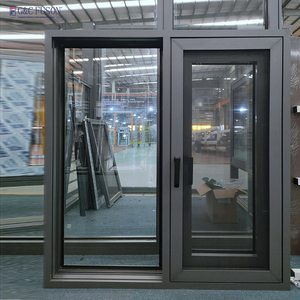 Double/Triple Glazed
Fuson Thermal Break Aluminum Double Glazing French Window
- PA66GF25 Thermal Barrier Strip
- Dual-Pane Low-E Solar Control
- German Hoppe Hardware System
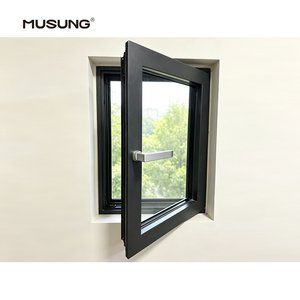 Tropical Windproof
Custom Modern Aluminum Casement Windows Windproof
- Wind Load Rating: Up to 3000 Pa
- EPDM Triple Compression Seals
- Marine Grade Anodized Finish
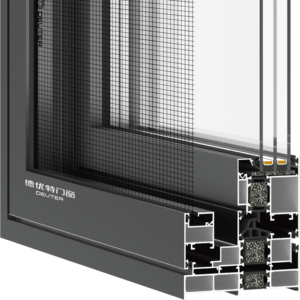 Hurricane Impact
Villa Project Impact Resistant Outswing Aluminum Window
- SentryGlas® Laminated Security Glass
- ASTM E1996 Impact Certified
- U-Value: ≤ 1.4 W/m²K
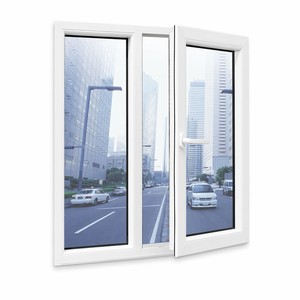 Acoustic Soundproof
UPVC Casement Window European Design White Double Glazed
- Acoustic Insulation: STC 42 dB
- UV-Stabilized Multi-Chamber PVC
- Maintenance-Free Anti-Corrosion
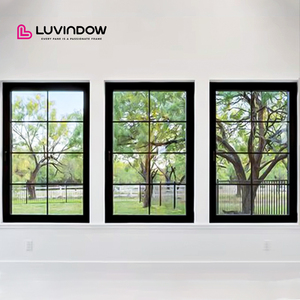 Slim Sightline
Hurricane Proof High Impact Black Aluminum Thin Profile Window
- Minimalist 38mm Sightline Frame
- Structural Silicone Glazing (SSG)
- AkzoNobel Powder Coat Option
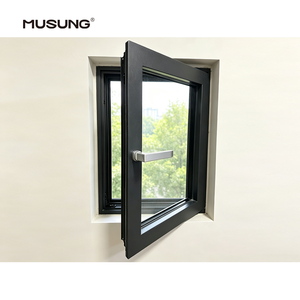 Energy Saver
Modern Thermal Break Aluminum Casement Windows Wholesale
- SHGC rating down to 0.21
- Double Tempered Glass Units
- High-Precision CNC Machined
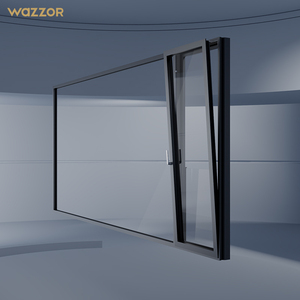 Typhoon Rated
Wazzor Typhoon-Resistant Energy-Saving Soundproof Windows
- Multi-Point Stainless Steel Locks
- Warm-Edge Spacer Insulation
- Custom Size 1/8-inch Precision
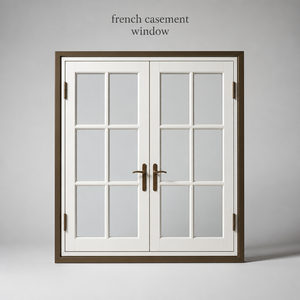 Architectural French
Luxury French Aluminum Casement Window Double Tempered Grill
- Decorative Internal Muntin Bars
- Grade A Safety Tempered Glass
- Verified AS/NZS 2208 Standard
Optimizing Glass Panel Engineering for Indonesia’s Equatorial Microclimates
As Indonesia accelerates its infrastructure transformation—headlined by high-density vertical urbanization in Jabodetabek, luxury resort booms in Bali and Lombok, and the ambitious greenfield capital development of IKN Nusantara in East Kalimantan—architects, facade consultants, and general contractors face an increasingly complex set of building envelope challenges. Selecting architectural glass panel configurations is no longer merely a cosmetic decision; it is a critical thermodynamic and structural engineering requirement dictated by Indonesia's severe tropical environment.
Operating situated directly along the equator, Indonesian structures encounter continuous thermal radiation, high relative humidity (averaging 75% to 90% year-round), intense monsoon rainfall dynamics, atmospheric salt-spray corrosion along extensive coastlines, and elevated seismic vulnerability (Zones 4 to 6). Importing off-the-shelf window assemblies without localized thermodynamic adaptations frequently leads to premature seal failure, glass thermal stress breakage, excessive HVAC power draw, and interior moisture accumulation.
1. Solar Heat Gain Coefficient (SHGC) & Thermal Physics in Tropical Glazing
In equatorial latitudes, solar radiation strikes building envelopes at near-vertical sun angles throughout the year. Conventional clear single or double glazing allows up to 82% of solar infrared radiation to penetrate interior spaces, creating extreme greenhouse heat buildup. This forces commercial chillers and localized air conditioning systems to operate at peak load continuously, inflating long-term lifecycle expenditures.
To counteract solar heat transfer while preserving high Visible Light Transmittance (VLT), our China manufacturing facility utilizes state-of-the-art Off-line Magnetron Sputtering Vacuum Deposition (MSVD) technology to produce double- and triple-silver Low-Emissivity (Low-E) glass panels. By precisely depositing nanometer-thick layer stacks of elemental silver (Ag) and protective metal oxides onto premium float glass substrates, we achieve selectively tuned spectrally selective glazing tailored for Indonesian projects:
- SHGC Reduction Solar Heat Gain Coefficient (SHGC): Reduced from 0.78 (standard clear glass) down to 0.20 – 0.25, blocking up to 80% of direct solar heat energy entering the building envelope.
- Optics Visible Light Transmittance (VLT): Maintained between 50% and 65%, ensuring abundant natural interior daylighting without requiring heavy tinting or artificial lighting compensation.
- U-Value Thermal Insulation U-Value performance: Lowered to 1.1 – 1.4 W/m²K (compared to 5.8 W/m²K for monolithic glass), effectively preventing ambient heat transfer from hot outdoor air to cooled interior environments.
Comparative Technical Performance Matrix for Indonesian Building Envelope Standards
The matrix below outlines the performance delta across standard architectural glass configurations versus our optimized tropical glass panel export specifications:
| Glazing System Configuration | Visible Light (VLT %) | Solar Heat (SHGC) | U-Value (W/m²K) | Acoustic Cut (STC) | Recommended Indonesian Application |
|---|---|---|---|---|---|
| 6mm Clear Monolithic Float | 88% | 0.82 | 5.78 | 28 dB | Internal partitions, non-conditioned spaces |
| 6mm Tinted (Dark Blue/Bronze) | 42% | 0.55 | 5.40 | 30 dB | Low-budget commercial warehouse retrofits |
| 6mm + 12Ar + 6mm Clear Double Glazed | 76% | 0.70 | 2.70 | 35 dB | Standard suburban residential developments |
| 6mm Double Silver Low-E + 12Ar + 6mm Tempered | 62% | 0.23 | 1.35 | 39 dB | High-rise Jakarta towers & IKN Green Buildings |
| 6.38mm PVB Laminated + 12Ar + 6mm Low-E | 55% | 0.21 | 1.28 | 44 dB | Coastal Bali Resorts & Typhoon/Soundproof Zones |
2. Structural Integrity: Wind Pressure Ratings, Seismic Drift & Typhoon Resistance
Indonesia’s geography subjects building facades to dramatic pressure spikes during severe tropical storms and monsoons. In coastal areas such as North Jakarta, Batam, and Makassar, design wind pressures can exceed 2.5 to 3.5 kPa (Kilopascals). Furthermore, structural engineers must account for inter-story seismic displacement during earthquake events along the Ring of Fire.
To eliminate structural deflection and catastrophic glass blowout, our factory integrates structural engineering principles directly into frame and glass fabrication:
SentryGlas® (SGP) Interlayers
For high-rise curtain walls and hurricane-impact coastal glass, we utilize Kuraray SentryGlas® ionoplast interlayers. SGP is 5 times tougher and up to 100 times stiffer than standard PVB film. Even if both glass panes break under extreme debris impact or seismic loading, the SGP panel remains upright and rigid, maintaining weather tightness.
PA66GF25 Thermal Break Profiles
Aluminum frames are extruded using high-tensile 6063-T6 architectural alloy reinforced with 25% glass fiber Polyamide (PA66GF25) thermal insulation strips. This rigid multi-chamber profile prevents thermal bridging while maintaining structural moment of inertia against heavy wind loads.
Tailored Application Scenarios Across Key Indonesian Regions
Providing custom architectural glass solutions engineered to local microclimates and regional construction mandates.
Greater Jakarta (Jabodetabek)
Focus: High-Rise Office Towers & Luxury Apartments
Jakarta’s dense urban corridor suffers from elevated acoustic pollution (traffic noise >75 dB) and intensive solar exposure. Our STC 42+ dB acoustic laminated glass panels with double-silver Low-E coating reduce chiller loads by 35% while creating tranquil indoor working and living environments.
Bali & Lombok Hospitality
Focus: Oceanfront Luxury Resorts & Cliff Villas
Coastal salt mist accelerates hardware corrosion, while tropical storms test wind seals. We supply PVDF 3-coat marine-finish aluminum framing paired with high-clarity extra-clear (low-iron) tempered glass panels, delivering uninterrupted ocean views with zero salt haze degradation.
IKN Nusantara (East Kalimantan)
Focus: Smart Green Government & Residential City
Aligned with the Green Building Council Indonesia (GBCI) Net-Zero targets, our triple-glazed insulating glass units (IGU) feature argon gas filling and warm-edge thermal spacers, meeting strict environmental sustainability benchmarks for government projects.
In-House Precision Glazing & Direct Factory Quality Assurance
Drawing on over 50 years of factory lineage and custom glazing expertise, our production center operates on a strict 100% in-house fabrication model. Unlike standard export vendors who subcontract glass cutting, tempering, or frame assembly to third-party workshops, every glass panel, thermal break profile, and hardware component is cut, processed, sealed, and inspected under one roof.
Automated CNC Cutting & Edging
Precision glass cutting executed to exact tolerances within ±0.5mm, followed by full bilateral pencil-edge diamond grinding to eliminate microscopic edge micro-cracks before thermal tempering.
Convection Tempering Furnace
Advanced forced-convection glass tempering ensures uniform stress distribution across Low-E panes, completely eliminating roller wave distortion and bow/warp anomalies.
Automated Dual-Sealed IGU Lines
Insulating Glass Units are assembled in dust-free cleanrooms, filled with 95%+ Argon gas, and sealed using primary polyisobutylene (PIB) and structural silicone secondary sealant.
Global Certification & Compliance Standards
All architectural glass panel products exported to Indonesia comply fully with international and regional quality standards, ensuring immediate acceptance by local building control authorities and international engineering consultancies:
- AS/NZS 2208:1996 – Safety Glazing Materials in Buildings (Verified Impact Resistance)
- ASTM E1300 – Standard Practice for Determining Load Resistance of Glass in Buildings
- ISO 9001:2015 – Quality Management System Certification for Architectural Glass Processing
- SNI 15-0048 (Standar Nasional Indonesia) – Tempered & Laminated Safety Glass Compliance Ready
- IGCC / SGCC Certified – Insulating Glass & Safety Glazing Certification Council Marks
Optimized Supply Chain Logistics for Indonesian Importers
Direct sea-freight routes, zero-duty trade certificates, and heavy-duty ocean export packaging.
Under the ASEAN-China Free Trade Area (ACFTA) agreement, we issue official Form E Certificates of Origin. This grants Indonesian buyers 0% import duty clearance at Tanjung Priok (Jakarta) and Tanjung Perak (Surabaya) ports.
Glass panels are packed in fumigated solid wooden crates reinforced with steel strapping, vacuum-sealed plastic barrier wraps, and internal shock-absorbing corner pads to withstand equatorial sea transit.
Leveraging direct maritime routes from Ningbo and Shanghai ports, shipping transit times to Jakarta take only 7 to 10 days, ensuring rapid site delivery for strict construction deadlines.
Frequently Asked Questions by Indonesian Developers & Engineers
Clear, direct answers regarding custom manufacturing, import compliance, technical specs, and warranties.
Ready to Engineer Your Glass Facade for Indonesian Projects?
Connect directly with our engineering sales team to receive detailed technical specifications, wind load calculations, and competitive factory-direct pricing for your project.