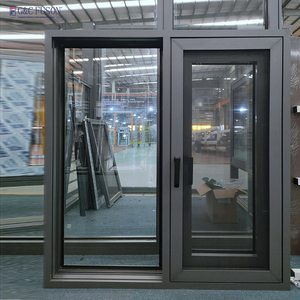
Fuson Thermal Break Aluminum Triple Glazed Casement House Windows
Uw Performance: 0.85 W/m²K
Glazing: Triple Low-E Argon
Profile: PA66 Nylon Thermal Break

Precision-engineered thermal break aluminum and high-durability UPVC window profiles customized to exact Swedish structural and energy performance standards.
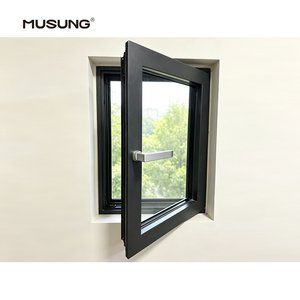
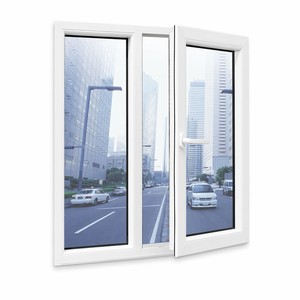
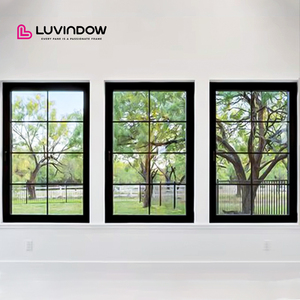
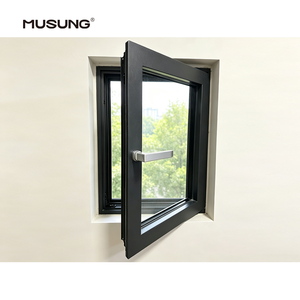
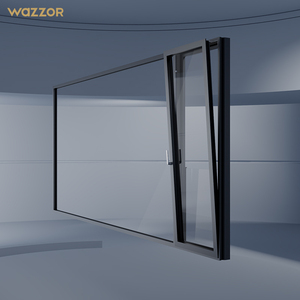
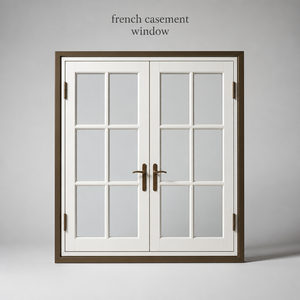
Sweden’s architectural landscape demands a unique balance of structural strength, historic aesthetics, and exceptional thermal efficiency. As Scandinavian building codes (notably Boverket’s Building Regulations - BBR) continue to enforce stringent energy conservation limits, importing architectural elements like bow windows from leading Chinese original equipment manufacturers (OEMs) has become a primary strategy for Swedish property developers, general contractors, and fenestration importers.
A bow window creates a majestic, curved facade element by combining four, five, or six window lites set at subtle angles (typically 10° or 15°). Unlike traditional 90° or 45° box bay windows, bow windows generate a smooth architectural arc that expands interior floor space, maximizes natural daylight harvesting during low-sun winter months, and offers panoramic vistas across Sweden’s coastal archipelagoes and forest landscapes. However, importing bow windows into high-latitude Nordic environments requires deep expertise in moisture barrier engineering, thermal-break profile design, and structural wind-load calculation.
Technical Information Gain Insight: Standard European bow window retrofits often struggle with cold-bridging at the corner mullion joints. Leading Chinese export manufacturers utilize custom multi-chambered polyamide (PA66GF25) structural mullion inserts fused with structural silicone gaskets, guaranteeing that the thermal transfer coefficient (Uw) remains below 0.85 W/m²K across the entire curved structural assembly.
China has evolved into the world’s most technologically advanced hub for architectural aluminum and hybrid window manufacturing. Through massive investments in automated CNC profile cutting, robotic glass IGUs (Insulated Glass Units) assembly lines, and rigorous European CE certification testing, Chinese manufacturers deliver premium custom window systems at competitive cost structures. This strategic manufacturing power enables Swedish buyers to procure bespoke bow windows tailored to precise millimetric field dimensions without paying inflated European small-batch fabrication surcharges.
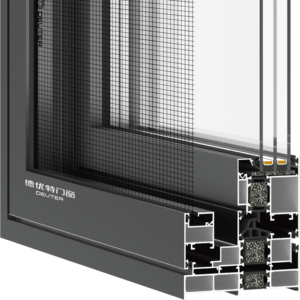
Utilizing high-grade PA66GF25 reinforced nylon thermal barriers integrated within high-tensile extruded 6063-T5 aluminum frames to eliminate thermal bridging in sub-zero winters.
Equipped with dual argon-filled cavities (90% gas fill), warm-edge techno-spacers, and double-pass Low-E metallic coatings yielding Ug values as low as 0.5 W/m²K.
Fully compliant with EN 14351-1 harmonized standards. Rigorously tested for air permeability (EN 12207 Class 4) and water tightness (EN 12208 Class E1050).
Navigating the Swedish fenestration market requires absolute adherence to regulatory standards established by Boverket (The Swedish National Board of Housing, Building and Planning). Modern construction and renovation projects across Stockholm, Gothenburg, Malmö, and northern regions such as Umeå place paramount emphasis on structural durability and operational sustainability.
Under the latest Swedish BBR directives, overall window U-values (Uw) for residential new builds must meet stringent maximum limits, typically demanding total assembly values of 1.0 W/m²K or lower, with passive house standards targetting ≤ 0.8 W/m²K. Achieving these numbers on a multi-lite bow window is complex due to the increased frame surface area relative to glass. Chinese exporters specialized in the Swedish market address this by utilizing wider thermal breaks (up to 34mm), expanded polyurethane insulating foam inserts within profile chambers, and heavy-duty triple glazing units composed of 4mm Toughened Low-E + 16Ar + 4mm Float + 16Ar + 4mm Toughened Low-E glass.
Sweden’s extensive coastline subjects fenestration to severe wind-driven rain and highly corrosive sea-salt aerosol environments. High-end Chinese manufacturers apply specialized Qualicoat-certified powder coatings or Fluorocarbon (PVDF) surface treatments with a film thickness exceeding 60–80 microns. This ensures that exterior aluminum surfaces withstand over 2,000 hours of neutral salt spray testing without pitting or color degradation.
Swedish design principles prioritize ultra-slim frame sightlines to allow maximum solar heat gain (g-value optimization) and daylight admittance during short winter days. Custom bow windows manufactured in China feature hidden sash profiles, flush interior frame-to-sash transitions, and concealed heavy-duty hinges capable of supporting sash weights up to 180 kg.
| Performance Parameter | Standard Commercial Window | Export-Grade Swedish Bow Window | Relevant European Standard |
|---|---|---|---|
| Overall Thermal Transmittance (Uw) | 1.4 – 1.8 W/m²K | 0.75 – 0.95 W/m²K | EN ISO 10077-1 / EN ISO 10077-2 |
| Air Permeability | Class 2 (300 Pa) | Class 4 (600 Pa) | EN 12207 / Swedish BBR |
| Water Tightness | Class 5A (200 Pa) | Class E1050 (1050 Pa) | EN 12208 |
| Wind Load Resistance | Class C3 (1200 Pa) | Class C5 (2000 Pa) | EN 12210 |
| Acoustic Insulation (Rw) | 28 – 32 dB | 40 – 45 dB | EN ISO 717-1 |
| Hardware Corrosion Class | Grade 3 (96 hrs) | Grade 5 (480 hrs Salt Spray) | EN 1670 |
To deliver maximum functional and aesthetic value, China’s top bow window exporters tailor their design engineering to distinct architectural typologies and microclimates found throughout Sweden:
Villas built along the rocky coasts of Bohuslän or the Stockholm Archipelago face sustained high-velocity winds and salt mist. Bow window configurations in these settings utilize heavy-duty outswing casements. Outswing designs are exceptionally practical in Scandinavia: wind pressure pushes the sash tighter against the frame's triple EPDM weatherseals, increasing air tightness as storm intensity grows.
Historic apartment buildings in central Stockholm (e.g., Östermalm and Södermalm) frequently feature classic multi-pane bow configurations. Export manufacturers produce custom-engineered aluminum-clad timber or thermally broken aluminum frames with internal/external Georgian muntin bars (grills) that replicate historic timber aesthetics while delivering modern A-rated energy efficiency.
In southern Sweden’s eco-conscious urban developments, emphasis centers on low-carbon footprints and Passive House standards. Bow windows designed for these installations incorporate bio-based insulation foams inside profile cores, quadruple glazing, and low-e glass tailored to optimize solar heat gain (g-values around 0.50) during winter while preventing summer overheating.
In sub-arctic northern climates, windows experience severe freeze-thaw cycles and heavy thermal stress due to extreme interior-to-exterior temperature gradients (e.g., +21°C indoor vs. -30°C outdoor). China exporters utilize heavy-gauge aluminum profiles integrated with ultra-thick structural polyamide thermal breaks and warm-edge silicone spacers, preventing glass seal failure and frame condensation under extreme frost conditions.
Partnering with elite Chinese window manufacturers provides Swedish buyers with an integrated production ecosystem. Combining over five decades of pioneering engineering background (incorporating factory best-practices such as precision hand-glazing, automated corner fusion welding, and field measuring verification), our facilities bridge the gap between custom craftsmanship and industrial scale.
Every bow unit is cut and welded to exact field dimensions, accommodating non-standard historic openings and complex structural wall curves seamlessly.
From aluminum extrusion alloy verification (6063-T5) to double/triple IGU seal testing and hardware cycle testing (over 20,000 open/close cycles), nothing is outsourced to third-party assemblers.
Heavy-duty export packaging utilizing fully enclosed plywood crates, corner protection guards, and desiccated shrink-wrap ensures zero glass breakage or frame scratching during sea transit to Gothenburg or Stockholm ports.
Key technical, regulatory, and logistical questions answered for Swedish project managers, architectural specifiers, and procurement officers.
Under EU Regulation No 305/2011 (Construction Products Regulation - CPR), windows imported into Sweden must carry valid CE marking accompanied by a Declaration of Performance (DoP). Top Chinese exporters provide comprehensive DoP documentation verifying factory production control (FPC) and independent third-party lab test reports (ITT) for thermal transmittance (EN ISO 10077), air tightness (EN 12207), water resistance (EN 12208), and load-bearing capacity of safety devices.
Compliance is achieved through a multi-layered insulation strategy: 1) Utilizing multi-chamber thermally broken aluminum profiles with 24mm to 34mm PA66GF25 nylon strips; 2) Integrating triple-pane IGUs featuring dual Low-E coatings (e.g., Sunguard or Guardian glass) and 90% Argon gas filling; 3) Utilizing Technoform warm-edge composite spacers instead of aluminum spacers; and 4) Applying continuous EPDM triple seal gaskets around sashes and structural mullion connections.
Standard manufacturing lead time for custom engineered bow windows ranges from 20 to 30 days depending on powder coating color customization and structural engineering complexity. Sea freight transit from major Chinese ports (Ningbo, Shanghai, Shenzhen) to the Port of Gothenburg or Port of Stockholm typically takes 32 to 40 days via direct ocean shipping routes. Total turnaround time from final CAD sign-off to site delivery is approximately 8 to 10 weeks.
Aluminum has a thermal expansion coefficient of approximately 2.3 x 10^-5 /K. For wide multi-lite bow windows exposed to temperature differentials between winter and summer in Sweden (up to 60°C delta), factory engineers incorporate expansion mullions with slip-gaskets and steel-reinforced structural connectors. This allows controlled micro-movement without breaking glass seals or causing frame distortion.
Export-grade window packages carry a standard 10-year factory warranty on aluminum profiles and surface finishes, a 10-year warranty against insulated glass unit seal failure (fogging/condensation), and a 5-year warranty on mechanical hardware (handles, friction hinges, multi-point gearboxes). Spare hardware components and replacement glass units are routinely supplied in extra quantities with bulk container shipments.
Yes. Factory engineering teams work directly with architectural floor plans, providing 2D structural CAD shop drawings, elevation profiles, corner connection details, and 3D BIM (Revit/IFC) models for seamless integration into Swedish architectural workflows prior to sample or bulk manufacturing sign-off.
Connect directly with our engineering and export team for detailed technical consultations, factory-direct wholesale pricing, and custom CAD shop drawings tailored to your project requirements.
Send an Inquiry