
Architectural Doors & Fenestration Portfolio
Certified High-Performance Systems Engineered for Oman’s Harsh Climatic Conditions
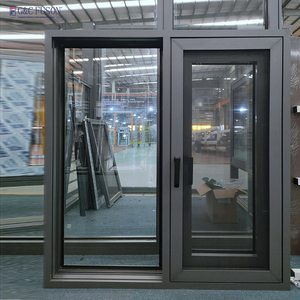
Thermal Break Aluminum Heavy-Duty Entrance & French Door Systems
Contact Us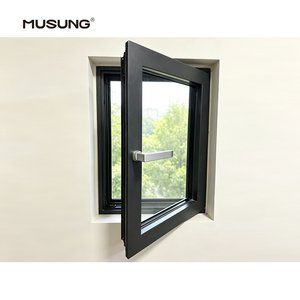
Custom Modern Aluminum Windproof High-Security Entrance Doors
Contact Us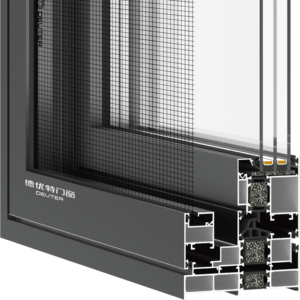
Villa Impact-Resistant Structural Aluminum Main Entry Systems
Contact Us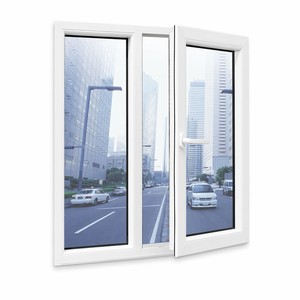
European Architectural UPVC High-Acoustic Glazed Entrance Doors
Contact Us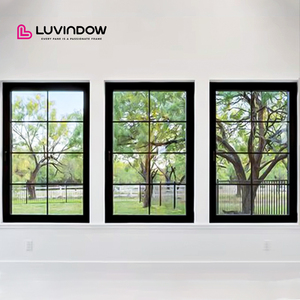
Ultra-Slim Profile High-Impact Architectural Black Aluminum Doors
Contact Us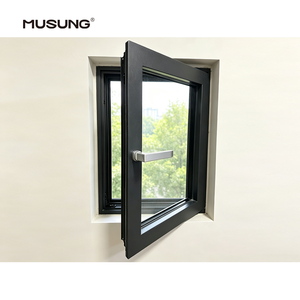
Commercial Grade Thermal Insulation Aluminum Pivot & Hinge Doors
Contact Us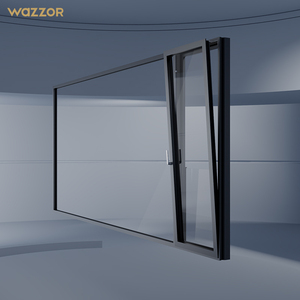
Heavy Structural Typhoon-Resistant Soundproof Glass Entry Systems
Contact Us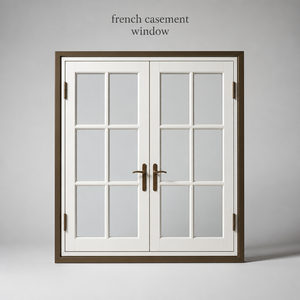
Luxury French Aluminum Entrance Door Systems with Architectural Grills
Contact Us1. The Fenestration Engineering Landscape in Oman: Climate-Driven Demands
The Sultanate of Oman presents one of the most demanding microclimates globally for building envelopes and architectural entryways. Ranging from ambient ambient temperatures exceeding 50°C in interior desert zones such as Nizwa and Sohar to extreme marine humidity and atmospheric salinity along the coastline of Muscat and the seasonal Khareef monsoon humidity in Salalah, entrance door systems are continuously subjected to extreme mechanical and thermal stress.
Specifying high-performance entrance doors in Oman is not merely a matter of spatial aesthetics; it is a critical thermodynamic requirement. Uninsulated aluminium profiles or improperly sealed entryways act as major thermal bridges, permitting rapid conductive heat gain into building interiors. This significantly increases HVAC cooling loads, leading to excessive energy consumption and compromised indoor environmental quality (IEQ).
Information Gain Insight: Standard non-thermal break aluminium profiles can reach surface temperatures exceeding 72°C when exposed to direct solar radiation in Oman. Our engineered Polyamide PA66 GF25 thermal breaks reduce profile thermal conductivity by over 80%, maintaining interior surface temperatures near ambient indoor air levels.
Furthermore, atmospheric sand abrasion during shamal dust storms requires specialized surface finishes (Qualicoat Class 2 and Class 3 fluoropolymer coatings) to prevent micro-pitting, color degradation, and structural oxidation. As Oman advances its Vision 2040 urban transformation and strictly enforces sustainable building codes aligned with Estidama and LEED criteria, selecting the correct entrance door manufacturer becomes a high-priority operational decision for developers, MEP consultants, and main contractors.
2. Material Science & Structural Performance: Thermal Break vs. UPVC Systems
When procuring entrance doors for high-end residential, commercial, or institutional developments across Oman, architects face a primary technical choice: extruded architectural aluminium alloy (6063-T6) with integrated thermal barriers versus high-grade Unplasticized Polyvinyl Chloride (UPVC).
| Performance Parameter | Thermal Break Aluminum (6063-T6) | Structural UPVC Systems | Standard Non-Thermal Aluminum |
|---|---|---|---|
| Thermal Transmittance (U-Value) | 1.1 – 1.4 W/m²K (Ultra Efficient) | 1.2 – 1.5 W/m²K (High Insulation) | > 3.8 W/m²K (Poor Thermal Barrier) |
| Solar Heat Gain Coefficient (SHGC) | 0.18 – 0.22 (Spectrally Selective) | 0.20 – 0.25 (Good Reflection) | > 0.55 (High Heat Absorption) |
| Acoustic Insulation (STC Rating) | 42 – 48 dB (Triple Sealing) | 38 – 44 dB (Multi-Chamber) | 28 – 32 dB (Basic Sealing) |
| Wind Pressure Resistance | Up to 3500 Pa (High Structural Strength) | Up to 2400 Pa (Steel Reinforced) | Up to 1800 Pa (Standard) |
| Saline & UV Resistance | Qualicoat Class 3 / PVDF (Superior) | Titanium Dioxide Stabilized (Good) | Standard Anodized (Corrosion Risk) |
Technical Anatomy of Thermal Break Aluminium Entrance Doors
Our engineered thermal break entrance doors utilize a double-extrusion profile mechanically joined by a 24mm to 34mm structural Polyamide (PA66 GF25 - 25% glass fiber reinforced) thermal barrier. This thermal disconnect prevents kinetic heat transfer through conduction. Accompanied by continuous EPDM (Ethylene Propylene Diene Monomer) gasket sweeps and multi-point perimeter locking systems, air infiltration rates are compressed to below 0.06 cfm/ft², effectively sealing out airborne desert dust and humid coastal fog.
3. Specialized Local Application Scenarios Across Oman
Luxury Waterfront Villas (Muscat / Al Mouj)
High exposure to airborne salt particles and coastal humidity. Requires 6063-T6 marine-grade aluminium, PVDF fluoropolymer finishes, and laminated anti-burglary impact glass with Low-E spectrally selective coatings.
Commercial High-Rises & Towers (Ruwi / Seeb)
Heavy pedestrian foot traffic and rigorous wind-load resistance requirements at elevated levels. Heavy-duty concealed pivot doors featuring automatic drop-down bottom seals and integrated access control.
Inland Desert Establishments (Nizwa / Sohar)
Extreme diurnal temperature variations ranging from 15°C at night to 50°C during the day. High coefficient of thermal expansion managed by deep-set EPDM gaskets and reinforced corner cleats.
Coastal Salinity Mitigation in Muscat and Salalah
Atmospheric chloride deposition along the Gulf of Oman coastline degrades standard mill-finished or budget powder-coated entrance doors within 18 to 24 months. Our manufacturing plants implement an advanced 7-stage pre-treatment process incorporating zirconium conversion coatings followed by Qualicoat Class 2 or Class 3 thermosetting powder application. This ensures salt spray resistance exceeding 3,000 hours in accordance with ASTM B117 standards, preserving color integrity and corrosion protection for decades.
4. Strategic Architectural Fenestration Trends in Oman
The Omani architectural sector is witnessing a major shift driven by modern minimalist aesthetics, smart home automation, and stringent sustainability imperatives:
1. Seamless Pivot & Minimalist Slim-Profile Entries: Architects are replacing traditional double-leaf hinged doors with oversized structural pivot entrance systems measuring up to 3 meters in width and 4 meters in height. These systems utilize heavy-duty hydraulic floor pivots rated for panel weights up to 500 kg, offering effortless operation despite massive structural mass.
2. Smart Access & IoT Lock Integration: Procurement requirements increasingly specify fully integrated biometric, RFID, and smartphone-controlled multi-point motorized locks. Wiring channels are precision-milled within the thermal profile during factory fabrication to ensure secure, hidden installation.
3. Spectrally Selective Solar Control Glazing: Double and triple-glazed entrance panels incorporate double-silver Low-E coatings that reflect up to 82% of infrared radiation while transmitting clear visible daylight ($VLT > 60\%$). This minimizes reliance on artificial interior lighting while rejecting ambient solar heat.
Direct Factory Manufacturing Heritage & Enterprise Capabilities
Operating from our state-of-the-art manufacturing facilities with over 50 years of fabrication excellence, we operate as a direct B2B supply partner for grand-scale developments, commercial contractors, and luxury residential projects across the Sultanate of Oman. Every door and window assembly is precision-cut, fusion-welded, glazed, and quality-tested in-house to guarantee flawless structural alignment.
Contact Our Engineering Team5. Common Procurement & Technical FAQs for Oman Buyers
Request Engineering Specs or a Customized B2B Quote
Consult with our fenestration specialists for CAD details, thermal performance calculations, or competitive factory-direct pricing for your Oman project.
Contact Us