
Engineered specifically for South Korean residential apartments, commercial officetels, and coastal developments. Fully customizable frames, high-durability mesh options, and seamless system window integration.
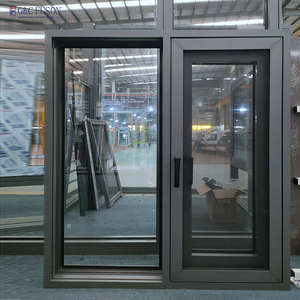
Heavy-duty thermal isolation frame fitted with integrated swing/casement screen units. Superior airtightness and insulation for Korean severe winter climates.
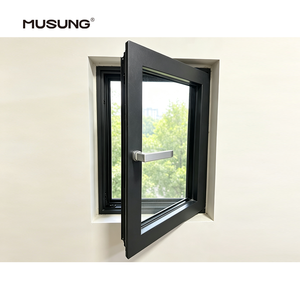
Precision-engineered sliding screen assemblies featuring reinforced track guide wheels and double-pile weatherstripping to prevent typhoon blow-out.
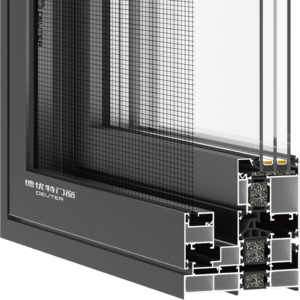
Built with 0.8mm thick SUS304 woven wire mesh. Acts as both a ventilation screen and a high-strength security barrier against forced entry and fall prevention.
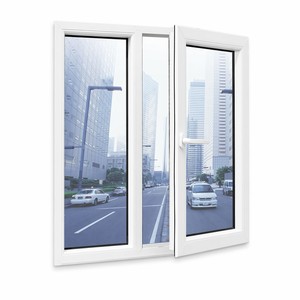
Seamless multi-chamber UPVC profiles paired with retractable vertical/horizontal pleated insect screens. Engineered for maximum noise attenuation and weatherproofing.
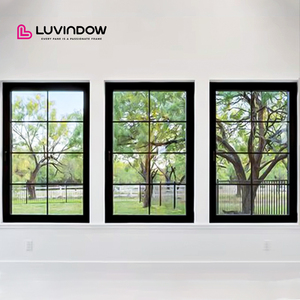
Slim sightline aluminum profiles designed for contemporary Korean interior architecture. Provides unobstructed outdoor views while delivering robust insect protection.
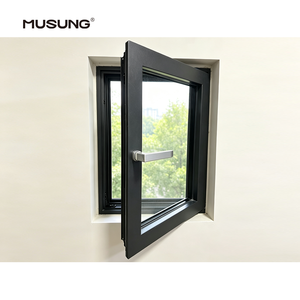
Heavy-duty commercial sliding screen frame optimized for massive glass openings in Korean high-rise penthouses, villas, and resort developments.
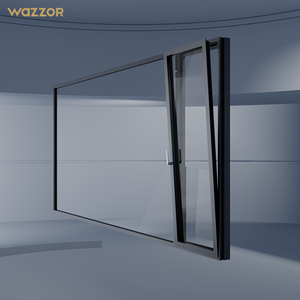
Structural-grade aluminum screening system built to withstand severe coastal typhoons in southern Korea (Busan, Jeju). Interlocking corner keys guarantee frame rigidity.
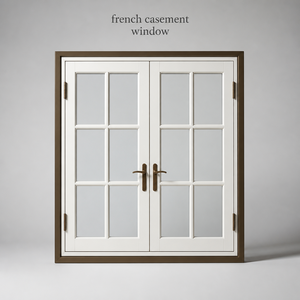
Combining aesthetic classic design with high-functionality mosquito and fine dust filtration. Tailor-made for luxury country estates and modernized Hanok projects.
The South Korean construction and remodeling sector operates under some of the most stringent engineering and environmental requirements in East Asia. Driven by dense urban residential developments—where over 60% of the population resides in high-rise apartment complexes (아파트) and commercial-residential officetels (오피스텔)—the demand for high-performance door screen systems has evolved far beyond basic insect blocking.
A primary factor defining the Korean market is the unique geographic climate. South Korea experiences severe seasonal swings: harsh sub-zero Siberian winter winds, heavy summer East Asian monsoon rainfalls (Jangma), and seasonal high-intensity typhoons hitting southern regions like Busan and Jeju Island. Furthermore, environmental challenges such as spring Yellow Dust (Hwang-sa) and fine airborne particulates (Mise-monji) require specialized screening solutions that integrate micro-mesh filtration without sacrificing essential natural indoor ventilation.
To serve Korean importers and OEM partners effectively, screen manufacturers must comply with key local regulatory paradigms, such as Korean Standard (KS) specifications for window and door sets (KS F 3117) and airtightness/thermal insulation criteria set by the Ministry of Environment (MOE). Our factory specializes in delivering fully customized aluminum and UPVC door screen frames, high-tensile stainless steel safety screens, and high-density anti-dust mesh specifically designed to fit major Korean profile systems (including System L/S sliding doors and Tilt & Turn windows).
Our door screen solutions are engineered to directly address the spatial, functional, and structural requirements of diverse South Korean building typologies:
In high-density apartment blocks (Seoul, Incheon, Gyeonggi-do), wide balcony sliding doors require heavy-duty aluminum track screens. Equipped with anti-sag tandem rollers and high-tensile mesh to withstand severe wind updrafts at 20+ stories.
Projects along Busan (Haeundae), Gangneung, and Jeju require C5-M high-corrosion resistant anodized frames and 316 marine-grade stainless steel screens that resist salt fog spray and severe typhoon wind loads.
Compact studio officetels require space-saving solutions. Our retractable hidden pleated screens and ultra-thin profile sliding screens integrate seamlessly into narrow interior door jams without encroaching on living space.
Luxury single-family homes in Yangpyeong and Gapyeong prioritize nature integration. Heavy-duty magnetic French door screens and large-span accordion screens allow unobstructed forest/mountain views while blocking forest insects.
Traditional Korean Hanok wooden structures require custom-finished screens that match natural timber aesthetics while meeting modern air-sealing and anti-pest standards.
Hospitals, schools, and food processing plants across Korea utilize heavy-duty auto-closing screen doors and anti-bacterial electro-coated stainless mesh compliant with strict public hygiene standards.
Understanding emerging technology trends in South Korea is essential for window distributors, importers, and hardware brand managers aiming to capture market share. Key industry directions include:
With increasing Korean municipal safety regulations regarding child safety in high-rise residential units, standard fiberglass mesh is rapidly being replaced by 0.6mm to 0.8mm SUS304 high-tensile woven wire mesh. These screens support over 500kg of static impact weight, eliminating the need for unsightly exterior steel security bars.
Public awareness surrounding air quality has driven demand for 30x30 mesh count weave density (over 1500 micro-holes per square inch). Engineered using electrostatic nanotechnology, these specialized screens block up to 85% of fine particulate matter (PM10 and PM2.5) while maintaining essential airflow efficiency.
Architectural minimalism is dominant in modern Korean interior design. Pleated accordion screens that fold neatly into modern aluminum slim frames (18mm to 25mm thickness) when not in use have seen a 40% year-over-year surge in demand for patio folding doors and system casements.
As Korean home automation (Smart Wall-Pad system) becomes standard, commercial projects are adopting motorized Zip-track door screens controllable via IoT mobile applications or wind sensors that auto-retract during typhoon warnings.
As an established door and window manufacturer with roots dating back to 1973, our production facility operates on a core direct-fabrication philosophy. We do not simply assemble off-the-shelf components; we cut, weld, extrude, glaze, and quality-test every single door screen assembly in-house under strict quality management protocols.
For Korean B2B partners, dealing directly with our specialized export manufacturing facility guarantees distinct technical and commercial advantages: