
Engineered for structural integrity, cyclonic wind loads, thermal break insulation, and coastal corrosion resistance. Shipped directly from certified manufacturing facilities to Sydney job sites.
A comprehensive technical analysis for developers, principal contractors, facade consultants, and quantity surveyors operating in the New South Wales commercial property sector.
The Greater Sydney construction landscape—spanning high-density urban infills in Parramatta, luxury waterfront residential towers along the Eastern Suburbs, and light commercial business parks in Western Sydney—demands unyielding structural integrity and energy efficiency. As Australia's National Construction Code (NCC 2022) elevates thermal rating mandates via NatHERS and BASIX framework requirements, Sydney developers increasingly face escalating procurement budgets for commercial-grade fenestration systems.
Sourcing directly from Tier-1 China wholesale light commercial aluminum window manufacturers provides a powerful solution to these inflationary pressures. By bypassing local intermediary margins without compromising technical compliance, Australian builders can achieve high-performance thermal break technology, superior acoustic attenuation (Rw ratings exceeding 42dB for corridor and traffic corridors), and customized architectural aesthetics at substantial scale economies.
However, successful procurement requires deep technical alignment between Chinese extrusion plants and Australian engineering standards. This technical white paper outlines the essential compliance benchmarks, structural engineering principles, local Sydney application scenarios, and quality assurance protocols mandatory for seamless import, approval, and installation.
Every commercial window frame and glazed panel supplied to the Sydney market must strictly satisfy NATA-accredited physical laboratory testing protocols to guarantee structural safety and longevity.
Specifies mandatory structural deflection (Serviceability Limit State), ultimate strength, air infiltration, and water penetration resistance. Windows undergo rigorous physical chamber testing to withstand Sydney storm conditions (450Pa to 600Pa water head pressure).
Governs selection and installation of safety glazing. Our commercial profiles feature certified Grade-A toughened or heat-strengthened laminated glass, compliant with human impact resistance, wind load engineering, and human safety protocols across NSW.
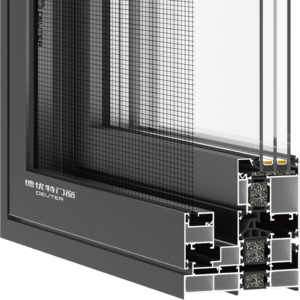
Incorporating Polyamide (PA66) thermal break barriers reduces thermal bridging. Dual and triple-glazed Low-E argon-filled units lower total Solar Heat Gain Coefficient (SHGC) and U-Values, ensuring full alignment with strict NSW energy efficiency targets.
For projects situated in Sydney's urban-bushland interface (such as Northern Beaches, Hills District, and Blue Mountains fringes), systems can be fitted with metal mesh screens, thick toughened glass, and fire-rated EPDM seals supporting up to BAL-40 fire attack levels.
Sydney coastal exposure demands robust powder coatings. We utilize Qualicoat Class 2 and AAMA 2605 fluoropolymer (PVDF) surface treatments, preventing pitting corrosion, chalking, and salt-spray degradation within 1km of ocean fronts.
High-density Sydney developments along arterial roadways or flight paths benefit from asymmetric laminated glass configurations, achieving high acoustic insulation (Rw 38 - Rw 45) to minimize ambient environmental noise.
| Performance Standard | Australian Code Standard | Factory Technical Specification | Project Application in Sydney |
|---|---|---|---|
| Structural Wind Pressure | AS 2047 (N3 to N6 / C1 to C4) | 1500 Pa to 3000 Pa Ultimate Limit State (ULS) | High-rise commercial facades & exposed coastal developments |
| Water Penetration | AS 2047 Clause 4.4 | 300 Pa - 600 Pa Static & Dynamic Water Resistance | Severe east-coast low weather patterns & driven rain zones |
| Thermal Transmittance (U-Value) | NCC Section J / BASIX | System U-Value: 1.2 – 1.8 W/m²K (Low-E Double Glazed) | Zero-Net Carbon modern residential & commercial developments |
| Solar Heat Gain (SHGC) | NatHERS / BASIX Alignment | Configurable SHGC: 0.24 to 0.52 via Spectrally Selective Glass | Western Sydney sun-exposed elevations (Parramatta, Penrith) |
| Surface Finish Standard | AS 3715 / AAMA 2605 | 70% PVDF Fluoropolymer / Qualicoat Class 2 Architectural Powder | Oceanfront developments (Bondi, Manly, Cronulla coastal strips) |
From high-density residential towers to light commercial precincts, modern Chinese manufacturing offers engineered versatility tailored to unique local urban topographies.
Engineering Challenge: High wind-load pressures at height, stringent acoustic isolation between units, and strict fire rating code mandates.
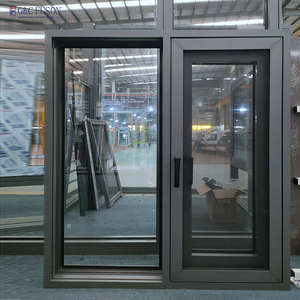
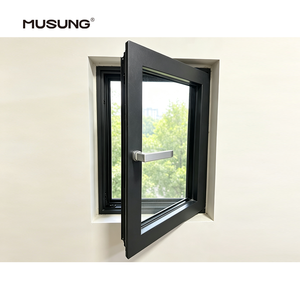
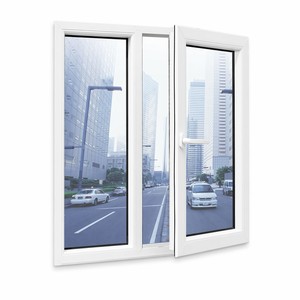
Factory Solution: Heavy-duty thermal break casement windows with multi-point stainless steel locking hardware, integrated trickle vents, and thick asymmetric double-laminated glazing units providing high acoustic dampening (Rw 42) and AS2047 structural rating.
Engineering Challenge: Severe marine salt air corrosion, driven ocean rain, and architectural requests for maximum glass sightlines.
Factory Solution: Ultra-slim profile commercial aluminum frames finished with AAMA 2605 coastal-grade powder coating, marine-grade 316 stainless steel hardware, friction hinges, and dynamic water seals engineered to withstand 600Pa static head pressures.
Engineering Challenge: Cost-effective scalable production schedules, high solar heat gain during Western Sydney summers, and rapid on-site installation.
Factory Solution: Light commercial thermal break casement and sliding systems pre-fitted with factory sub-frames, reveal fin options, integrated flyscreens, and high SHGC Low-E double glazing to achieve optimal BASIX compliance at bulk wholesale prices.
Engineering Challenge: Large vision panels, structural transom stiffness, durable high-traffic operation, and architectural brand aesthetics.
Factory Solution: Heavy-wall 6063-T6 aluminum extrusion profiles (2.0mm+ wall thickness), structural silicone glazing capability, automated actuator motorization options, and seamless integration with commercial storefront systems.
Stay ahead of architectural specifications and regulatory shifts shaping the Sydney building sector.
Standard non-thermal aluminum frames are rapidly being phased out across NSW commercial specifications due to stricter NCC 2022 thermal performance rules. Polyamide (PA66) structural thermal breaks, which separate inner and outer aluminum profiles, reduce thermal energy transfer by up to 60%, making them standard across tier-1 Sydney projects.
Modern Sydney architecture prioritizes natural light maximization and uninhibited sightlines. Our advanced factory extrusion tooling enables ultra-narrow frame profiles with concealed hinges, flush sashes, and hidden drainage paths without sacrificing structural wind resistance ratings under AS2047.
While double glazing remains dominant, triple-glazed insulated units (IGUs) incorporating dual Low-E coatings and dual argon gas chambers are gaining traction in premium Sydney commercial offices and luxury residences seeking passive house energy standards and extreme acoustic attenuation.
To meet Australian lifestyle preferences for insect protection and security, factory integration of high-tensile 304/316 stainless steel security mesh directly into the window frame assembly avoids clunky secondary add-on screens, creating clean, cohesive architectural facades.
By integrating decades of precision manufacturing with strict Australian code alignment, we bridge the gap between world-class engineering and project cost optimization.
Clear, direct answers regarding certifications, customs clearance, minimum order quantities, and technical compliance for importing aluminum windows into New South Wales.
Our commercial window series undergo rigorous physical testing in NATA-accredited (National Association of Testing Authorities) laboratories or recognized international equivalent facilities under AS2047 test protocols. Tests verify structural deflection (SLS/ULS), air infiltration, and water penetration resistance up to 600Pa. Every shipment includes comprehensive test certificates, glass AS1288 compliance documentation, and quality control audit logs for your private certifier or Sydney council approval.
Under ChAFTA, eligible commercial aluminum windows and doors manufactured in China enter Australia under preferential duty rates (typically 0% import customs tariff, down from standard rate), provided a valid Certificate of Origin (COO) is submitted during Australian Customs entry. Importers are only subject to standard Goods and Services Tax (GST), which can be claimed back via BAS for registered businesses.
Typical factory production cycles range between 25 to 35 days depending on profile finish (powder coat vs PVDF) and volume complexity. Ocean transit from major Chinese ports (Guangzhou, Shenzhen, Ningbo, Shanghai) to Port Botany, Sydney takes approximately 12 to 18 days. We recommend budgeting a total lead time of 6 to 8 weeks from final shop drawing sign-off to site delivery.
All units are packed using heavy-duty export-grade protocols: frames are wrapped in protective PE film, corners are shielded with reinforced foam caps, and complete units are secured inside fully enclosed metal or fumigated plywood crates. Airbags and heavy-duty polyester strapping prevent movement inside sea containers, guaranteeing zero glass breakage or frame scratching upon arrival in Sydney.
Yes. We specifically engineer aluminum extrusion profiles with integrated reveal fins (for timber stud installation), sub-head, sub-sill, and sub-jamb drainage channels standard in Australian commercial masonry and cavity brick construction. This ensures rapid, weather-tight installation by local Sydney window installers.
We supply a complete suite of AS1288-certified Grade-A safety glass options, including clear tempered, tinted, reflective, clear/grey laminated, and double/triple Insulated Glass Units (IGUs). Advanced glass combinations utilize double Low-E coatings with 90%+ Argon gas fill, achieving custom U-Values as low as 1.2 W/m²K and tailored SHGC profiles to meet specific NatHERS/BASIX energy commitments.
Absolutely. We regularly fabricate 1:1 scale corner samples or full-size prototype windows for architectural approval, acoustic laboratory testing, and client sign-off prior to mass production. Air-freight sample delivery to Sydney can be arranged within 10 to 14 business days.
We provide both premium tier-1 Chinese hardware (such as Kin Long, Hopo) and top-tier European multi-point locking mechanisms (such as Siegenia, Coto, Roto). All friction stays, handles, and locking pins are constructed from 304/316 stainless steel to withstand Sydney's corrosive coastal atmosphere.
Send us your architectural window schedules, CAD elevation drawings, or project specifications. Our structural engineers will return a complete line-item quotation and technical compliance dossier within 24 hours.