Curated High-Performance Window Systems
Discover our comprehensive collection of thermal break steel and architectural aluminum casement, tilt-and-turn, and fixed glazing solutions engineered for Seoul's residential and commercial projects.
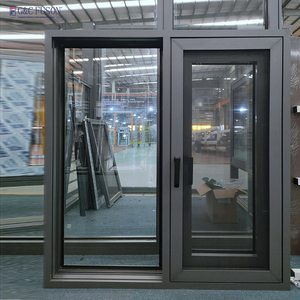
Fuson Thermal Break Triple-Glazed French Window System
Ultra-low U-value thermal break frame engineered with triple glazing for maximum resistance against severe Seoul winter frost.
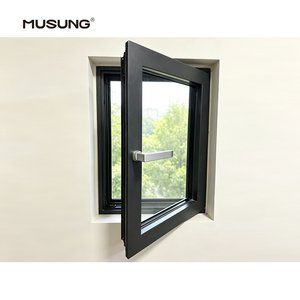
Custom Modern Windproof Casement Residential Windows
Heavy-duty structural integrity built for high-rise residential complexes with multi-point locking systems and energy-saving glass.
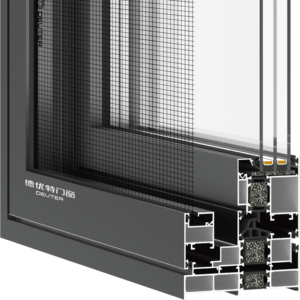
Impact-Resistant Outswing Structural Security Window
Designed with high-density hurricane and typhoon wind pressure resistance, ideal for Han River waterfront architectural developments.
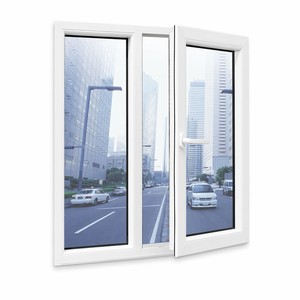
European Minimalist Soundproof High-Acoustic Window
Precision multi-chamber seal structure providing acoustic insulation up to 42 dB in dense urban areas like Gangnam and Mapo.
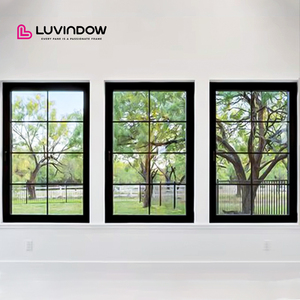
Ultra-Thin Profile Matte Black Architectural Steel-Look Window
Narrow sightline profile favored by modern Korean interior architects for commercial cafes, Seongsu retrofits, and art galleries.
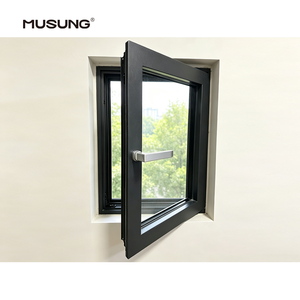
Thermal Break High-Efficiency Double-Glazed System
Polyamide thermal barrier strip integration ensuring zero cold bridge transmission to meet strict KS F 2278 energy regulations.
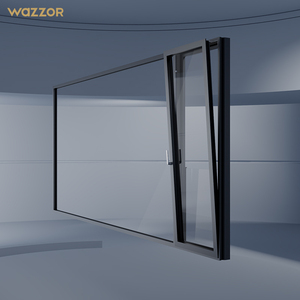
Typhoon-Resistant Structural Soundproof Casement Window
Heavy gauge steel and aluminum composite reinforcement capable of resisting seasonal monsoon squalls and extreme wind pressure.
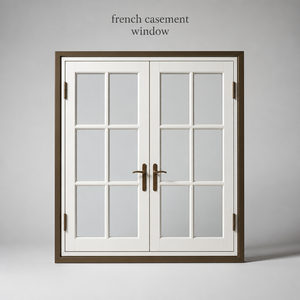
Luxury French Casement Window with Architectural Grill
Bespoke decorative mullions combined with double tempered safety glass, ideal for luxury villas in Hannam-dong and Pyeongchang-dong.
1. Whitepaper Overview: High-Performance Steel Windows in Seoul’s Built Environment
The Seoul Metropolitan Area represents one of Asia’s most demanding architectural landscapes. Characterized by high urban density, strict municipal energy codes, dramatic seasonal temperature swings (ranging from -15°C during Siberian winter gusts to +35°C during humid summer monsoons), and high acoustic pressure, building envelope specifications leave no room for compromise. As South Korea accelerates its transition toward Net-Zero Buildings under the revised Green Building Construction Support Act, local developers, general contractors, and facade engineers in Seoul are increasingly turning to top-tier Chinese steel window manufacturers to deliver world-class fenestration systems.
Historically, traditional steel windows were criticized for poor thermal performance despite their unmatched structural strength and slender aesthetic profiles. However, the modern generation of Thermal Break Cold-Rolled Steel Profile Windows manufactured in China’s advanced precision fabrication hubs has completely redefined this product category. By incorporating high-density PA66 nylon thermal barriers, multi-chambered air seals, and high-performance Low-E triple glazing, leading Chinese suppliers now offer steel windows that surpass South Korea's strict KS F 2278 insulation standards while retaining the ultra-narrow sightlines that top Korean architects demand.
Information Gain Insight: Sourcing direct from vetted Chinese manufacturing plants allows Korean EPC firms and developers to reduce Fenestration Package Capital Expenditure (CapEx) by 35% to 50% compared to Western European brands, without sacrificing structural load capacities or thermal transmittance coefficients.
Architectural Compatibility with Modern Korean Design Trends
Modern South Korean architectural aesthetics favor sleek minimalism, vast open glass facades, and authentic industrial metal textures. Whether specified for high-end residential luxury villas in Hannam-dong, high-tech corporate headquarters in Pangyo Techno Valley, or heritage adaptive reuse coffee shops in Seongsu-dong, thermal break steel windows provide sightlines up to 50% slimmer than standard UPVC or conventional thick aluminum profiles. This structural slenderness maximizes daylight penetration and visual connectivity while maintaining the high wind-pressure resistance required along the Han River corridor.
2. Engineering Performance Matrix: Steel vs. Aluminum vs. UPVC
When selecting window systems for commercial developments or high-value residential projects across Seoul, structural engineering data guides specification decisions. Below is a comparative performance matrix based on laboratory testing under ISO 10077 and South Korean KS testing frameworks:
| Performance Metrics | Cold-Rolled Thermal Steel | Thermal Break Aluminum | High-Density UPVC Frame |
|---|---|---|---|
| Structural Tensile Strength | 400 – 550 MPa (Highest) | 160 – 220 MPa (Moderate) | 40 – 60 MPa (Low) |
| Visible Frame Sightline | 25 mm – 45 mm (Ultra-Slim) | 55 mm – 90 mm (Standard) | 80 mm – 120 mm (Bulky) |
| Thermal Transmittance (U-Factor) | 0.8 – 1.2 W/m²K | 1.1 – 1.5 W/m²K | 1.2 – 1.6 W/m²K |
| Wind Pressure Capacity | Up to 5,500 Pa (Typhoon Grade) | 3,000 – 4,000 Pa | 1,800 – 2,500 Pa |
| Acoustic Insulation (STC/Rw) | 42 – 48 dB Sound Block | 35 – 40 dB | 32 – 36 dB |
| Fire Rating / Incombustibility | Class A Non-Combustible | Melts at High Temp | Combustible / Toxic Fumes |
As demonstrated in the matrix above, precision cold-rolled thermal steel frames offer three times the structural strength of aluminum, enabling massive floor-to-ceiling glass expanses without bulky intermediate reinforcement bars. This is a crucial design requirement for multi-story penthouse projects in Gangnam and Songpa-gu.
3. Localized Application Scenarios Across Seoul's Key Urban Districts
China's top steel window suppliers engineer product lines customized specifically for Seoul's distinct micro-geographies and architectural topologies:
Gangnam & Hannam Luxury Residential Villas
In high-end districts like Hannam-dong, UN Village, and Pyeongchang-dong, homeowners prioritize ultra-quiet interiors and uncompromising physical security. Custom steel casement windows with triple-pane laminated acoustic glass filter out city traffic noise down to 30 dB while offering anti-burglary structural frame resilience.
Seongsu-dong Industrial Adaptive Reuse & Commercial Cafes
Known as Seoul's Brooklyn, Seongsu-dong thrives on transforming former shoe factories into chic fashion pop-ups and roasteries. Matte black thermal break steel windows with custom internal muntin grills preserve historical industrial heritage while preventing heat loss during winter operations.
Han River High-Rise Commercial Retrofits
Commercial towers positioned along the Han River face severe wind load pressures during summer typhoon events. Reinforced heavy-gauge steel outswing and fixed windows engineered in China withstand extreme pressure up to 5500 Pa without frame deflection or water ingress.
Modern Hanok Hybrid Heritage Integration
Contemporary Korean architects designing modern Hanok wood-and-stone residences in Bukchon require fenestration that integrates seamlessly into timber framing. Custom dark bronze finished steel profiles provide structural glass support while respecting traditional aesthetic proportions.
4. South Korea Market Trends & Regulatory Compliance Pathways
To successfully supply window systems into the Seoul market, manufacturers must navigate strict local regulatory frameworks and keep pace with evolving consumer preferences. Key market drivers include:
1. Mandatory Zero Energy Building (ZEB) Certification
Starting in 2024, South Korea extended mandatory ZEB requirements to private residential buildings with over 30 units. Windows are a primary vector for thermal gain and loss. Chinese suppliers catering to Seoul provide advanced thermal break profiles filled with polyurethane foam, warm-edge spacers, and double-pass Argon gas injection to achieve zero-energy compliance effortlessly.
2. KS Certification & Testing Protocols (KS F 2278 / KS F 2292)
Before installation on any tier-1 general contractor site (such as Hyundai E&C, GS E&C, or Samsung C&T), window mockups must undergo stringent air permeability, water tightness, and thermal resistance testing. Premier Chinese manufacturers maintain in-house CNAS-accredited testing labs and partner with international certification bodies to deliver fully pre-tested products ready for local Korean laboratory validation.
3. Urban Noise Abatement Policies
With Seoul’s densely packed urban expressways (such as the Olympic Boulevard and Gangbyeon Expressway), soundproofing is a mandatory luxury. Dual-seal EPDM weatherstripping coupled with asymmetric laminated glass units (e.g., 6mm + 1.52PVB + 6mm outer pane with a 16mm argon gap and 8mm inner pane) effectively dampens low-frequency traffic rumble.
5. Enterprise Advantage: Why Partner with China's Premier Steel Window Manufacturer
As a leading Chinese manufacturer specializing in export-grade architectural steel and high-end thermal break aluminum systems, our factory combines decades of metallurgical experience with modern automated European fabrication technology. Here is how we ensure seamless procurement for Seoul developers:
Swiss & German Precision Engineering
Our production facilities utilize automated Swiss fiber laser cutting machines, German 5-axis CNC machining centers, and robotic laser seam welding systems. This guarantees frame assembly tolerances within ±0.5mm, ensuring airtight sash closing and smooth hardware operation for decades.
Factory-Direct OEM/ODM Customization
We do not hold stock of generic standard sizes. Every unit is custom-engineered to match the exact structural drawings and field measure dimensions provided by Korean project teams. Arch tops, trapezoids, pivot windows, and curved corner glazing assemblies are manufactured routinely.
Advanced Surface Coating Technology
To resist coastal salt air degradation near Incheon Port and harsh winter de-icing chemical exposure in Seoul, our steel frames undergo zinc phosphating, electro-coating primer application, and high-durability AkzoNobel fluorocarbon (PVDF) powder coating, backed by a 20-year finish warranty.
Seamless Port Logistics to Incheon & Busan
Located near major ocean freight hubs in Eastern China, our logistics team ships directly to Incheon Port (just 2 to 3 days transit time) or Busan Port. Products are packed in reinforced, sea-worthy steel A-frames with vacuum-sealed plastic wrapping to ensure 100% damage-free job site delivery.
6. Frequently Asked Questions (FAQ) for Seoul Buyers & Importers
Addressing common technical, trade, and logistics questions from South Korean contractors, architects, and procurement managers: