
Tailor-made for commercial towers, residential villas, and architectural retrofits across Ho Chi Minh City (District 1, Thu Duc City, Phu My Hung, & Binh Duong Corridors).
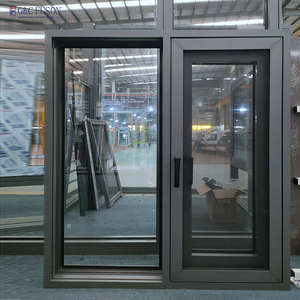
Triple-glazed casement configuration engineered with polyolefin polyamide thermal barrier profiles for extreme solar heat mitigation in tropical climates.
Contact Us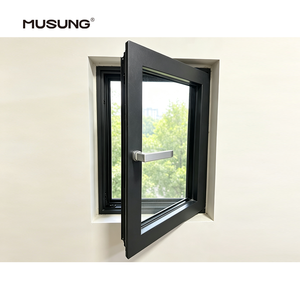
Windproof, heavy-extrusion residential architectural window integrated with high-visibility, anti-mosquito stainless security screens.
Contact Us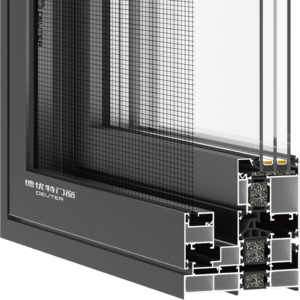
Typhoon-rated outswing structural profile featuring laminated security glass and built-in Kingkong stainless steel security mesh.
Contact Us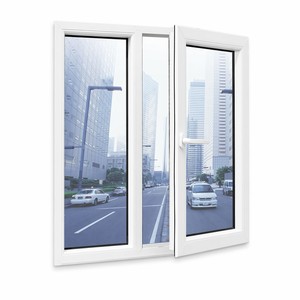
Multi-chambered uPVC profile providing superior acoustic insulation against HCMC urban traffic noise paired with retractable insect screens.
Contact Us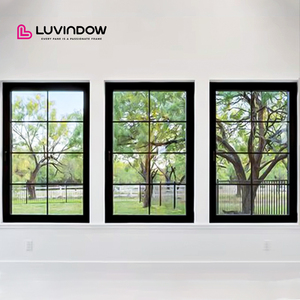
Narrow sightline modern design with fluorocarbon powder coating, specialized for luxury high-rise apartments and modern villas.
Contact Us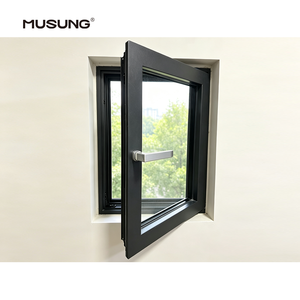
Precision-cut 6063-T5 aluminum framing engineered for cost-effective, multi-unit residential project developments in Southern Vietnam.
Contact Us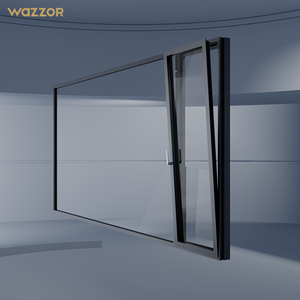
High-tensile architectural system designed to withstand Grade 12 monsoon gusts, heavy downpours, and intense solar radiation.
Contact Us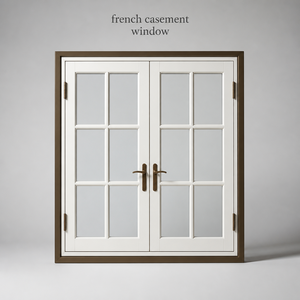
Classical aesthetics combined with modern double-tempered security glass and internal stainless insect screen protection.
Contact UsHo Chi Minh City (HCMC) presents a unique microclimate challenge for facade engineers, master builders, and real estate developers. Positioned in Southern Vietnam’s tropical wet-and-dry zone, HCMC experiences sustained relative humidity averaging 78% to 85%, prolonged monsoon downpours during the May-to-November wet season, and extreme ultraviolet (UV) exposure with index ratings frequently exceeding 11+. Furthermore, rapid urban expansion across districts such as Thu Duc City, District 7 (Phu My Hung), and District 1 has amplified the heat-island effect and heightened noise pollution levels along major arteries like Mai Chi Tho and Vo Van Kiet high-speed corridors.
Building envelopes in Southern Vietnam require specialized structural window screens and glazing profiles that go far beyond basic aesthetics. Sourcing high-grade window screen systems from premier Chinese manufacturing facilities provides developers in Vietnam with an optimal balance of structural strength, vector control (combating Aedes aegypti mosquitoes responsible for dengue fever), thermal insulation, and cost-efficiency.
Standard architectural mesh (such as basic electro-galvanized iron or soft fiberglass) degrades within 18 to 24 months under HCMC’s high ambient humidity and salt-laden riverine air. B2B procurement specifications must enforce AISI 304 or AISI 316 Marine-Grade Stainless Steel Mesh with electrostatic powder coating, paired with 6063-T5 extruded aluminum frame profiles.
China has established the world's most advanced industrial cluster for extruded architectural aluminum, thermal break profile engineering, and stainless steel wire mesh weaving. By combining direct factory fabrication with specialized export packaging tailored for maritime transport to Cat Lai Port (HCMC), Chinese manufacturers deliver engineered facade solutions at a fraction of local fabrication costs while maintaining rigorous ISO9001, AAMA, and CE compliance standards.
Multi-layered performance features crafted specifically to withstand heat, severe storms, insects, and humidity.
18x16 mesh weave aperture engineered to block tiny tropical midges and dengue-carrying Aedes mosquitoes while permitting over 75% natural ventilation pass-through.
0.8mm to 1.0mm high-tensile 304 stainless steel security screens act as an unbreachable structural barrier against forced entry, drop hazards in high-rises, and severe storm debris.
Integrated PA66 nylon thermal barrier strips isolate outdoor tropical heat, reducing air-conditioning power consumption in luxury HCMC apartments by up to 32%.
Structural profile designs tested to withstand static wind loads up to 4500 Pascals, ensuring structural integrity during Southern Vietnam monsoon squalls.
Combined soundproofing seals and double glazing lower exterior ambient city noise by 35dB to 42dB, creating peaceful indoor residential environments.
AkzoNobel or PPG fluorocarbon powder coating withstands over 2,000 hours of salt spray testing (ASTM B117), preventing oxidation in coastal river regions.
Selecting the appropriate mesh and framing standard is critical for optimizing project budget versus long-term lifecycle durability. The matrix below outlines engineered options for project specifiers exporting from China to Vietnam:
| Specification Parameter | Standard Fiberglass Mesh | 304 Stainless Mesh (Insect) | 316 Marine Stainless (Security) |
|---|---|---|---|
| Wire Diameter / Thickness | 0.28 mm | 0.18 mm - 0.25 mm | 0.80 mm - 1.00 mm (Kingkong) |
| Tensile Strength (MPa) | Low (~150 MPa) | High (~650 MPa) | Extreme (>900 MPa) |
| HCMC Humidity / Salt Resistance | Moderate (Fraying under UV) | Excellent (Coated) | Superior (Marine Grade) |
| Ventilation Airflow Ratio | ~65% | ~78% (Invisible Mesh) | ~60% (Structural Security) |
| Burglary & Impact Resistance | None | Puncture Resistant | High Structural Security (Anti-Theft) |
| Target Application | Low-budget rentals | Urban High-Rise Condos | Luxury Villas & Penthouse Suites |
Rooted in a legacy of custom window, door, and screen manufacturing established in 1973, our production network operates under the strict mandate that precision fabrication eliminates field installation friction. Operating from state-of-the-art facilities equipped with computerized dual-head cutting saws, automated corner crimping units, and automated mesh tensioning equipment, every unit is fabricated to exact 1/8-inch (1mm) structural tolerances specified by field engineering teams.
In contrast to off-the-shelf standard sizes that force contractors to make costly site modifications, our export production line specializes in build-to-order manufacturing. From complex arch-top casements and trapezoidal fixed glazing to multi-panel sliding patio screen doors, every assembly undergoes rigorous quality control checks prior to export container loading:
Aluminum profile cutting, thermal bridge insertion, corner welding, insulated glass unit (IGU) sealing, and hardware fitment are executed under one unified roof to control lead times and eliminate third-party defects.
Each unit is protected with anti-scratch protective film, corner guards, moisture-absorbing desiccant packs, and packed inside fully enclosed fumigated plywood crates to withstand sea transit to Cat Lai Port, HCMC.
Essential technical and logistical insights for architects, developers, and general contractors importing from China to Vietnam.
Direct sourcing from top Chinese manufacturers offers HCMC project developers cost savings of 25% to 40% compared to local assembly, while providing access to advanced thermal break technology, superior 6063-T5 aluminum extrusions, and certified 316 marine-grade stainless screens. Lead times to Cat Lai Port are fast, typically requiring only 12-18 days of shipping transit time.
Our window assemblies feature multi-barrier EPDM weather stripping, concealed drainage channels, and high-side internal sill baffles. This prevents water backup during heavy monsoon downpours while maintaining wind-pressure resistance up to Grade 12 typhoon levels (4500 Pa).
Yes. Every order is manufactured strictly to architectural shop drawings. Whether your project requires 3.5-meter tall sliding patio screen doors, arched casement tops, angled trapezoids, or integrated corner window screens, we cut and weld profiles in 1/8-inch (1mm) precision increments.
For high-rise developments above the 10th floor, we recommend 0.8mm 304 or 316 High-Tensile Stainless Steel Security Mesh (Kingkong Mesh). It provides structural fall protection for occupants, withstands high elevation wind loads, acts as an anti-burglary barrier, and prevents insect entry without restricting city views.
We routinely ship under FOB (China Port), CIF (Cat Lai Port / ICD Phuoc Long), or DDP terms. We provide complete Form E Certificate of Origin documents, enabling Vietnamese importers to take advantage of preferential tariff rates under the ASEAN-China Free Trade Area (ACFTA).
Aluminum is naturally conductive. Thermal break profiles insert a low-conductive PA66 polyamide barrier between the outer and inner aluminum chambers. When paired with Low-E double glazing and solar insect screens, heat transfer (U-value) is reduced dramatically, lowering interior HVAC cooling loads.