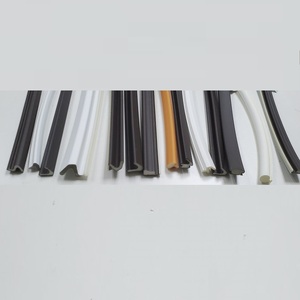
USA Standard PVC Door Sweep Weather Strip
Industrial co-extruded composite weather seal providing continuous air-tightness, thermal barrier defense, and certified acoustic isolation.

Explore our certified fenestration catalog engineered for severe climate zones, coastal wind resistance, and zero-carbon building frameworks.
Industrial co-extruded composite weather seal providing continuous air-tightness, thermal barrier defense, and certified acoustic isolation.
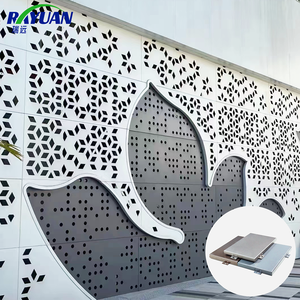
High-precision laser cut architectural aluminum panels structured for dynamic airflow control, heat dispersion, and aesthetic commercial exteriors.
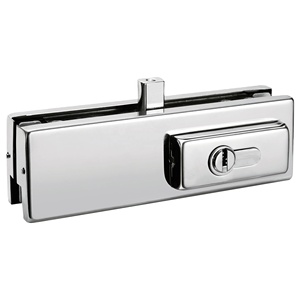
Heavy-duty grade 304/316 satin-finish zinc alloy and steel mechanical hinges engineered for frameless triple glazing loads.
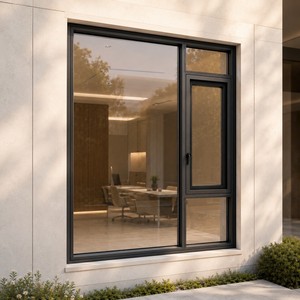
Thermally broken slim-profile aluminum alloy frames supporting multi-cavity glazed units for peak acoustic and thermal reduction.
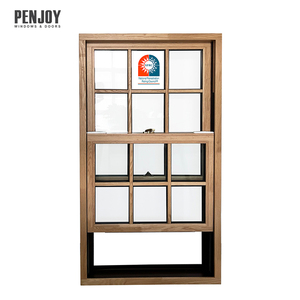
Classic aesthetic composite and timber interior lines paired with advanced insulating glass assemblies for historical restorations.
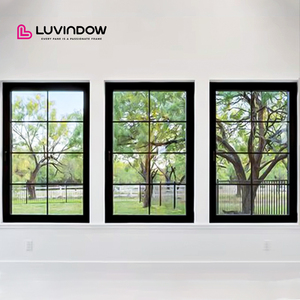
High DP-rated impact structural assemblies with multi-point perimeter compression seals for high-velocity hurricane zones (HVHZ).
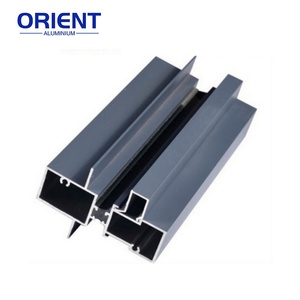
Polyamide PA66 thermal barrier structural extrusions preventing interior thermal bridge transfers and edge condensation.
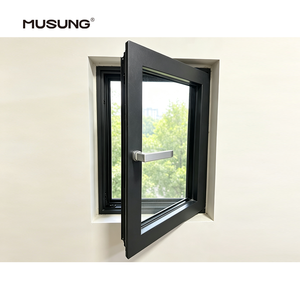
Dual and triple pane compatibility with Warm Edge spacer systems and multi-layered Low-E coatings for Passive House compliance.
In modern architectural engineering, standard double-glazed fenestration frequently creates an envelope liability in high-latitude, extreme marine, or densely urban locations. A true triple-glazed unit (TGU) incorporates three glass panes enclosing two hermetically sealed inter-cavity chambers filled with inert gases (typically 90% to 95% Argon or Krypton), drastically slowing down convective and conductive heat dissipation.
Achieves centre-of-glass thermal transmittance as low as 0.5 to 0.7 W/(m²·K), exceeding the operational thresholds of LEED Platinum, BREEAM, and Passivhaus standards.
Optimized 12mm to 16mm spacing engineered to eliminate intra-cavity convection loops while utilizing warm-edge composite spacers to prevent perimeter thermal bridging.
By employing asymmetric glass thicknesses (e.g., 4mm + 6mm + 8mm acoustic PVB lamination), the unit eliminates coincident resonance frequencies, dampening low-frequency transit hum.
As international energy conservation codes (such as ASHRAE 90.1, the European EPBD, and the UK Future Homes Standard) tighten minimum envelope U-values, procurement strategies must evolve. Merely adding a third lite of glass without structurally reinforced hardware and thermal break profile integration creates dead-load sagging, sash torque, and early primary seal failure. Our supply chain integrates structural engineering, dual-barrier polyisobutylene (PIB) sealants, and precision-milled multi-chambered profiles to deliver multi-decade durability.
Strategic purchasing guidelines for procurement officers, general contractors, commercial facade developers, and regional distributor networks.
While triple glazing incurs a 15–25% higher initial material expense over standard double glazing, commercial lifecycle analysis proves HVAC plant capacity downsizing often recoups capital expenditure within 36 to 48 months of operation.
Adding a third pane increases unit mass by roughly 10 kg/m² per millimeter of glass thickness. Procurement schedules must specify heavy-duty four-bar friction stays, reinforced bottom patch locks, and steel-stiffened PVC/aluminum extrusions.
The industry is transitioning toward hybrid configurations pairing a micro-cavity vacuum layer with an outer argon-filled chamber, yielding R-12+ performance within slender profiles compatible with standard framing channels.
International freight introduces moisture, temperature swings, and barometric differentials. Certified exporters utilize capillary pressure-relief tubes, desiccated corner keys, and fumigated steel-banded A-frame crating.
Suppliers are increasingly scrutinized under Scope 3 emission declarations. Specifying low-carbon float glass produced via electric arc furnaces or hydrogen-fueled kilns guarantees compliance with impending international Green Public Procurement rules.
Superior thermal insulation causes the exterior lite to stay cold, resulting in dew condensation during early morning cycles. Next-generation coatings feature hydrophobic exterior surfaces to preserve uninterrupted visual clarity.
Founded on rigorous engineering, continuous on-site fabrication, and accountable end-to-end quality assurance since 1973.
From PVC extrusion and thermally broken aluminum framing to specialized robotic IGU assembly, operations remain consolidated under direct engineering oversight.
We eliminate supply chain hand-offs by executing custom architectural dimensions, historic profile replications, and heavy commercial curtain-wall solutions.
Backed by official home improvement certifications (HIC #189563), NFRC thermal performance ratings, and rigorous ASTM/AAMA air-water-structural test protocols.
Established regional distribution hubs covering key domestic corridors (MA, NH, ME, NJ, NY, PA) alongside streamlined containerized global export capabilities.
Direct technical answers addressing system capabilities, logistics handling, and architectural integration.
Triple glazing delivers a substantial upgrade across thermal insulation, acoustic isolation, and structural integrity. In coastal and high-rise environments exposed to sustained wind loads and wide thermal swings, dual-cavity units minimize internal pane deflection, virtually eliminate interior perimeter condensation, and provide Rw ratings up to 48 dB for quiet interior environments.
Elevation and temperature differentials during intercontinental transit exert immense pressure on sealed IGUs. We integrate calibrated capillary breathing tubes or pressure-equalization valves during manufacturing. Units are dual-sealed using primary polyisobutylene and secondary structural silicone or polysulfide, keeping annual inert gas loss under 0.5% in accordance with EN 1279-3 testing criteria.
Standard framing profiles engineered for 24mm or 28mm double glazing typically lack the throat depth required for 36mm–44mm triple units. Retrofitting requires either stepped-edge IGUs, specialized exterior adaptor beads, or transitioning to our advanced polyamide thermally broken profiles engineered specifically to distribute the increased mechanical dead-load without racking the sash.
We provide full customization, including soft-coat Low-E (double or triple silver magnetron sputtering), dynamic solar control tints, fully tempered (toughened) safety glass, heat-soak tested glass to mitigate nickel sulfide inclusion risks, PVB/SentryGlas laminated storm panes, and integrated blinds or micro-louvers within the inner cavity.
Every commercial production run is accompanied by full material traceability reports, mill test certificates (MTC) for extrusions, and certified NFRC/CE/ASTM performance documentation. Insulated glass assemblies carry a comprehensive 10-to-20 year hermetic seal warranty, supported by five decades of continuous manufacturing accountability.