
Explore our industrial-grade entrance door and window solutions, manufactured to rigorous ASTM, EN, and NFRC thermal and structural standards for high-end residential and commercial developments.
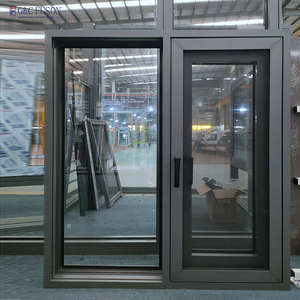
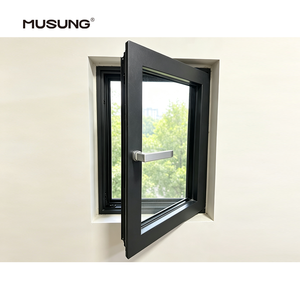
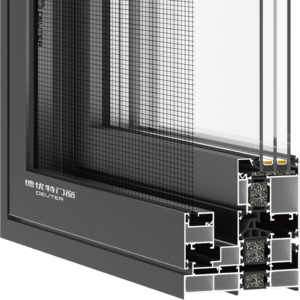
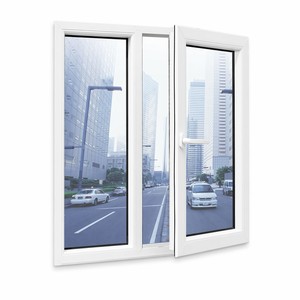
The strategic sourcing of residential and commercial entrance doors is undergoing a seismic shift. Dynamic structural energy codes, extreme weather events, and a transition toward minimal modern aesthetics require commercial buyers, architectural firms, and real estate developers to re-evaluate their supply chain benchmarks. Selecting the right entrance doors factory is no longer just a transaction based on unit price—it is an investment in risk mitigation, building envelope integrity, and regulatory compliance.
Modern building envelope standards require U-factors below 0.18 BTU/hr·ft²·°F. Enterprise suppliers are abandoning basic thermal breaks in favor of multi-cavity polyamides infused with aerogel insulation, combined with warm-edge spacers and gas-filled low-emissivity glass packages.
Due to severe climate volatility, regional compliance guidelines (such as Florida's High-Velocity Hurricane Zone specifications and coastal ASTM standards) are becoming universal prerequisites. Sourcing entry systems certified for cyclic wind pressure and large-missile impacts eliminates structural liability.
Architects demand maximum natural daylight with minimal exposed framing. Structural aluminum profiles utilizing 6063-T6 temper allow for oversized, floor-to-ceiling entry pivot and swing doors with narrow sightlines without compromising deflection criteria.
In response to these trends, top trusted entrance door suppliers are consolidating manufacturing under one roof—integrating precision CNC extrusion cutting, automated corner fusion welding, continuous gasket co-extrusion, and automated insulating glass unit (IGU) assembly.
Understanding the internal engineering of modern entrance systems is critical for commercial procurement managers. The transition from legacy wooden or hollow steel assemblies to thermal-break extruded aluminum, high-density composite fiberglass, and structural UPVC has introduced advanced performance vectors:
Standard aluminum is a high-conductivity thermal bridge. Advanced factories utilize structural PA66 polyamide strips reinforced with 25% glass fiber. This material matches the thermal expansion coefficient of aluminum while effectively severing the conductive heat transfer channel between interior and exterior extrusions, eliminating condensation risks in freezing climates.
Urban acoustic pollution requires fenestration systems with High Sound Transmission Class (STC) ratings. Modern entry door systems integrate asymmetric glass pane thicknesses (e.g., 6mm outer + 8mm inner laminated pane) with specialized acoustic PVB interlayers, achieving STC values above 42 dB and significantly damping low-frequency transit noise.
To resist coastal salt-spray corrosion, entrance door factories implement Qualicoat Class 2 standard powder coatings and Fluorocarbon (PVDF) finishes. These coatings withstand 3,000+ hours of salt spray exposure testing without chalking, blistering, or color degradation, essential for coastal residential and commercial developments.

Founded in 1973 and operating continuously out of our dedicated facility at 77 Newark Street, Haverhill, Massachusetts, Coastal Industries, Inc. represents the benchmark of North American and global fenestration engineering.
Unlike middlemen and brokers who re-box mass-market stock items, we manufacture to the exact 1/8-inch field dimensions. From vinyl replacement series to high-end thermal-break aluminum and premium Therma-Tru® entrance systems, our single-roof operations ensure tight quality control from raw profile extrusion to final field installation.
Direct answers to critical structural, thermal, and supply-chain questions encountered by enterprise buyers.
Direct factory fabrication eliminates structural compromises. Stock units require extensive field shimming, perimeter buck modification, and additional trim work to fit out-of-square openings. Factory-direct manufacturing cuts profiles to the exact 1/8-inch measurements of your project opening, optimizing structural load transfer, preserving factory weather-seal integrity, and reducing installation labor time by up to 35%.
For northern/cold climates, specify dual or triple-pane units with a Low-E coating on surface #3 (interior-facing side of the inner pane) and argon gas fill to maximize solar heat gain while preventing interior heat loss (targeting a U-Factor ≤ 0.20). For southern/warm climates, specify a spectrally selective Low-E coating on surface #2 (interior-facing side of the outer pane) to reject radiant heat before it enters the envelope, minimizing Solar Heat Gain Coefficient (SHGC ≤ 0.23).
IGU failures (fogging and condensation between panes) are prevented through double-sealed technology: a primary seal of polyisobutylene (PIB) for vapor impermeability, paired with a secondary structural seal of silicone or polyurethane for mechanical strength. Utilizing warm-edge stainless steel or silicone-composite spacers reduces thermal stress at the glass perimeter, preventing seal degradation over decades of expansion cycles.
Design Pressure (DP) ratings are achieved through structural alloy selection (6063-T6 temper), reinforced internal wall thicknesses (minimum 2.0mm to 3.0mm structural profiles), corner-cleat alignment with high-tensile epoxy injection, and multi-point perimeter latching mechanisms. These components ensure that under wind loads exceeding 160 MPH, frame deflection remains strictly within L/175 architectural parameters.
Standard enterprise lead times range from 3 to 6 weeks depending on custom extrusion finishes (powder coating, anodizing, or woodgrain sublimation) and specialized glazing requirements (laminated impact, electrochromic, or custom grilles). We accommodate custom architectural shapes including radius arches, trapezoids, integrated transoms, and sidelites directly off shop drawings.
Yes. Our commercial aluminum and premium fiberglass door profiles are pre-milled to accept smart locks, magnetic keycard systems, biometric access controls, multi-point motorized locking bolts, and concealed door closers. Electrical wiring raceways can be integrated directly within the extrusions during factory assembly.
Connect directly with our engineering team to review shop drawings, receive factory-direct unit pricing, or schedule a technical consultation for your upcoming residential or commercial development.
Inquire Now