
Precision-engineered, thermal-break, and high-impact structural window systems for commercial, residential, and institutional mega-projects worldwide.
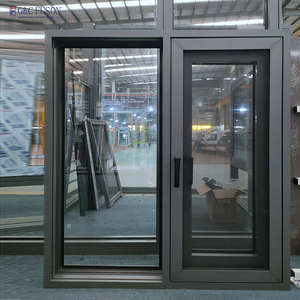
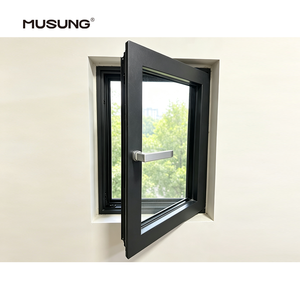
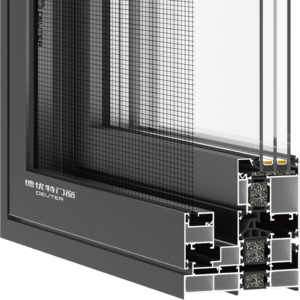
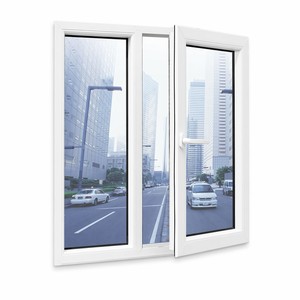
In the modern international construction ecosystem, fenestration systems account for up to 40% of a building's thermal energy transfer and represent a major architectural facade investment. Sourcing high-performance Unplasticized Polyvinyl Chloride (UPVC) and specialized thermal break aluminum windows requires direct evaluation of manufacturing capabilities, material chemistry, and structural testing. This comprehensive procurement report offers an authoritative analysis of global manufacturing standards, material trends, structural engineering compliance, and supply chain logistics.
Rooted in half a century of manufacturing tradition—spearheaded by legacy facilities such as our 77 Newark Street plant in Haverhill, Massachusetts (Operating under MA HIC License #189563)—our engineering philosophy centers on complete vertical integration. Unlike assembly shops that source outsourced components, leading global exporters control extrusion profile formulations, fusion welding, insulated glass unit (IGU) fabrication, and multi-point locking integration under a unified quality assurance protocol.
When procurement officers, architects, and real estate developers evaluate top 10 export manufacturers, six crucial core competencies dictate product quality and order fulfillment:
Key technical differentiators that set world-class UPVC window exporters apart from lower-tier suppliers.
Engineered 5 to 7 internal profile chambers create isolated dead-air pockets, drastically lowering frame U-factors and enhancing structural rigidity without adding excess deadweight.
High-tensile zinc-coated steel inserts embedded within the main UPVC chambers provide high wind-load resistance (ASTM E330) and prevent profile warping under extreme temperature fluctuations.
Dual or triple tempered Low-E glass configurations featuring stainless steel or composite warm-edge spacers drastically reduce perimeter condensation and thermal loss.
The global window and door manufacturing sector is experiencing a massive technological transformation. Driven by stringent municipal energy codes (such as Energy Star v7.0 in North America and Passivhaus standards in Europe), leading UPVC window factories are re-engineering profile physics, raw material chemistry, and automated fabrication processes.
Traditional white UPVC profiles are increasingly giving way to co-extruded PMMA (Polymethyl Methacrylate) acrylic layers and co-extruded foil laminates. This technique fuses a colored acrylic layer directly to the UPVC substrate during extrusion. The result is an ultra-durable exterior finish that reflects up to 75% of solar infrared radiation, dramatically reducing profile heat absorption and heat deformation—even in harsh equatorial climates or extreme solar radiation exposure zones.
To eliminate internal profile thermal radiation, top-tier exporters are introducing hydrophobic silica aerogel insulants into profile chambers. Furthermore, the commercialization of Vacuum Insulating Glass (VIG)—which replaces gas-filled spaces with a 0.2mm vacuum gap—allows 8.3mm thin VIG glass units to achieve U-values as low as 0.60 W/m²K (R-value ~9.5), matching the thermal resistance of solid masonry walls.
Modern commercial developments require windows to function as active components of a building’s HVAC system. Concealed motorized actuators, integrated magnetic security sensors, and automated trickling ventilation systems allow UPVC casement windows to open dynamically during off-peak night cooling cycles, cutting HVAC cooling loads by up to 18% annually.
| Performance Metric | Class A UPVC Profile | Standard Non-Thermal Aluminum | Thermal Break Aluminum |
|---|---|---|---|
| Profile Thermal Conductivity (W/mK) | 0.13 - 0.17 (Exceptional) | 160 - 200 (Very Poor) | 1.8 - 2.8 (Moderate to High) |
| Typical Frame U-Factor Range | 0.15 - 0.22 BTU/hr·ft²·°F | 0.80 - 1.20 BTU/hr·ft²·°F | 0.26 - 0.38 BTU/hr·ft²·°F |
| Acoustic Attenuation (STC Rating) | 38 - 45 dB | 28 - 32 dB | 35 - 42 dB |
| Coastal Corrosion Resistance | Immune to salt spray & rust | Requires anodizing/powder coating | Requires specialized coastal finish |
| Maintenance Lifecycle Requirement | Zero painting; low wash down | Moderate; subject to oxidation | Low to Moderate |
| Relative Cost Index | Cost-Effective / High ROI | Lowest Initial Cost | Premium Investment |
International fenestration procurement is shifting from spot-market transactions to strategic long-term OEM/ODM manufacturing partnerships. Large-scale general contractors, developers, and regional distributors must evaluate supplier risks across four strategic domains:
With green building rating systems like LEED v4.1 and BREEAM requiring full life-cycle assessments (LCA), top exporters must furnish third-party verified EPDs detailing Embodied Carbon metrics. Calcium-Zinc stabilized UPVC profiles that incorporate up to 30% recycled post-industrial vinyl content offer significant decarbonization advantages without compromising tensile strength.
International shipping freight rates require maximum container space utilization. Leading factories employ custom automated wooden crate packaging systems, utilizing heavy-duty corner protectors and moisture-proof vacuum wrapping. Units are shipped complete with pre-installed brick-moulds or flange frames, reducing site installation labor by up to 40%.
Before issuing purchase orders to overseas factories, procurement executives should verify that factory quality control labs conduct batch-level testing under three key international standards:
Comprehensive engineering & supply chain answers for real estate developers, contractors, and trade dealers.
All vinyl/UPVC windows, thermal break aluminum units, double-sliding patio doors, storm products, and porch enclosures are fabricated directly in our dedicated manufacturing facilities. Operating from our long-established plant located at 77 Newark Street, Haverhill, MA, we maintain full control over profile extrusion selection, glass unit assembly, corner fusion welding, and quality testing under strict international standards.
Yes. Because our factory cuts, welds, and glazes custom units to order, all fenestration systems are built to exact 1/8-inch opening specifications. Custom specialty configurations—including arch-top operable sashes, trapezoids, circle windows, multi-lite garden windows, and complex bay or bow assemblies—are manufactured to exact architectural field templates.
Our UPVC profile chemistry utilizes advanced Titanium Dioxide (TiO2) and Calcium-Zinc eco-stabilizers designed to prevent solar degradation, chalking, and discoloration. Furthermore, UPVC is entirely immune to saltwater corrosion, making it superior to standard aluminum frames in coastal salt-air environments.
Standard insulated units are built with dual-pane or triple-pane Low-E coatings, argon gas fill (minimum 90% purity), and warm-edge structural foam spacers. For severe acoustic or security requirements, obscure, fully tempered, sound-damping acoustic PVB, and hurricane-laminated glass packages are readily supplied.
Yes. We regularly partner with commercial developers, general contractors, multi-family housing builders, and trade distributors (such as our regional distribution network HomeWorks Plus covering NJ, NY, and PA). We supply volume schedule estimates, custom shop drawings, container shipping logistics, and full technical warranty support.
All fabricated vinyl and UPVC profile lines carry comprehensive manufacturer warranty coverage protecting against profile cracking, peeling, or structural blistering. Insulated glass units are warrantied against seal failure and interior fogging. Written terms are issued directly with purchase agreements.
Consult with our senior fenestration specialists today to review window schedules, technical CAD details, sample requests, and factory-direct export quotations.
Contact Us