
Explore our top-rated fenestration assemblies, combining heavy-duty aluminum extrusions, thermal-break vinyl multi-chambered profiles, high DP wind load resistance, and Low-E double/triple glazing.
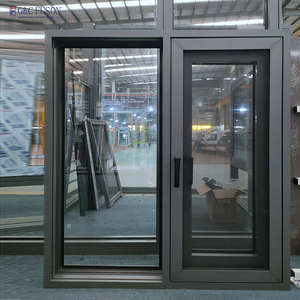 Thermal Break
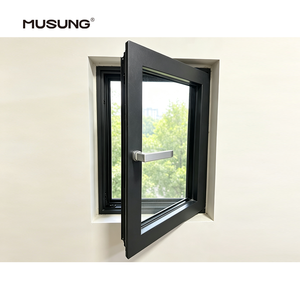 Windproof
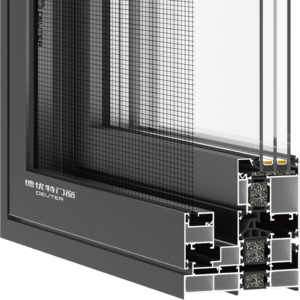 Hurricane Rated
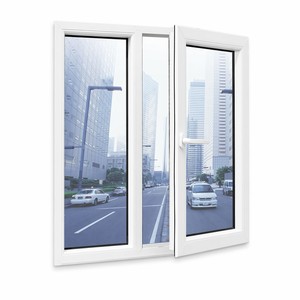 High Efficiency
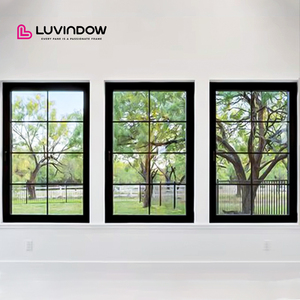 Slim Sightline
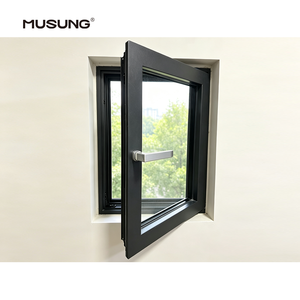 Energy Star v7.0
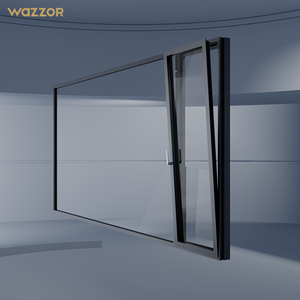 Typhoon Rated
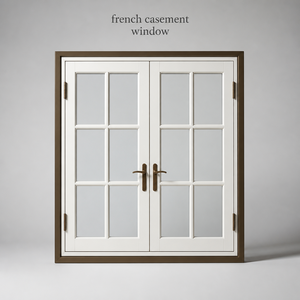 Architectural
In the high-stakes fenestration market, selecting the right storm window manufacturer is a critical decision for architectural developers, commercial contractors, and residential distributors. Operating from our dedicated 77 Newark Street facility in Haverhill, Massachusetts since 1973, Coastal Industries, Inc. (CII Windows & Doors) has established a half-century legacy of engineering rigor, local fabrication autonomy, and performance transparency.
Unlike regional brokers or stock assemblers who rely on outsourced third-party components, our plant maintains direct control over every step of the manufacturing chain. From precision-cutting extruded aluminum profiles and multi-chambered vinyl extrusions to fusion-welding frame corners, integrating thermal-break polyamide struts, and assembling custom double- and triple-glazed Low-E insulated glass units (IGUs), our in-house control guarantees that every product meets exacting engineering standards.
Every sash and frame profile is cut and welded to within 1/8-inch tolerances, accommodating historic structural settling and complex modern architectural shapes.
Utilizing high-density polyamide (PA66) thermal breaks and warm-edge spacers, our systems eliminate thermal bridging in extreme freeze-thaw climates.
Engineered to meet ASTM E1886 and ASTM E1996 missile impact requirements, protecting structural envelopes against hurricane-force winds and dynamic pressure.
Selecting the optimal storm window profile requires balancing thermal transmittance (U-Factor), Solar Heat Gain Coefficient (SHGC), structural Design Pressure (DP), and acoustic Sound Transmission Class (STC). Below is a comprehensive benchmarking grid comparing major manufacturing profile materials utilized in high-performance residential and commercial applications.
| Material / Profile Category | U-Factor Range (Btu/h·ft²·°F) | SHGC Range | Design Pressure (DP) Rating | Acoustic Rating (STC) | Optimal Application Zone |
|---|---|---|---|---|---|
| Thermal Break Aluminum (PA66) | 0.22 – 0.28 | 0.18 – 0.40 | DP-50 to DP-80 | 36 – 44 dB | Commercial, Multi-Family, Coastal High-Wind |
| Multi-Chamber Fusion Vinyl (PVC) | 0.18 – 0.24 | 0.20 – 0.35 | DP-35 to DP-60 | 32 – 38 dB | Residential Replacement, Severe Cold Climates |
| Impact-Resistant Laminated Aluminum | 0.26 – 0.32 | 0.22 – 0.45 | DP-70 to DP-100+ | 40 – 48 dB | HVHZ (High-Velocity Hurricane Zones), Security |
| Traditional Non-Thermal Aluminum | 0.45 – 0.60 | 0.40 – 0.65 | DP-30 to DP-45 | 26 – 30 dB | Secondary Exterior Storm Retrofits, Light Utility |
The global building envelope market is undergoing a fundamental structural transition. Driven by stringent decarbonization mandates, evolving building energy codes (such as Energy Star Version 7.0), and severe climate event frequency, architectural procurement strategies are shifting from simple secondary glass inserts toward integrated, high-gain impact thermal fenestration.
With the implementation of Energy Star v7.0 requirements across North America, the maximum allowable U-Factor for Northern climate zones has dropped to 0.22 for residential windows. As a result, storm window manufacturers are rapidly sunsetting single-pane secondary units in favor of warm-edge, triple-pane Low-E assemblies. Advanced vacuum-insulated glass (VIG) technology is also entering high-end procurement schedules, allowing ultra-thin glass profiles to achieve thermal values under U-0.10 while maintaining slim architectural profiles.
Building codes in coastal regions are expanding High-Velocity Hurricane Zone (HVHZ) requirements inland. Modern procurement now mandates that commercial and luxury residential fenestration withstand cyclic pressure loading and large missile impact testing (ASTM E1886/E1996). Forward-thinking storm window manufacturers are responding by incorporating flexible structural silicone glazing (SSG), multi-layer PVB/SGP interlayers, and reinforced aluminum alloy frames that prevent structural envelope breach during extreme weather events.
As urban densification accelerates, noise pollution has emerged as a major habitability challenge for multi-family real estate developers. Commercial buyers are increasingly specifying storm window retrofits as secondary acoustic barriers. By pairing unequal glass thicknesses (e.g., 6mm laminated glass paired with 4mm tempered glass) separated by an optimized 2-inch to 4-inch air cavity, modern storm assemblies are achieving Sound Transmission Class (STC) ratings above 45 dB, effectively insulating indoor occupants from urban transport and exterior noise.
Key technical considerations for commercial builders, distributors, project managers, and property owners.
Standard extruded aluminum frames act as natural thermal conductors, allowing thermal energy to rapidly bridge between the exterior and interior of a building. Thermal break aluminum windows integrate a low-conductive polyamide strut (such as PA66) between the interior and exterior aluminum profiles. This structural barrier drastically reduces heat transfer, eliminates interior frame condensation, and lowers the window's total U-Factor from ~0.55 down to 0.22–0.26, combining maximum structural strength with superior energy efficiency.
Standard catalogue windows require fixed, pre-set rough openings. However, existing structures, historic retrofits, and masonry openings frequently suffer from structural settling, leaving openings out-of-square. Manufacturing window units to exact 1/8-inch field measurement dimensions eliminates the need for expensive structural opening alterations, reduces excessive perimeter shimming and foam insulation usage, and creates a tight weather seal that minimizes long-term air infiltration (ASTM E283 compliance).
Design Pressure (DP) measures a window assembly's structural resistance to wind load forces, air leakage, and water penetration expressed in pounds per square foot (psf). Higher DP ratings (such as DP-50 or DP-70) indicate higher structural integrity. Impact Certification (such as ASTM E1886/E1996 or Florida Building Code TAS 201/203), on the other hand, certifies that the window IGU has survived direct kinetic impact from heavy debris (such as a 9-lb 2x4 lumber shot at 50 fps) followed by thousands of pressure cycles, ensuring the building envelope remains uncompromised during hurricanes.
Yes. Historic preservation boards frequently prohibit replacing original primary wood sashes. Installing custom-fabricated, low-profile exterior or interior aluminum storm windows protects historic sashes from weather degradation while adding modern Low-E double glazing. This retrofitting strategy boosts thermal performance to modern Energy Star standards and delivers acoustic dampening without altering historic exterior architectural sightlines.
Traditional glass spacers use solid aluminum channels, which create a cold perimeter zone along the glass edge where condensation, frost, and mold thrive. Warm-edge spacers are engineered from stainless steel or composite silicone materials with low thermal conductivity. They maintain consistent thermal resistance across the entire insulated glass unit, reducing edge heat loss by up to 50% and protecting seal integrity over decades of thermal expansion and contraction cycles.
In cold northern climates (heating-dominated), double-silver Low-E coatings with a higher Solar Heat Gain Coefficient (SHGC > 0.30) are preferred to allow passive solar heating during winter while retaining indoor heat. In hot, sun-exposed southern climates (cooling-dominated), spectrally selective triple-silver Low-E coatings are specified to achieve low SHGC (< 0.22), blocking destructive ultraviolet and infrared solar radiation while maximizing visible light transmission.
When a manufacturer controls the entire process—from frame extrusion cutting and corner welding to IGU assembly and quality testing—communication delays and supply chain friction are eliminated. Quality issues are caught on the plant floor rather than at the job site. Furthermore, single-source manufacturers provide comprehensive written warranties directly covering frames, operational hardware, and insulated glass seals without transferring risk to component sub-suppliers.
Whether you are sourcing multi-family commercial replacements, coastal hurricane-impact fenestration, or specialized OEM/ODM window schedules, connect directly with our engineering sales team for technical estimates and custom factory pricing.