
Precision-engineered dual and triple-glazed Low-E window systems designed for extreme energy efficiency, structural load durability, and cold-climate compliance.
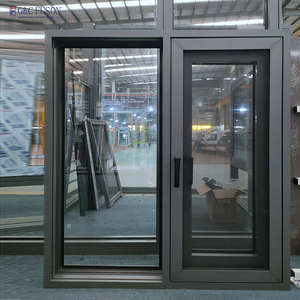
Engineered with multi-chamber thermal barriers, advanced double silver Low-E coatings, and high-purity argon gas insulation for cold-climate efficiency.
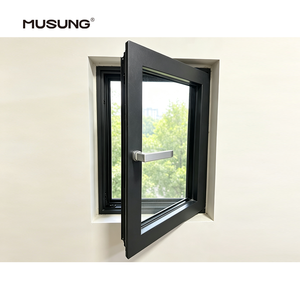
Commercial-grade extruded aluminum alloy frame coupled with high-transmittance soft-coat Low-E glass for modern architectural aesthetics.
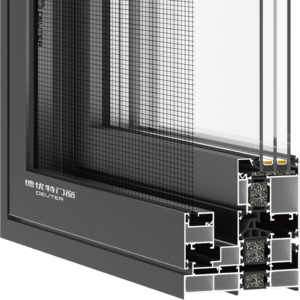
Heavy-duty laminated hurricane impact Low-E glass designed to withstand severe storm debris velocity and high wind loads in coastal zones.
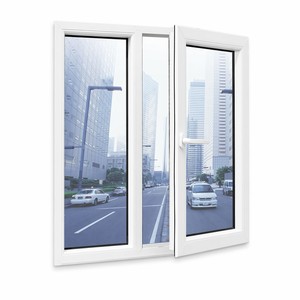
Multi-chamber vinyl extrusion profile paired with triple-glazed Low-E argon units for superior thermal breaks and acoustic dampening.
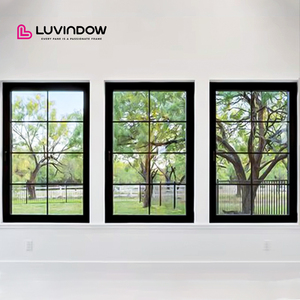
Ultra-slim architectural sightlines combined with high-grade structural aluminum frame and solar-control Low-E ceramic coatings.
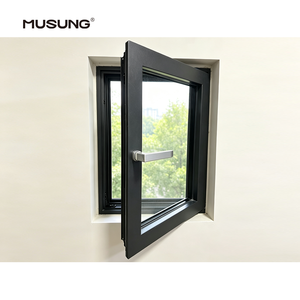
High-efficiency double-hung and casement replacement unit engineered specifically for residential multi-family housing developments.
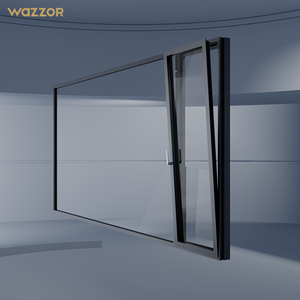
Commercial grade fenestration system utilizing reinforced corner key fusion welds and magnetron sputtered vacuum deposition (MSVD) Low-E layers.
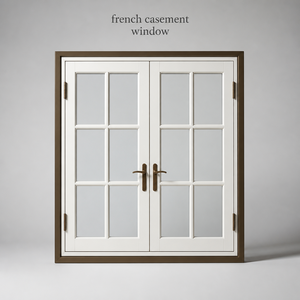
Architectural classic style combined with state-of-the-art dual-pass Low-E glazing, interior decorative muntin bars, and heavy-duty brass hardware.
In the architectural glass and structural fenestration industry, procurement failure points typically stem from fractured supply chains—where glass coaters, frame extruders, IG-unit assemblers, and field installation contractors operate independently. Coastal Industries, Inc. (CII) breaks this fragmented paradigm through fully integrated single-roof manufacturing at its 77 Newark Street plant in Haverhill, Massachusetts.
Operating continuously since 1973, CII exercises complete sovereign quality control over every process variable: custom profile cutting, precise corner fusion welding, automated warm-edge spacer application, dual-pane and triple-pane insulated glass unit (IGU) assembly, argon gas back-filling, and secondary silicone edge sealing. By handling 100% of sizing measurements in 1/8-inch increments on-site, off-spec field fits are virtually eliminated.
Unlike standard assembly facilities that outsource glazed sash units from remote regional distributors, our Haverhill manufacturing plant constructs customized glass sandwiches directly within strict climate-controlled environments. This direct oversight preserves low-dewpoint gas retention (<-40°F dew point) and eliminates sealant outgassing risks.
Low-Emissivity (Low-E) glass is microscopic metallic layer technology designed to reflect long-wave infrared thermal energy while retaining high optical clarity in the visible spectrum. For structural specifiers and architectural engineers, selecting between pyrolytic (hard-coat) and sputtered (soft-coat) silver stacks represents the fundamental thermal design choice.
Pyrolytic Hard-Coat Low-E: Applied during float glass manufacturing at elevated temperatures (~1200°F), tin oxide (SnO₂) bonds directly into the semi-molten glass surface. While mechanically durable and chemical-resistant, pyrolytic coatings possess higher emissivity values (typically ε ≈ 0.15 to 0.20), rendering them less efficient for severe heating-dominated northern climates.
Magnetron Sputtered Vacuum Deposition (MSVD) Soft-Coat: Applied off-line in high-vacuum chamber systems, MSVD technology deposits multi-layer thin films consisting of microscopic silver (Ag) layers bounded by dielectric zinc oxide (ZnO) and titanium dioxide (TiO₂) protective caps. MSVD soft-coats yield ultra-low emissivity levels (ε ≤ 0.02 to 0.05) and superior Solar Heat Gain Coefficient (SHGC) selectivity ratios exceeding 2.0.
| Performance Parameter | Single Silver Low-E (MSVD) | Double Silver Low-E (MSVD) | Triple Silver Low-E (MSVD) | Pyrolytic Hard-Coat |
|---|---|---|---|---|
| Emissivity (ε) | 0.08 - 0.10 | 0.04 - 0.06 | 0.01 - 0.03 | 0.15 - 0.20 |
| Visible Light Transmittance (VLT) | 75% - 80% | 70% - 75% | 62% - 68% | 80% - 84% |
| Solar Heat Gain Coefficient (SHGC) | 0.55 - 0.65 | 0.35 - 0.42 | 0.20 - 0.28 | 0.68 - 0.74 |
| Winter U-Factor (Double Glazed) | 0.26 BTU/h·ft²·°F | 0.23 BTU/h·ft²·°F | 0.20 BTU/h·ft²·°F | 0.32 BTU/h·ft²·°F |
| Light-to-Solar Gain (LSG) Ratio | 1.25 | 1.75 | 2.35 | 1.15 |
As commercial building codes transition toward net-zero energy compliance (such as ASHRAE 90.1, IECC 2024, and ENERGY STAR Version 8.0 requirements), the global procurement environment for Low-E fenestration is undergoing four major structural shifts:
Merging soft-coat Low-E glass with micro-pillar vacuum gaps (0.2mm gas-free vacuum space) yields thermal insulation values equivalent to solid insulated walls (U-factors as low as 0.06 BTU/h·ft²·°F) in ultra-thin profile envelopes.
Integration of variable tint electrochromic layers directly adjacent to silver Low-E stacks allows real-time automated SHGC modulation based on building management system (BMS) sensors.
Procurement directors are mandating verified Environmental Product Declarations (EPDs). Sourcing from regional fabricators reduces embodied carbon footprints associated with trans-oceanic heavy freight transit.
Global procurement teams evaluate glass primary manufacturers and custom fabricators against technical agility, thermal performance, custom geometric capabilities, and lead-time stability. Below is an engineering overview of the top ten industry leaders:
Primary Expertise: Direct factory custom thermal break vinyl & aluminum windows, light commercial fenestration, and low-E IGU assembly. High flexibility for out-of-square architectural shapes, historic custom templates, and direct installation oversight (MA HIC #189563).
Primary Expertise: European leader in ultra-clear float glass and SGG PLANITHERM / COOL-LITE solar control coatings designed for commercial skyscrapers.
Primary Expertise: Global manufacturer of Planibel Low-E coatings and energy-efficient architectural glass for industrial envelopes.
Primary Expertise: Industry-standard MSVD coating technology featuring high selectivity ratios for solar heat rejection in warm regions.
Primary Expertise: LoĒ-366® multi-layer silver coatings with high UV protection, widely specified in North American residential stock windows.
Primary Expertise: Solarban® series glass engineered for optimal balance between visible light transmittance and extreme low U-values.
Primary Expertise: Optitherm and NSG TEC pyrolytic online Low-E glass used extensively in self-cleaning and specialized industrial units.
Primary Expertise: Asia-Pacific structural glass giant specializing in high-volume triple silver Low-E curtain wall fabrication.
Primary Expertise: Energy-efficient architectural float glass, laminated security glass, and double-glazed solar control units.
Primary Expertise: High-capacity automobile and construction Low-E safety glass manufacturing with global wholesale logistics networks.
Direct technical guidance from our Haverhill plant engineers to assist contractors, architects, and building owners in specifying correct thermal fenestration.
The choice depends directly on your Climate Zone (ASHRAE 90.1 map). In cold northern zones (Zones 5–7), specify a high SHGC (≥ 0.45) with low U-factor (≤ 0.22) on south-facing glass to maximize passive solar heat gain during winter months. In heating-dominated climates, this solar heat offsets furnace loads. In southern cooling-dominated zones (Zones 1–3), specify ultra-low SHGC (≤ 0.25) with Triple Silver Low-E coatings to block harsh infrared solar radiation and dramatically reduce summer air conditioning peak demands.
Thermal stress fractures occur when uneven solar radiation creates steep temperature gradients across a single glass lite—typically when center-of-glass heats rapidly due to energy-absorptive Low-E coatings while the framed edges remain cold. Coastal Industries mitigates this risk through precise edge-seaming during glass cutting and recommending heat-strengthened or fully tempered glass packages whenever deep exterior shadows, heavy interior blinds, or high solar-absorption coatings are specified.
Argon is an inert, non-toxic gas with significantly lower thermal conductivity (k = 0.016 W/m·K) than dry atmospheric air (k = 0.026 W/m·K). When injected into a 1/2-inch (12mm) glass cavity at a minimum 90% concentration, argon slows convective heat transfer between the inner and outer panes, lowering the overall U-factor of the window assembly by approximately 0.04 to 0.05 BTU/h·ft²·°F.
CRF is an NFRC-rated index measuring how effectively a window resists interior glass condensation under high humidity and cold outdoor conditions (rated 1 to 100). Traditional aluminum box spacers act as thermal bridges, creating cold edge perimeters where condensation forms. Coastal Industries utilizes warm-edge stainless steel and composite foam spacers, which raise glass edge temperatures by up to 12°F, increasing CRF ratings above 65 and preventing interior moisture build-up and mold growth.
Because every window is cut, welded, and glazed directly in our 77 Newark Street, Haverhill facility, we do not rely on fixed catalogue stock dimensions. Our technical field crews measure opening width, height, and diagonals at three separate points per opening. Custom arch tops, trapezoids, angle bays, radius bows, and non-90 degree frames are fabricated in precise 1/8-inch increments, ensuring zero frame distortion during installation.
Connect with our Haverhill technical engineering team for direct factory pricing, structural wind-load calculations, glass specification sheets, and project scheduling.