
Explore high-performance insulated glass units (IGU), thermal break aluminum systems, and hurricane-rated casement solutions tailored for commercial and luxury residential exports.
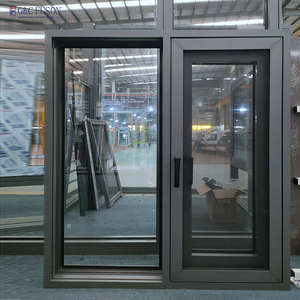
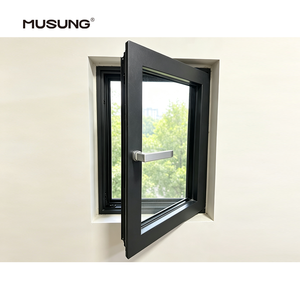
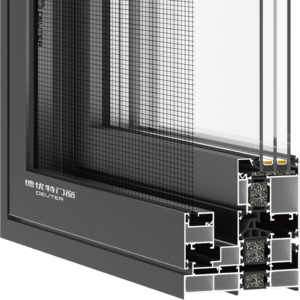
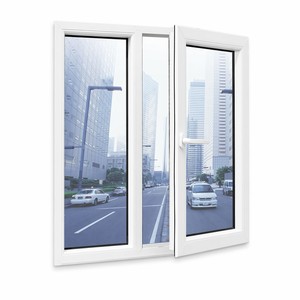
In modern architectural engineering and facade construction, the selection of an **Insulated Glass Unit (IGU)** manufacturer and exporter represents one of the most critical structural and thermal decisions for commercial and high-end residential developments. Insulated glass assemblies—commonly referred to as double glazing or triple glazing—serve as the primary thermal barrier between interior microclimates and exterior atmospheric variance. Driven by stringent global building energy codes, decarbonization targets (such as LEED v4.1 and Net-Zero Building standards), and extreme weather conditions, B2B procurement professionals must navigate complex engineering specifications when identifying top exporters.
Core Procurement Insight: The true value of a top-tier insulated glass exporter lies not merely in raw glass fabrication, but in structural seal longevity, edge-seal thermal optimization (warm-edge spacer technology), gas retention rates (>95% Argon/Krypton fill), and optical clarity under low-emissivity (Low-E) magnetron sputtering coatings.
An Insulated Glass Unit is a composite assembly consisting of two or more glass lites separated by a hermetically sealed air cavity or noble gas-filled space. The efficiency of an IGU relies on a synergistic interaction between five fundamental architectural components:
Utilizing high-transmittance low-iron float glass, heat-strengthened, or fully tempered safety glass (ANSI Z97.1 / EN 12150 compliance) to resist thermal stress breakage and mechanical impact forces.
Double-silver and triple-silver Low-E magnetron sputtering (MSVD) layers engineered to reflect far-infrared radiation while maximizing visible light transmittance (VLT) and minimizing Solar Heat Gain Coefficient (SHGC).
Replacing traditional aluminum spacers with hybrid stainless steel, thermoplastic (TPS), or silicone foam warm-edge technology to reduce perimeter thermal bridging and eliminate condensation risk.
Filling internal cavities with 90–95% concentration Argon or Krypton gas, which significantly reduces convective heat transfer across the glazing cavity compared to ambient dehydrated air.
Primary butyl (PIB) seal offering near-zero water vapor permeability, paired with a secondary structural silicone or polysulfide seal ensuring physical bond integrity against wind load cycling.
Incorporating SentryGlas (SGP) or PVB lamination for hurricane impact rating, ballistic safety, seismic mitigation, and elevated acoustic attenuation (STC/OITC ratings).
Rooted in over 50 years of specialized manufacturing heritage (operating continuously since 1973 in Haverhill, Massachusetts), our fabrication model represents the pinnacle of direct quality control in the fenestration and glazing industry. Unlike traditional brokers or non-manufacturing suppliers, our full-line manufacturing plant fabricates vinyl double-hung, single-hung, sliding, casement, awning, fixed picture units, light commercial aluminum windows, storm products, and custom architectural glazing entirely in-house under strict quality management systems (MA HIC License #189563).
By conducting cutting, precision corner fusion welding, automated insulating glass unit assembly, gas-filling, and field-measuring under one integrated roof, we eliminate intermediate supply chain friction, maintain exact 1/8-inch dimensional tolerance control, and deliver unmatched warranty enforcement.
Factory-Direct Rigor: Every piece of insulated glass undergoes dual-stage seal integrity testing, dew point verification (verifying internal dehydration below -40°F), and optical distortion scanning before export packaging.
As architectural trends shift toward all-glass facades, carbon neutrality, and occupant wellness, the international export market for insulated glass is undergoing a seismic technological evolution. B2B importers, developers, and project engineers must align their procurement roadmaps with five emerging glass technologies:
Combining dynamic Vacuum Insulated Glass (VIG)—where a microscopic high-vacuum gap replaces gas spaces—with traditional insulated glass secondary cavities yields ultra-thin double or triple units achieving thermal center-of-glass U-values as low as 0.05 BTU/h·ft²·°F (R-20 insulation levels). This provides solid-wall insulation capabilities within narrow profile depths.
Next-generation export glass incorporates semi-transparent cadmium telluride (CdTe) or perovskite solar cells embedded inside double glazed cavities. BIPV IGUs generate clean renewable electricity on commercial curtain walls while simultaneously managing thermal gain and daylighting control.
Electronically switchable tinting glass integrated into IGUs allows dynamic modulation of Visible Light Transmittance (VLT) and Solar Heat Gain Coefficient (SHGC) via building management automation. Smart IGUs reduce HVAC cooling loads by up to 45% in solar-dense geographical zones.
With global carbon tariffs (such as EU CBAM) taking effect, leading exporters are adopting green hydrogen-fired glass melting furnaces and high-recycled-cullet glass formulations to lower embodied carbon dioxide per square meter of finished insulated unit by up to 40%.
For frameless high-rise curtain wall applications, exporters must utilize specialized high-modulus, UV-resistant secondary structural silicone seals (such as Dow Corning DC983) that maintain mechanical shear strength under extreme wind pressure and thermal expansion differentials.
Technical clarity and procurement guidance for architects, facade consultants, wholesale importers, and general contractors.
A double glazed unit consists of two glass lites separated by one sealed gas space, whereas a triple glazed unit features three glass lites with two independent sealed gas cavities. Triple glazing allows for two Low-E coated surfaces, improving U-factor ratings from ~0.26 down to ~0.11 BTU/h·ft²·°F, drastically reducing heating/cooling loss and boosting acoustic insulation (STC rating) in severe climates.
Low-Emissivity (Low-E) coatings are microscopic, multi-layer metallic silver films applied via Magnetron Sputter Vacuum Deposition (MSVD). In cold climates, Passive Low-E reflects interior radiant heat back inside; in hot climates, Solar Control Low-E reflects solar heat (near-infrared spectrum) outward while transmitting natural daylight, minimizing solar heat gain without requiring heavy glass tinting.
Aluminum is a highly conductive metal that creates a severe thermal bridge along the perimeter seal of an IGU, leading to localized heat loss and condensation formation. Warm-edge spacers (made from stainless steel, composite polymer, or silicone foam) cut thermal conductivity at the glass edge by up to 70%, eliminating interior condensation and improving total window U-value.
Importers should require verified compliance with ASTM E2190 (Standard Specification for Insulating Glass Unit Performance), IGCC/IGMA certification, EN 1279 (European Standard for Insulated Glass), SGCC (Safety Glazing Certification Council for tempered/laminated glass), and hurricane impact ratings (Miami-Dade NOA or AAMA/WDMA/CSA 101/I.S.2/A440) where applicable.
Commercial-grade IGUs fabricated with dual-seal systems (primary PIB + secondary structural silicone/polysulfide) feature an expected service life of 25 to 35 years. Seal failure—manifested as internal fogging or condensation—is prevented through automated Low-E edge deletion, strict molecular sieve desiccant filling, and automated dual-seal robotic application.
Yes. Because our factory operates on automated CNC glass cutting and custom extrusion lines, units are built directly to exact field-measured or architectural drawing dimensions (within 1/8-inch accuracy). Shape capabilities include operable arch-tops, trapezoids, circles, angle bays, and bow windows shipped in heavy-duty export-grade timber crates.
Argon gas has lower thermal conductivity than air and provides optimal performance in cavity widths between 12mm to 16mm (1/2" to 5/8"). Krypton is denser and highly effective in narrow cavity gaps between 6mm to 10mm (1/4" to 3/8"). Filling cavity spaces with 90%+ Argon or Krypton reduces center-of-glass U-factor by approximately 15% to 25% compared to dry air.
Acoustic attenuation is achieved by combining asymmetrical glass thicknesses (e.g., 6mm exterior + 4mm interior lite to disrupt acoustic wave resonance), expanding cavity space, or integrating PVB/Acoustic Polyvinyl Butyral laminated glass lites, reaching Sound Transmission Class (STC) ratings up to 42–48 dB.
Thermal stress fractures occur when uneven solar radiation creates steep temperature differentials between the center and edge of a glass lite. Exporters mitigate this risk by performing automated thermal stress calculations and heat-strengthening or fully tempering glass lites with polished edges before assembly.
Standard production lead times range from 2 to 4 weeks depending on unit complexity and coating specifications. IGUs are packed using protective cork pads between lites, plastic shrink-wrapping, corner guards, and loaded into fumigated ISPM-15 compliant sea-freight wooden crates engineered for safe crane and forklift handling.