
Explore our flagship structural, architectural, solar, and decorative glass panel formulations. Engineered to surpass rigorous global standards including ASTM C1048, EN 12150, and ANSI Z97.1.
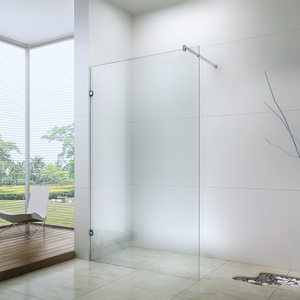
Heavy-duty 8mm to 10mm safety tempered glass panel equipped with corrosion-resistant 304 stainless steel adjustable stabilizer bars. Features hydrophobic easy-clean coating.
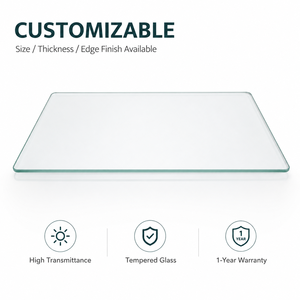
High-grade optical clarity float-processed glass with custom tempering parameters. Designed for modern commercial partitions, exterior facades, and high-load structural glazing.
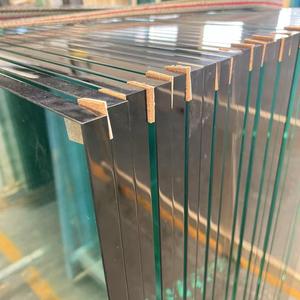
Low-iron content glass matrix offering supreme color neutrality and edge brilliance. Engineered for industrial solar applications, luxury shower enclosures, and museum displays.
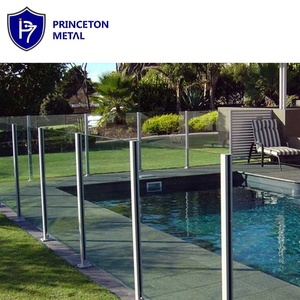
Architectural-grade safety glass barrier system combining heavy-gauge heat-treated glass panels with structural aluminum post channels for outdoor pool and balcony enclosures.
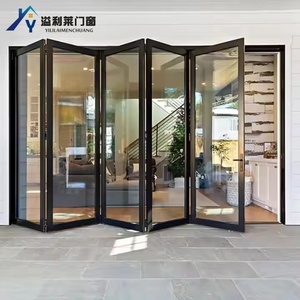
Acoustically insulated bi-fold glass panel wall system for luxury villas and commercial venues. Integrates thermal-break aluminum frames with dual-pane insulated tempered glass.
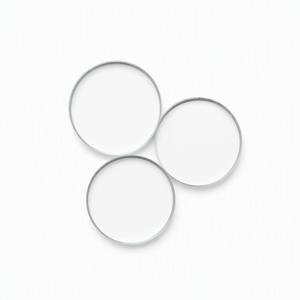
Ultra-rugged synthetic sapphire and chemical-strengthened glass panels offering supreme scratch resistance (Mohs 9), extreme thermal shock tolerance, and maximum optical fidelity.
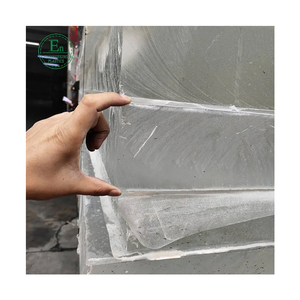
Virgin MMA cell-cast acrylic sheets and cylindrical tubes ranging from 100mm to 800mm. Provides 93% optical clarity, half the weight of glass, and high chemical impact tolerance.
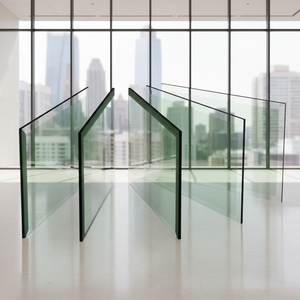
Large-format structural float glass panels fabricated for architectural facades, skylights, curtain walls, and interior staircases. Heat-soak tested to eliminate nickel sulfide spontaneous breakage risk.
In modern architectural engineering and high-tech industrial manufacturing, specifying the correct glass panel composition is a critical structural decision. Glass is no longer treated merely as a transparent barrier; it functions as a load-bearing architectural skin, thermal insulator, acoustic barrier, and high-transmission optical substrate. When sourcing from global manufacturers and exporters, enterprise procurement officers and project engineers must evaluate suppliers across strict technical parameters—ranging from float glass chemistry and tempering furnace calibration to CNC edge finishing precision and packaging durability.
The global glass panel export landscape requires deep adherence to international safety certifications. Fully tempered glass panels must comply with ASTM C1048 (Kind FT) in North America, EN 12150-1 across the European Union, and AS/NZS 2208 in Australasia. These standards regulate surface compression stress levels—requiring tempered glass to maintain minimum surface compressive stress of 69 MPa (10,000 psi), and typically exceeding 90 MPa in premium structural applications to guarantee fragmentation into small, dull-edged particles upon impact.
Information Gain Insight: Spontaneous glass breakage caused by Nickel Sulfide (NiS) inclusions remains a primary liability in high-rise curtain wall projects. Elite glass exporters perform mandatory Heat Soak Testing (HST) according to EN 14179-1, heating tempered glass to 290°C (±10°C) for several hours to accelerate phase conversion of alpha-NiS to beta-NiS, intentionally breaking compromised panels in the factory rather than on the jobsite.
Founded on decades of precision engineering and heritage glass craftsmanship, our integrated production network operates under full end-to-end quality control. Unlike basic trading intermediaries, direct glass panel manufacturing involves cutting-edge automated glass processing lines starting directly from raw float glass ribbon selection.
Every step of the fabrication process takes place under one controlled roof:
Selecting the optimal glass material requires balancing mechanical strength, thermal transmittance (U-value), solar heat gain coefficient (SHGC), and optical transparency.
| Glass Panel Category | Mechanical Strength (MPa) | Optical Transmittance (%) | Thermal Shock Resistance | Primary Commercial Application |
|---|---|---|---|---|
| Standard Clear Float Glass | 40 - 50 MPa | 88% - 89% | Up to 60°C ΔT | Interior window sashes, small framed mirrors |
| Fully Tempered Safety Glass | 120 - 200 MPa | 88% - 90% | Up to 220°C ΔT | Shower doors, glass railings, frameless doors |
| Low-Iron Ultra-Clear Glass | 120 - 200 MPa (Tempered) | 91.5% - 92% | Up to 220°C ΔT | Photovoltaic solar modules, luxury shopfronts, displays |
| SGP Laminated Structural Glass | > 250 MPa (Composite) | 86% - 89% | Up to 150°C ΔT | Hurricane protection, glass floors, canopy roofs |
| Synthetic Sapphire Glass | > 900 MPa (Mohs 9) | 92% - 98% (AR coated) | Up to 500°C ΔT | Industrial viewports, military optics, watch crystals |
| Cell-Cast Acrylic Sheet | 70 - 80 MPa (Tensile) | 92% - 93% | Up to 80°C ΔT | Acoustic barriers, deep tubes, lightweight displays |
As net-zero building regulations and advanced electronics reshape global demands, the glass manufacturing sector is undergoing rapid technological evolution. Global procurement teams must anticipate these key technological shifts over the coming decade.
Driven by EU Carbon Border Adjustment Mechanisms (CBAM), major glass exporters are transitioning to electric-hybrid melting furnaces and green hydrogen firing. Future glass panel procurement will heavily evaluate embodied carbon metrics (kg CO2/m2) and Environmental Product Declarations (EPDs).
Building Integrated Photovoltaics (BIPV) are replacing traditional curtain wall panels. Micro-thin solar cells integrated into laminated glass structures allow high-rise building envelopes to generate electricity without sacrificing visual aesthetics or structural integrity.
Replacing bulky triple-glazed units, Vacuum Insulating Glass utilizes a 0.2mm vacuum gap held by microscopic pillars to achieve thermal insulation values equivalent to solid brick walls (U-values < 0.60 W/m2K) within slim 8mm to 10mm glass profiles.
Dynamic glass panels with micro-thin metal oxide coatings tint automatically in response to solar radiation or electrical current. This eliminates interior shading requirements while reducing HVAC cooling loads by up to 30% in commercial spaces.
The primary concern for global glass panel buyers is transit damage and atmospheric moisture staining (glass mold). A reliable glass exporter must implement specialized international transport protection:
Built from solid plywood or ISPM-15 compliant treated timber, engineered to withstand side loading and ocean container movement.
Polyethylene inter-layer powder or mildew-proof paper sheets prevent direct glass-to-glass chemical friction and eliminate water condensation staining.
Crates are secured within Open Top or Hard Top containers using heavy-duty steel belts and industrial dunnage airbags to eliminate pitch and roll movement.
Before issuing an L/C or T/T deposit to international glass exporters, verify the following verification documents:
Expert answers to essential technical, logistical, and customization questions asked by commercial contractors, distributors, and structural engineers.
Fully Tempered Glass undergoes rapid cooling, resulting in surface compression of 69 to 150+ MPa. When broken, it disintegrates into small harmless dice. Heat-Strengthened Glass is cooled more slowly, yielding surface compression of 24 to 52 MPa. It is roughly twice as strong as float glass and breaks in larger radial cracks, retaining residual frame strength, making it ideal for curtain walls where post-breakage retention is required.
No. Once glass has undergone thermal tempering, any attempt to cut, saw, drill, or edge-grind will disturb the surface stress equilibrium, causing the entire panel to shatter instantly. All cutting, hole drilling, notch routing, and edge polishing must be completed 100% prior to furnace tempering.
Utilizing CNC automatic cutting and double-edging production lines, our standard dimensional tolerance for panels under 2000mm is ±0.5mm. For oversized architectural panels exceeding 3000mm, tolerances are maintained within ±1.0mm, comfortably surpassing ASTM C1048 industry standard allowances.
Standard clear float glass contains natural iron oxide impurities that create a noticeable green tint, especially visible along panel edges or when laminated in thick layers. Low-Iron glass reduces ferric content by up to 90%, yielding crystal-clear transparency, true color rendition, and higher light transmittance (>91.5%).
Standard custom tempered glass panel orders are typically processed within 10 to 15 business days following engineering drawing approval. Laminated, insulated, or complex silk-screen printed orders require approximately 15 to 20 business days. Accelerated freight schedules can be arranged for time-sensitive commercial building projects.
SGP (SentryGlas) interlayers are 5 times stiffer and up to 10 times stronger than standard PVB interlayers. SGP laminated glass exhibits higher shear modulus and minimal deflection under high wind loads or hurricane impacts, allowing engineers to design thinner glass configurations with open-edge exposures.
Request engineering consultation, product samples, or factory-direct price estimates for your upcoming architectural or industrial project.