Thermal Break
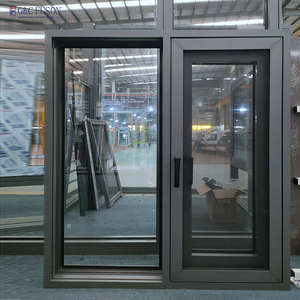
Fuson Thermal Break Aluminum Double Glazing French Window & Triple Glazed Casement
- Multi-Point Perimeter Locking Gearbox
- Triple-Glazed Low-E Argon Gas Fill

Explore our top-rated factory-direct architectural casement, French entry, and heavy-duty sliding systems integrated with commercial-grade multi-point locking gearboxes and anti-burglary hardware.
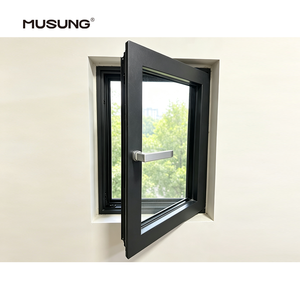
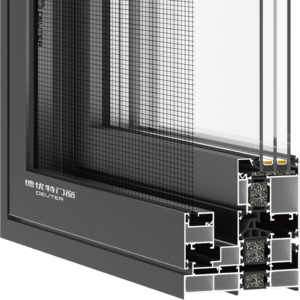
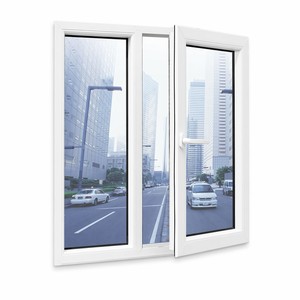
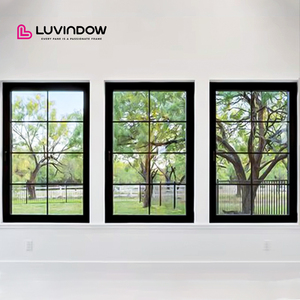
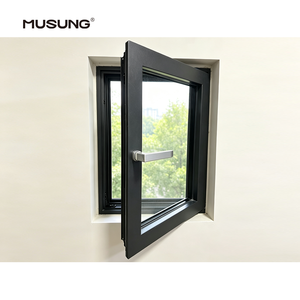
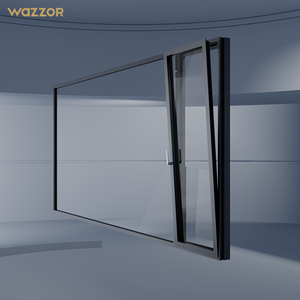
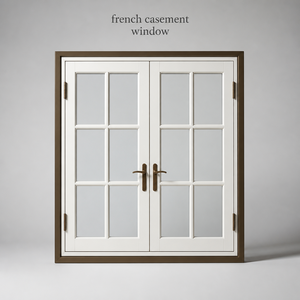
The global security hardware and door lock manufacturing industry is undergoing a structural transition driven by urbanization, stringent building security protocols, energy conservation codes, and smart home IoT integration. When procurement managers, real estate developers, and commercial contractors search for the Top 10 Door Locks Factory & Suppliers, the technical requirements extend far beyond basic mechanical cylinders. Today's procurement paradigm demands comprehensive structural integrity, multi-point lock synchronization, hurricane impact resistance, and seamless architectural profile integration.
Core Sourcing Principle: High-security fenestration is only as resilient as its weakest mechanical point. Modern commercial doors and architectural casement windows require dual-actuation gearboxes, anti-snap cylinders, and structural alloy housing capable of enduring severe forced entry and adverse environmental conditions.
Whether sourcing mortise lock bodies, biometric smart deadbolts, or integrated perimeter multi-point locking mechanisms for thermal break aluminum and UPVC profile doors, evaluating factory capabilities requires rigorous inspection of raw material purity, surface finishing electroplating standard, and cycle-lifespan testing metrics.
To establish a reliable vendor selection framework, procurement teams must audit suppliers against internationally recognized engineering standards:
| Security Standard | Testing Parameter | Minimum Acceptable Metric | Ideal Application |
|---|---|---|---|
| ANSI/BHMA A156.2 | Operational & Cycling Durability | 800,000 Cycles (Grade 1 Heavy Duty) | High-Traffic Commercial & Institutional Entryways |
| EN 12209 / PAS 24 | Mechanical Resistance & Anti-Snap | Multi-point engagement with drill-resistant plate | European Residential & High-Security Apartments |
| ASTM B117 | Salt Spray Corrosion Resistance | 1,000 Hours Neutral Salt Spray (NSS) | Coastal & High-Humidity Marine Environments |
| ASTM E1886 / E1996 | Impact & Cyclic Wind Pressure | Missile Level D (50 ft/s impact rating) | Hurricane Zones & Impact Villa Projects |
How advanced metallurgy, electronic access protocols, and modular profile engineering are defining the next generation of door lock manufacturing.
Modern door lock factories are shifting from isolated mechanical cylinders to hybrid electronic mortise gearboxes. Featuring Zigbee 3.0, Matter protocol over Thread, and biometrics (3D facial recognition and capacitive fingerprint sensing), these locks integrate seamlessly into commercial building management systems (BMS).
As minimalist architectural designs dominate high-end residential projects, hardware manufacturers are engineering ultra-thin perimeter locking gearboxes. These multi-point lock rods fit into narrow 15mm-20mm extrusion grooves of thermal break aluminum doors without compromising structural shear strength.
Replacing legacy hexavalent chromium plating, advanced PVD (Physical Vapor Deposition) and multi-layer electro-galvanized coatings ensure door lock trim and lock bodies resist coastal salt spray for over 1,000 hours while adhering to strict EU REACH environmental regulations.
B2B buyers, wholesalers, and project managers must adapt their sourcing strategies to align with evolving market dynamics over the next decade. Based on empirical trade data and manufacturing metrics, four macro-purchasing trends are reshaping factory supply chains:
Historically, developers purchased door profile extrusions from one manufacturer and lock hardware from separate third-party vendors. This fragmented model frequently caused tolerance misalignments, sash sag, and compromised air/water tightness. The modern industry trend favors integrated suppliers—such as Coastal Industries—where profile extrusion, glass insulated units, and multi-point locking gear are pre-engineered, assembled, and calibrated in a unified facility under one roof.
Large-scale commercial developments and multi-family residential complexes require sophisticated master keying systems (MK, AMK, GMK capabilities) and modular cylinder cores. Factories capable of offering rapid-turnaround custom keying, interchangeable cores (IC), and anti-drill tungsten carbide inserts are securing the largest market share in North American and European tenders.
With global green building certifications (LEED, Passive House, BREEAM) enforcing strict envelope thermal performance, lock hardware plays a crucial role. Multi-point locking systems must pull the door sash firmly against continuous EPDM rubber gaskets, eliminating air infiltration and ensuring low U-factors across extreme hot and cold weather cycles.
Operating out of our dedicated facility at 77 Newark Street in Haverhill, Massachusetts since 1973, Coastal Industries, Inc. represents the benchmark in american-made craftsmanship, custom window/door assembly, and high-security hardware integration.
Every profile cut, corner weld, insulated glass unit, and multi-point lock fitting happens under our direct supervisory oversight.
We eliminate standard catalog limitations. All units and lock locations are custom-built to exact field dimensions recorded by licensed specialists.
Backed by decades of field performance, our manufactured vinyl products, glass packages, and locking mechanisms carry full written warranty coverage.
MA HIC License #189563 registered contractor status, supporting B2B builders, commercial contractors, and regional distributors direct.
Clear, technical answers to common questions asked by B2B buyers, architectural specifiers, and hardware distributors.
A traditional single deadbolt secures the door panel at a single central point along the jamb. In contrast, a multi-point lock system engages multiple locking bolts, hooks, or roller cams along the top, middle, and bottom of the frame simultaneously when activated by a single handle or cylinder. This distributes force evenly across the structural frame, drastically improving forced-entry resistance (PAS 24 / ANSI Grade 1), enhancing air-tight seal compression, and preventing door sash warping over time in extreme climates.
Salt spray testing under ASTM B117 measures how effectively protective surface finishes (such as electro-galvanization, PVD, or powder coating) resist chemical oxidation and red rust. Standard interior hardware undergoes 24 to 96 hours of salt spray testing. However, coastal or heavy commercial hardware requires 500 to 1,000 hours of Neutral Salt Spray (NSS) testing to guarantee that external lock handles, strike plates, and internal gearboxes will not seize or corrode when exposed to harsh marine environments.
Yes. Advanced aluminum profile doors can be factory-milled with dedicated lock mortise pockets to accommodate smart electronic lock bodies. These units feature motorized latches, keypad entries, RFID access, and wireless integration (Zigbee, Matter, BLE) while maintaining the thermal break barrier inside the extrusion core. It is vital to coordinate lock dimension templates during the shop drawing phase to ensure proper wiring channels and strike plate alignment.
When conducting a factory audit, B2B buyers should inspect: 1) Raw Material Certification (chemical analysis of solid brass, 304/316 stainless steel, or zinc alloy ingots); 2) Automated Mechanical Cycle Testers checking handle depression and deadbolt extension durability over 200,000+ cycles; 3) Key Combination Precision (verifying cylinder pin tolerance to prevent key interchange errors); and 4) Spectrophotometric Color Consistency testing across anodized or electroplated batch runs.
Standard in-house manufactured assemblies usually carry lead times of 2 to 4 weeks depending on order volume and finish specs. Custom OEM/ODM hardware tooling, specialized keyway profiling, or custom extrusion dies typically require 6 to 8 weeks for initial prototyping, testing, and mass production rollout. Minimum order quantities vary by item complexity, but flexible procurement programs exist for commercial project schedules.
Whether you require custom-sized multi-point lock casement assemblies, hurricane-impact villa doors, or specialized OEM procurement assistance, our engineering team is standing by to assist with your technical specs and quotation requirements.
Contact Us