
Explore our industrial-grade, custom-manufactured vinyl sliding doors, entrance systems, and architectural patio profile assemblies engineered for global distributors, developers, and wholesale buyers.
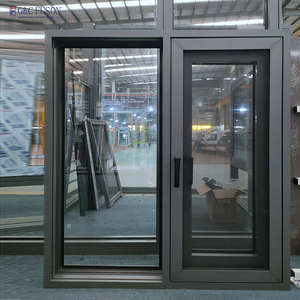
Engineered multi-chamber vinyl frame with internal aluminum alloy reinforcement for maximum thermal efficiency and acoustic dampening.
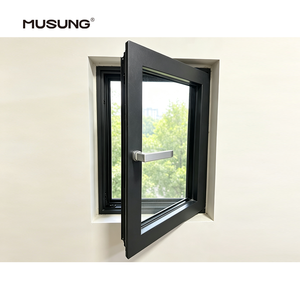
Heavy-duty uPVC extrusion profiles coated with UV-resistant titanium dioxide compounds for extreme weather resistance and zero yellowing.
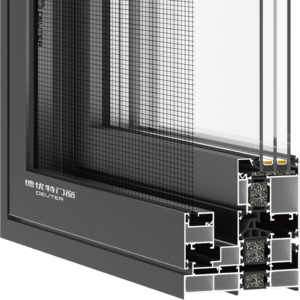
Specially formulated structural vinyl profiles featuring laminated safety glass packages built for hurricane zones and high-security villa projects.
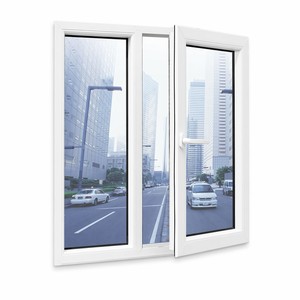
Multi-cavity European chamber architecture designed for maximum noise reduction up to 45dB, ideally suited for urban developments.
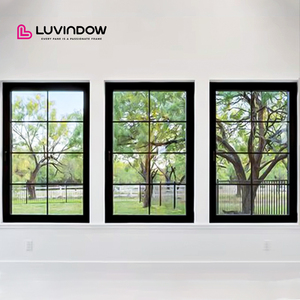
Modern minimalist visual design utilizing co-extruded acrylic capping for enduring color retention and heat dissipation on dark profiles.
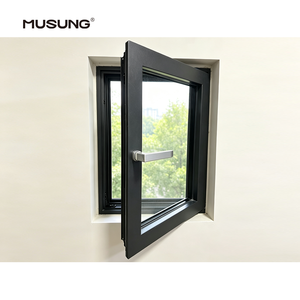
Precision-engineered sliding door assemblies featuring dual smooth-glide stainless steel rollers and thermal barrier threshold design.
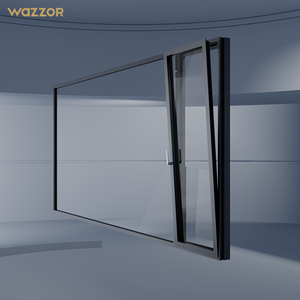
Designed to withstand extreme wind loads exceeding 3000 Pa, with pressure-equalized drainage tracks and heavy-wall vinyl extrusion.
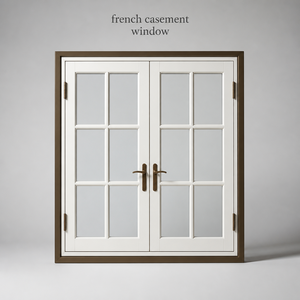
Classic aesthetics combined with contemporary polymer technology, featuring internal decorative glass bars and dual tempered safety glass.
In modern commercial and high-end residential architecture, the selection of fenestration materials plays a decisive role in building envelope energy conservation, structural resilience, and long-term operating costs. As leading Custom OEM Vinyl Doors Manufacturers & Suppliers, our engineering standards are grounded in material science and structural precision. Unlike standard off-the-shelf doors, original equipment manufacturer (OEM) custom vinyl doors are specified to meet exact structural load profiles, solar heat gain coefficients (SHGC), and specific acoustic transmission loss metrics required by regional building codes worldwide.
Our vinyl profiles are extruded using proprietary high-impact uPVC compounds. Unplasticized PVC provides superior stiffness, chemical inertness, and flame resistance compared to plasticized variants. By engineering internal multi-chamber geometry, we create dead-air spaces that dramatically reduce conductive heat transfer. Combined with internal steel reinforcements, these profiles achieve exceptional structural design pressure (DP) ratings required for coastal hurricane zones and multi-story commercial installations.
Engineered internal air cavities break thermal pathways, significantly lowering total U-Factor values while enhancing frame structural rigidity.
Minimum 8 to 10 parts per hundred resin (PPHR) of micro-refined TiO2 protects profiles against UV degradation and thermal stress cracking.
Thermally fused frame and sash corners create an uninterrupted continuous structural monolithic joint, guaranteeing 100% water and air tightness.
Compare the engineering metrics of our custom OEM vinyl door profile series against traditional wood and standard non-thermal aluminum systems:
| Performance Metric | High-Grade OEM uPVC Vinyl | Thermal Break Aluminum | Traditional Hardwood |
|---|---|---|---|
| Thermal Conductivity (K-Value) | 0.13 W/m·K (Superior Insulation) | 160 W/m·K (Requires Thermal Strip) | 0.15 W/m·K (Good Thermal Insulation) |
| Air Infiltration Rate (ASTM E283) | < 0.05 cfm/ft² (Hermetically Sealed) | 0.10 cfm/ft² | 0.20 cfm/ft² (Prone to Frame Shrinkage) |
| Acoustic Isolation (STC Rating) | STC 38 – STC 45 (Multi-Chamber) | STC 32 – STC 38 | STC 30 – STC 34 |
| Maintenance & Service Life | Zero Paint, Rot-Free, 30+ Years | Anodized/Coated, 25+ Years | High Maintenance (Sanding/Varnish) |
| Coastal Resistance (Salt Fog ASTM B117) | 10,000+ Hours (No Degradation) | Requires Special Marine Coating | High Susceptibility to Moisture Decay |
As global energy codes (such as the EU Energy Performance of Buildings Directive and US ENERGY STAR® Version 7.0 standards) tighten, the commercial procurement landscape for vinyl doors is undergoing a seismic shift. B2B buyers, architectural specifiers, and large-scale distributors are shifting procurement criteria from pure unit cost to life-cycle cost analysis, embodied carbon footprint, and automated smart-home integration compatibility.
Key procurement vectors currently shaping high-volume OEM manufacturing contracts include:
Leading supply chains now demand profile cores built from recycled post-industrial uPVC paired with virgin outer caps, maintaining pristine aesthetics while reducing embodied carbon by up to 40%.
Procurement bids increasingly specify 44mm to 52mm thick insulated glass units (IGUs) incorporating dual Low-E coatings, krypton gas fills, and warm-edge structural spacers.
OEM vinyl frames are now custom-milled during extrusion to accommodate concealed multi-point motorized locks, electronic keypads, and embedded magnetic contact sensors for modern smart buildings.
The technological evolution of vinyl fenestration has surpassed the performance constraints of early PVC formulations. Today's custom OEM manufacturing leverages robotics, advance surface chemistry, and structural simulation software to produce ultra-durable door systems.
A. Advanced Surface Laminates and PMMA Capping: A major historical drawback of dark-colored vinyl frames was solar heat absorption resulting in profile warping. Modern OEM factories utilize Cool Colors PMMA (polymethyl methacrylate) foil lamination and acrylic co-extrusion. These specialized layers reflect up to 80% of total solar energy, enabling deep black, anthracite gray, and architectural bronze finishes even in desert climates.
B. Structural Fiber Reinforcement (Steel-Free Vinyl): To minimize thermal bridging caused by traditional steel internal reinforcements, cutting-edge OEM manufacturers are co-extruding continuous glass fibers directly into the uPVC matrix. This continuous composite technology reduces overall frame weight while delivering equivalent structural deflection ratings.
C. Automated Warm-Edge Spacer Application: Thermoplastic Spacer (TPS) technology applied via automated robotic extrusion onto glass panes replaces traditional aluminum box spacers. TPS eliminates thermal conductive pathways at the IGU perimeter, preventing condensation build-up in high-humidity indoor environments.
Operating from our own 77 Newark Street manufacturing plant in Haverhill, Massachusetts since 1973, Coastal Industries, Inc. (and our verified global manufacturing partners) represents half a century of unbroken expertise in custom fenestration engineering.
Because we control the raw profile cutting, continuous fusion welding, insulated glass assembly, and hardware integration under one roof, our OEM clients receive unparalleled quality control. Units are fabricated to exact 1/8-inch opening dimensions, eliminating field fitting delays for commercial builders and distributors.

Technical and logistical answers for distributors, architects, and purchasing agents.
Our OEM supply programs support flexible volume arrangements depending on profile customization. Standard stock vinyl door profiles carry low MOQs (typically starting at 50 units for project-based orders), whereas proprietary custom profile extrusion dies require a dedicated production run of 5 to 10 metric tons of uPVC resin. Contact our engineering team to review tool/die creation costs and amortized schedule options.
High structural design pressure (DP50 to DP70+) is achieved through heavy-wall thick uPVC chamber designs paired with internal galvanized steel reinforcement channels (ranging from 1.5mm to 2.5mm gauge). Steel channels are secured within the vinyl profile using specialized self-drilling structural screws, ensuring the frame resists positive and negative wind loads without permanent deflection.
Yes. We offer three primary color finishing technologies: 1) High-durability acrylic co-extrusion for solid modern shades like matte black and dark anthracite; 2) European exterior-grade RENOLIT or Continental foil laminations featuring tactile natural wood grains (Oak, Walnut, Mahogany); and 3) Hydrophobic fluoropolymer spray coatings engineered for custom RAL color matching.
All glass units are manufactured in-house or sourced directly from certified float glass leaders. Glazing options include dual or triple pane tempered safety glass, sound-dampening laminated acoustic glass (PVB/SGP interlayers), high-performance double Low-E coatings (soft-coat), argon or krypton gas insulation, and obscure privacy glass options.
Our OEM fabricated vinyl door profiles carry a limited lifetime warranty covering structural profile cracking, flaking, peeling, and blistering under normal atmospheric conditions. Insulated glass units carry a 10 to 20-year seal failure warranty, while hardware components carry warranties ranging from 5 to 10 years depending on salt-spray exposure ratings.
Partner directly with an established manufacturer. Request detailed technical drawings, certified test reports, or a competitive factory-direct quote tailored to your OEM spec schedule.
Send an Inquiry