
Engineered for commercial, multi-family, and luxury residential projects meeting international building codes (AS2047, ASTM, NFRC, CE).
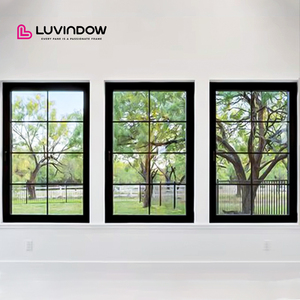
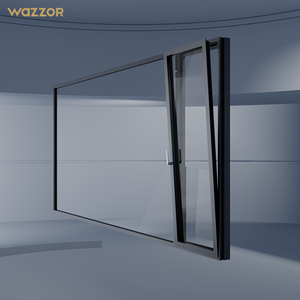
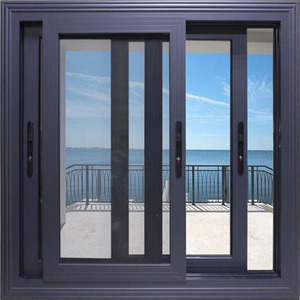
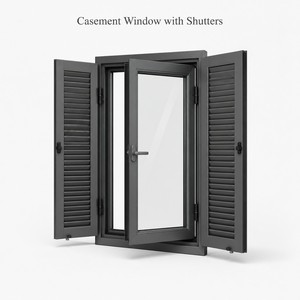
The global architectural fenestration market has experienced a paradigm shift toward high-performance aluminum window and door systems. As international building codes mandate stricter U-factors, solar heat gain coefficients (SHGC), and hurricane-impact ratings, Chinese aluminum window manufacturers have evolved from low-cost assemblers into fully integrated technology powerhouses. By combining state-of-the-art extrusion lines, automated CNC machining, custom polyamide thermal break strip insertion, and multi-chambered structural engineering, leading OEM/ODM suppliers deliver commercial and residential glazing systems that meet or exceed Western standards—at a fraction of traditional procurement costs.
Sourcing directly from tier-1 Chinese aluminum window factories provides structural B2B advantages that streamline project lifecycles, eliminate middleman markups, and safeguard structural engineering compliance:
From raw primary aluminum billet casting (6063-T5 / 6063-T6 alloys) to precision extrusion, anodizing, powder coating, and thermal break assembly under a single roof. This minimizes tolerances to ±0.1mm and ensures uninterrupted lead times.
In-house laboratory testing units execute continuous cycles for air infiltration (ASTM E283), water penetration resistance (ASTM E331), structural wind load performance (ASTM E330), and severe hurricane impact missile testing (TAS 201/202/203).
Complete engineering support for architectural CAD/BIM shop drawings, custom extrusion die creation, specialized AkzoNobel/PPG powder coatings, ultra-thin minimal sightlines, and multi-track configurations engineered precisely to project schedules.
Choosing the optimal window system depends on climate zoning, building height, structural wind loads, and desired acoustic performance. The matrix below outlines the primary technical configurations manufactured across China's wholesale hubs.
| System Type | Profile Wall Thickness | Thermal Break Tech | Glass Configuration | Acoustic Rating (STC) | Target Applications |
|---|---|---|---|---|---|
| Heavy-Duty Casement | 1.8mm – 2.2mm | PA66GF25 Polyamide Strips (24mm–34mm) | 5mm+12Ar+5mm Low-E Tempered | 38 – 45 dB | Coastal Villas, High-Rise Commercial, Typhoon Zones |
| Slimline Architectural Sliding | 1.4mm – 2.0mm | Integrated Technoform Isolator | 6mm+16Ar+6mm Triple Silver Low-E | 35 – 40 dB | Modern Luxury Homes, Panoramic Balconies |
| Tilt & Turn European Standard | 2.0mm – 3.0mm | Multi-Chamber Insulation Foam Injection | 4mm+12Ar+4mm+12Ar+4mm Triple Glaze | 42 – 48 dB | Cold Climates, Passive House Projects, Urban Apartments |
| American Style Double-Hung | 1.4mm – 1.8mm | Dual-Density Thermal Break | 5mm+9Ar+5mm Argon Filled Low-E | 32 – 36 dB | Residential Retrofits, Traditional Single-Family Homes |
| Hurricane Impact System | 2.5mm – 3.2mm | Reinforced Structural Steel Core + PA66 | 6mm + 1.52PVB + 6mm Laminated Insulated | 45 – 50 dB | Florida/Caribbean Coastal, High-Wind Velocity Zones |
Ensure your Chinese supplier utilizes prime 6063-T5 or T6 structural aluminum alloy. Substandard manufacturers may mix recycled aluminum scrap, which drastically compromises tensile strength, accelerates oxidation, and causes premature structural fatigue under extreme wind pressures.
How evolving global regulations, sustainability demands, and technological innovations are transforming wholesale window sourcing.
With the implementation of the EU Carbon Border Adjustment Mechanism (CBAM) and global ESG disclosure requirements, enterprise buyers are prioritizing manufacturers utilizing hydro-powered aluminum smelting. Sourcing aluminum extruded with under 4.0 kg CO2/kg Al allows builders to meet stringent net-zero carbon targets.
Modern off-site construction methods demand sub-frame pre-assembly systems. China's top manufacturers now export complete unitized curtain wall modules and window assemblies featuring pre-attached flashing fin brackets, customized expanding foam tapes, and dry-glazing gaskets, drastically cutting field labor costs by up to 40%.
Procurement schedules are rapidly shifting toward electrochromic dynamic smart glass (PDLC tinting), motor-actuated chain winders controlled via smart home protocols (Zigbee/KNX), and integrated rain/wind sensors that close windows automatically during storm events.
Furthermore, digital supply chain integration has changed factory verification. Enterprise buyers no longer rely solely on static PDF specification sheets. Leading Chinese producers utilize digital twin tracking, automated robotic assembly verification, and 3D laser scan testing to ensure every window frame leaving the factory matches exact CAD parameters within sub-millimeter tolerances.
The architectural demand for maximum natural daylight and seamless indoor-outdoor transitions has pushed aluminum profile engineering to new limits. Here are the core technical breakthroughs driving current product development:
By utilizing high-tensile 6063-T6 aluminum alloys and structural silicone structural glazing (SSG) techniques, frame face widths have been reduced down to 18mm–25mm. Outer frames can be completely concealed within floor-to-ceiling drywall pockets without sacrificing wind pressure resistance.
To eliminate thermal bridging in extreme cold climates, manufacturers are replacing traditional argon gas spaces with Vacuum Insulated Glass (VIG). Combined with aerogel-filled extruded aluminum internal chambers, windows achieve thermal performance equivalent to solid insulated walls (U-values below 0.6 W/m²K).
Developments in PVDF (Polyvinylidene Fluoride) coatings and QUALICOAT Class 2/Class 3 super-durable powder systems ensure 25+ year color stability against harsh UV radiation, salt spray corrosion in coastal areas, and chemical pollutants.
Addressing critical technical, logistics, and quality assurance queries raised by global builders, architects, and importers.
Depending on your regional building code, you should require specific test reports: North America demands NFRC (thermal performance), AAMA/WDMA/CSA 101/I.S.2/A440, and Florida Product Approval / Miami-Dade NOA for hurricane zones. Australia requires AS2047 and AS1288 certification from accredited NATA labs. Europe requires CE marking (EN 14351-1). Always request full test certificates directly from the lab, not just factory self-declarations.
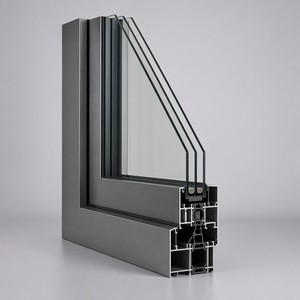
Standard aluminum is a highly conductive metal, meaning heat quickly transfers through the frame, causing energy loss and interior condensation. Thermal break windows utilize a continuous reinforced polyamide strip (PA66GF25) inserted between the inner and outer aluminum extrusions. This breaks the conductive path, reducing thermal conductivity by up to 70% and drastically lowering heating/cooling costs.
Standard OEM/ODM MOQs typically start at 50 to 100 square meters for standard stock extrusion colors (Black, White, Dark Grey). For custom extrusion dies or unique RAL color powder coatings, MOQs are usually dictated by weight (e.g., 1 to 3 metric tons of extrusions). Lead times range from 15 to 25 days for production, plus shipping transit time (typically 14-30 days depending on the destination port).
Professional manufacturers utilize heavy-duty export packaging protocols. Windows are individually wrapped with protective polyethylene film, corner guards, and bubble wrap, then loaded into fully enclosed, ISPM-15 compliant fumigated plywood crates or steel A-frame racks. Crates are secured inside ocean shipping containers with heavy-duty polyester strapping and air bags to prevent shifting during transit.
Yes. Leading factories feature automated vertical coating lines certified by AkzoNobel or PPG. Buyers can specify any standard RAL color code, textured matte finishes, metallic anodized looks, or 3D heat-transfer timber wood grain finishes that replicate natural hardwood while maintaining all structural advantages of aluminum.
Quality manufacturers offer both premium Chinese brand hardware (such as Kin Long, HOPO, Chuang) and top-tier European hardware systems (such as German Siegenia, ROTO, GU, or Italian Giesse). Specifying multi-point locking mechanisms is strongly recommended to achieve maximum air tightness, water resistance, and forced-entry security.