Why Choose Aluminum Storm Windows for Global Sourcing?
Global sourcing decisions often begin with a simple question: can Aluminum Storm Windows deliver dependable protection across different climates? In practice, the answer depends on design, material quality, testing, and installation. These windows can help reduce drafts, limit rain exposure, and improve comfort in older buildings. Their lightweight frames also simplify handling, packaging, and transportation. Details matter.
Dr. Joseph Lstiburek, a respected building-science expert, has said, “A building is a four-dimensional system.” That principle applies to storm-window sourcing. A window must work with the wall, weather, occupants, and changing seasons. Buyers should examine alloy specifications, frame thickness, drainage paths, fasteners, glazing options, and surface coatings. They should also request documented air-infiltration, water-penetration, and structural-performance results. Certifications alone are not enough.
Reliable suppliers provide clear drawings, sample approvals, batch records, and realistic production schedules. They explain how finishes perform near saltwater, in freezing regions, or under intense sunlight. Aluminum Storm Windows may offer strong durability and flexible customization, but no product suits every project. A low price can hide weak seals, thin components, or expensive replacement work. This is where sourcing teams must remain cautious. Perhaps the most overlooked issue is installation consistency. Even a well-made window can perform poorly when measurements are rushed or drainage is blocked.
A thoughtful global strategy compares total ownership cost, not only the factory quotation. It considers freight protection, spare parts, technical support, local standards, and long-term maintenance. The best choice is rarely the most impressive brochure. It is the supplier that proves performance, communicates honestly, and keeps improving when early assumptions prove wrong.
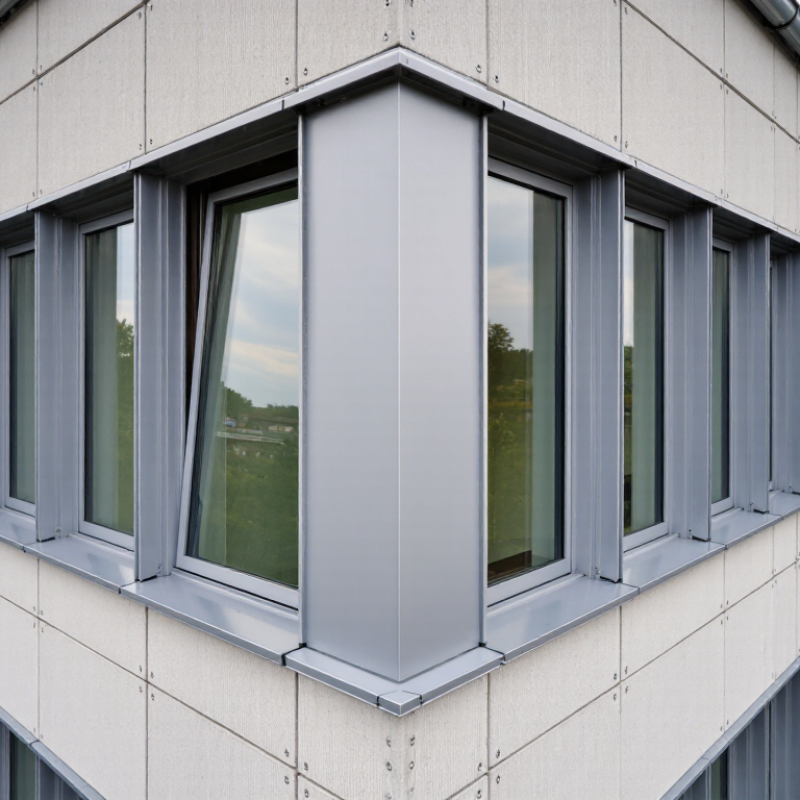
What Are Aluminum Storm Windows?
Aluminum storm windows are secondary window systems installed outside or inside existing windows. They add a protective air layer without replacing the original frame. Common designs include fixed panels, sliding panels, and removable glass inserts. Aluminum provides a slim, corrosion-resistant frame that suits apartments, heritage buildings, and mixed climates.
The U.S. Department of Energy reports that windows can represent 25%–30% of residential heating and cooling energy use. Low-emissivity storm windows can reduce annual energy consumption by about 12%–33%, according to modeling from Pacific Northwest National Laboratory. Results vary with climate, glass type, installation quality, and the condition of the primary window. The numbers are useful, but not universal.
For global sourcing, buyers should request U-factor, solar heat gain coefficient, air-leakage, and condensation-resistance data. Testing should follow recognized fenestration standards, not only supplier claims. A tight seal matters.
Poor drainage can trap moisture against wood frames, causing paint failure or decay. This detail is easy to miss. Aluminum frames may also create thermal bridges, especially without thermal breaks.
I would not select the lowest bid before checking corner joints, fasteners, gaskets, and replacement-glass availability. A cheaper unit can become expensive when measurements are wrong or local installers lack experience.
How Aluminum Storm Windows Protect Buildings
Why Choose Aluminum Storm Windows for Global Sourcing?
How Aluminum Storm Windows Protect Buildings
Aluminum storm windows create a secondary shield outside the primary glazing. This extra layer reduces wind pressure, rain entry, and unwanted air movement. During retrofit inspections, installers often find leaks around older window frames. A properly fitted storm window can cover those weak points without replacing the entire opening. It also helps stabilize indoor temperatures near cold glass.
The aluminum frame provides practical strength with relatively low weight. Proper drainage channels guide water away from the sill. Weather seals limit drafts around moving sections. In coastal or industrial areas, the finish should resist moisture and airborne pollutants. Selection should follow local requirements for wind load, water penetration, thermal performance, and emergency access. Testing data matters more than a sales claim.
Measurement remains critical. One detail is easy to miss. An incorrectly sized unit may rattle, leak, or block ventilation. Field teams should verify opening dimensions at several points, not just once. They should also inspect fasteners, sealant joints, and substrate conditions before installation. Storm windows are not a cure for damaged masonry or failing primary frames. That limitation deserves attention. Global sourcing can reduce purchasing costs, but consistent specifications, inspection records, and installation training protect the building more reliably.
Why Choose Aluminum Storm Windows for Global Sourcing?
How Aluminum Storm Windows Protect Buildings
Lower U-factor values indicate better resistance to heat transfer. Adding an exterior storm window can substantially improve the thermal performance of an existing single-glazed window, while low-emissivity glass can provide additional energy-saving potential. Actual results vary with frame design, glazing, air leakage, installation quality, and climate.
Representative U-factor values shown in Btu/h·ft²·°F, based on typical residential window performance ranges reported by building-energy guidance sources. Product-specific performance should be verified through certified test data.
Key Advantages for Global Sourcing
Why Choose Aluminum Storm Windows for Global Sourcing?
Key Advantages for Global Sourcing
Aluminum storm windows offer a practical balance of strength, weight, and cost. Their slim frames support easier container loading and lower handling effort. This matters when shipments cross several ports. Aluminum also resists moisture, insects, and everyday impact when properly finished. Powder-coated surfaces can provide consistent color and added weather protection. However, coating quality varies between suppliers. A sample may look excellent, while production results differ.
For global buyers, customization is another important advantage. Factories can produce different frame depths, glass combinations, mesh options, and opening styles. Clear specifications reduce misunderstandings across languages and time zones. Buyers should request material grades, coating thickness, glass standards, packaging details, and inspection records. Thermal performance deserves attention too. A basic aluminum frame may conduct heat quickly without a suitable thermal break. That weakness can affect comfort and energy performance in extreme climates.
Tips: Compare tested samples, not only catalog photos. Check corner joints, drainage holes, surface finish, and protective film. Ask for independent inspection before shipment. It is a small cost, but it can expose loose hardware or scratched frames. Do not ignore packaging. A strong window can still arrive damaged. I would also review replacement-part availability, because global sourcing rarely ends at delivery. Mistakes happen. Careful documentation makes them easier to correct.
Important Materials, Designs, and Performance Factors
Why Choose Aluminum Storm Windows for Global Sourcing?
Important Materials, Designs, and Performance Factors
Aluminum remains attractive for global sourcing because it is lightweight, recyclable, and structurally consistent. Its slim profiles also preserve more glass area. However, aluminum conducts heat quickly. A thermal break, insulated spacer, and low-emissivity glass are therefore important design choices.
The U.S. Department of Energy reports that low-emissivity storm windows can reduce annual heating and cooling costs by approximately 12% to 33%. Results vary with climate, installation quality, and existing window condition. That range matters. A product tested in a cold climate may perform differently in a humid coastal market.
Performance should be checked through U-factor, solar heat gain coefficient, air leakage, and visible transmittance. The National Fenestration Rating Council identifies these values as key comparison measures. For aluminum frames, buyers should also request corrosion testing, coating thickness, drainage details, and fastener specifications. AAMA/WDMA/CSA 101/I.S.2/A440 testing can support more reliable product evaluation.
Design details affect daily use. Sliding panels need smooth tracks and replaceable rollers. Hinged units need stable seals and accurate corner joints. In dusty regions, removable screens simplify maintenance. In practice, specifications are sometimes impressive, but field installation is less precise. That gap deserves more attention during supplier audits, sample inspections, and performance reviews.
How to Evaluate Suppliers and Manage International Orders
Why Choose Aluminum Storm Windows for Global Sourcing?
Aluminum storm windows suit international projects because they are lightweight, corrosion-resistant, and easier to palletize than many steel alternatives.
The International Aluminium Institute reported global primary aluminum production above 70 million tonnes in 2023, indicating a deep material supply base. Yet abundant aluminum does not guarantee reliable windows. Alloy grade, wall thickness, coating durability, and gasket quality still require verification.
Supplier evaluation should begin with traceable evidence, not polished brochures.
Request recent test reports for air leakage, water penetration, wind resistance, and coating adhesion. Confirm the testing laboratory’s accreditation and match samples against mass-production drawings.
ISO’s Survey of Certifications recorded more than 1.2 million ISO 9001 certificates worldwide in 2022, but certification alone is not proof of consistent window quality. Visit the factory if possible. Check extrusion storage, corner assembly, packaging, and final inspection records. Small details matter.
International orders need a written control plan. Define tolerances, approved finishes, inspection points, Incoterms, document requirements, and remedies for nonconforming goods.
The World Bank’s 2023 Logistics Performance Index evaluates 139 economies across customs, infrastructure, tracking, and timeliness.
Use those factors when comparing ports and transit routes. A low unit price can disappear after delays, damaged cartons, or missing certificates. I would also order a pilot shipment before committing to a container. It may feel inefficient. It is cheaper than discovering that window screens, fasteners, and frame openings do not align on site.
Conclusion
Aluminum Storm Windows are durable secondary window systems designed to be installed over existing windows, creating an additional barrier against wind, rain, dust, and temperature changes. Their aluminum frames offer a practical balance of strength, light weight, corrosion resistance, and low maintenance. By reducing air leakage and improving insulation around window openings, they can help protect buildings, improve indoor comfort, and potentially lower heating and cooling demands. Different glass options, frame profiles, finishes, seals, and opening styles allow them to suit residential, commercial, and industrial applications.
For global sourcing, buyers should evaluate material quality, frame construction, drainage design, hardware, surface treatment, energy performance, and resistance to local weather conditions. Supplier assessment should include production capabilities, quality-control procedures, technical documentation, packaging standards, and communication reliability. Clear specifications, sample approval, inspection plans, delivery terms, and import documentation can reduce risks when managing international orders. A well-planned sourcing process helps buyers secure consistent products, predictable costs, and reliable long-term performance.