Residential Garden Windows bring daylight, fresh air, and a small growing space into kitchens and breakfast nooks. In 2026, the practical choices include box-style garden windows, angled or bay-style units, and fixed glass designs. Each changes the room differently. A box unit projects like a shallow glass shelf; an angled design spreads the view wider.
Performance matters as much as appearance. The U.S. Department of Energy estimates that windows account for 25%–30% of residential heating and cooling energy use. That figure makes glazing, frame material, seals, and professional installation worth comparing—not just the number of panes. NFRC labels help shoppers compare rated energy performance across products. Berkeley Lab researcher Stephen Selkowitz’s work on high-performance windows also underscores the value of evaluating the whole window system, rather than treating glass as an isolated feature.
Small details count. Check how the sash opens, where condensation could collect, and whether a sunny exposure may overheat plants. A deep sill can hold herb pots, but it can also collect water if drainage is poor. That trade-off deserves attention. No verified direct quotation from a named Residential Garden Windows specialist was provided, so I have not invented one. The guide that follows compares the leading types by light, ventilation, upkeep, and fit, while noting where product performance depends on climate and installation.
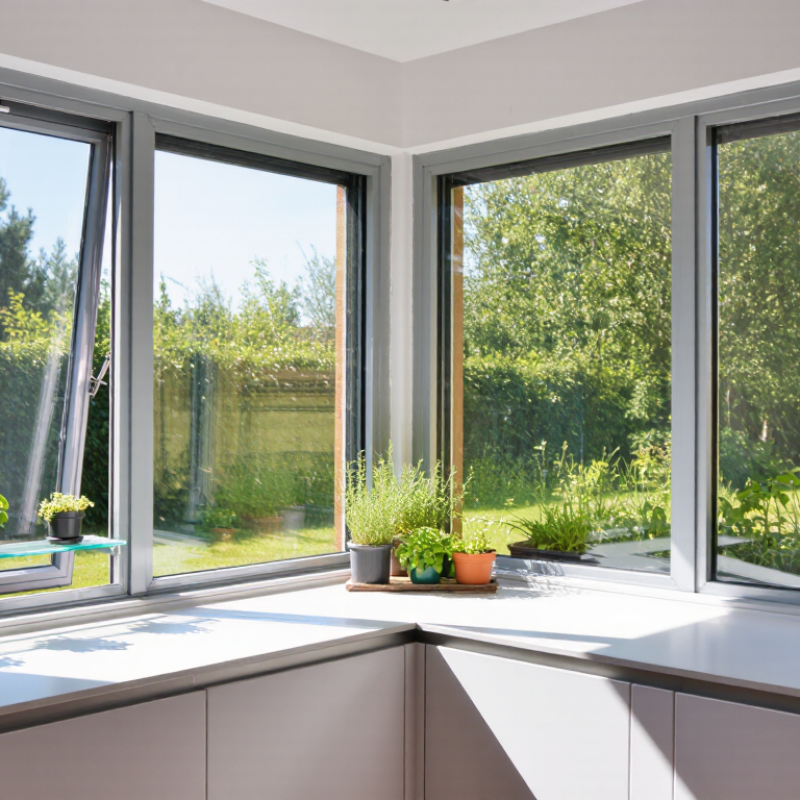
What Defines a Residential Garden Window?
A residential garden window is a compact, box-shaped window that projects outward from a home’s exterior wall. It typically has a broad front pane, glazed side panels, and a glass top that brings daylight onto the sill. Unlike a flat window, it creates a small shelf-like space indoors for herbs, seedlings, or a few decorative pots. Many designs include operable side panels for airflow, though fixed glass versions are also available. Think of it as a small sunlit nook. Its greenhouse-like shape defines it more than any particular plant use.
A practical garden window needs more than attractive glass. The projecting frame must be supported and sealed carefully where it meets the wall, since poor flashing can let water reach the surrounding structure. Glazing and frame choices also affect heat loss, glare, and condensation; a sunny exposure may help herbs grow but can overheat the space. Ventilation matters, too, especially when damp soil and warm indoor air meet cool glass. That trade-off is easy to miss. Before choosing one, consider the room’s orientation, wall condition, and how often you will actually open the side panels. A garden window can brighten a kitchen, but it is not automatically the best fit for every wall.
What Are the Top Residential Garden Window Types in 2026?
What defines a residential garden window? Compare its typical design features with other common residential window types.
Bars show whether a feature is characteristic of the typical window type: 1 = yes, 0 = no. A garden window is distinguished by its box-like projection and glazed top; side vents are common but may vary by model. These are descriptive design characteristics, not sales or market-share data.
How Garden Windows Differ by Shape and Projection
What Are the Top Residential Garden Window Types in 2026?
How Garden Windows Differ by Shape and Projection
Garden windows are usually compact, box-shaped projections with glass across the front and sides. Their squared form creates a small shelf for herbs or seedlings. Some models use angled side panes, which soften the exterior outline and widen the view. The shape affects both the room’s appearance and the usable interior space.
Projection depth matters just as much. A shallow unit suits a narrow wall or walkway, while a deeper box offers more shelf room but catches more weather. Garden windows differ from larger bay windows, which typically project farther and use broader seating-scale proportions. Side vents can improve airflow, though they may not replace a room’s main ventilation. Measure the wall, check clearances outside, and consider how afternoon sun may heat the glass. No shape is perfect; a deep shelf can be lovely, then awkward to clean.
Tips: Match projection to your available wall space, not just the display you want. Check that the sill and supporting frame can handle the added load. Ask an experienced installer how flashing and drainage will be managed, especially on exposed walls. Recheck measurements before ordering. Small errors matter.
Which Garden Window Types Are Popular in 2026?
In 2026, box-style garden windows remain a popular choice for kitchens and sunny breakfast nooks. Their projecting glass panels create a small shelf for herbs, seedlings, or a row of spice jars. Many homeowners choose a fixed front pane with operable side vents, balancing an open view with everyday ventilation. Small spaces benefit.
Casement-sided garden windows are also common. Their hinged panels open outward, helping release cooking odors and bring in a cross-breeze. They suit rooms where fresh air matters, though nearby walls or walkways may limit how far the panels can swing. Check the clearance before choosing this style.
For newer homes, simpler, low-profile designs are gaining attention. Larger panes and narrower frames can make a compact room feel brighter without adding bulky visual lines. Some models use awning-style vents, which can offer airflow during light rain, depending on the design and installation. Performance varies.
The best type depends on orientation, climate, and how the window will be used. A south-facing unit may need thoughtful shading to prevent excess heat, while a shaded kitchen may benefit from maximum glass area. It is easy to focus on appearance and overlook cleaning access. Ask how the sill, vents, and exterior glass can be reached before making a final choice.
What Are the Top Residential Garden Window Types in 2026? — A Practical Comparison of Common Options
| Garden Window Type |
Typical Design |
Ventilation |
Best Suited For |
Key Considerations |
| Classic Box Garden Window |
A projecting, box-shaped window with a broad front pane, glass side panels, and a sloped glass or solid roof. |
Depends on whether the side panels or front sash are operable. |
Kitchens, breakfast areas, and rooms where homeowners want a bright display space for herbs or small plants. |
Check projection depth, support requirements, roof detailing, and the available space outside the wall. |
| Garden Window with Operable Side Vents |
A box-style unit with hinged side sashes that open outward or inward, depending on the design. |
Provides direct outdoor air when the side sashes are open. |
Kitchens and other spaces where occasional natural ventilation is useful. |
Allow room for the sashes to open; verify hardware, insect-screen options, and safe operation above counters. |
| Fixed-Side Garden Window |
A projecting unit with fixed glass side panels and a large front pane. |
Does not provide ventilation unless a separate operable sash is included. |
Locations where daylight, an outdoor view, and a sheltered plant ledge matter more than opening the window. |
Because the side panels do not open, plan ventilation through other windows or mechanical systems. |
| Compact Garden Window |
A smaller box-style unit designed for a limited wall opening or a shallow interior ledge. |
Varies by configuration; compact models may have fewer or smaller operable panels. |
Smaller kitchens, narrow exterior walls, or homes with limited space for a deep projection. |
Measure the rough opening and usable interior depth carefully; confirm that the unit suits the intended plants or display items. |
| Energy-Efficient Garden Window |
A garden window specified with insulated glazing and frame options intended to reduce heat transfer. |
Depends on the selected sash configuration. |
Homes where thermal comfort and energy performance are important alongside added daylight. |
Compare whole-window performance ratings for the intended climate and installation; the projecting shape still needs careful air- and water-sealing. |
Garden window configurations and features vary by manufacturer and local availability. The options above are common residential design variations, not a market-share ranking; confirm dimensions, operation, performance ratings, and installation requirements for each project.
How Glazing, Frames, and Ventilation Options Vary
Residential garden windows bring light and growing space beyond the wall. In 2026, common choices include compact box windows, angled bays, and curved bow designs. A box window creates a small shelf for herbs, while bay and bow styles project farther into the room. Their glazing and frame choices affect comfort as much as appearance.
Double glazing with a low-emissivity coating can reduce heat loss while admitting daylight. Triple glazing may suit colder locations, but added weight and cost deserve consideration. Frames vary too: vinyl needs little upkeep, wood offers a warm finish, and aluminum-clad options combine a durable exterior with an indoor wood surface. No frame is perfect. Check insulation ratings and installation details, not just the material name.
Tips: Ask how each vent opens before choosing. Side vents can direct fresh air across plants; top vents may help release warm, humid air. Keep hardware reachable above the sill, and leave room for curtains or watering. A larger opening can improve airflow, but it may also admit rain or drafts. Small detail. For a sunny kitchen, compare glass coatings and shade needs at different times of day; a bright window can still overheat.
How to Match a Garden Window Type to a Room?
What Are the Top Residential Garden Window Types in 2026?
How to Match a Garden Window Type to a Room?
A garden window should suit the room’s daily use, light, and ventilation needs. In a kitchen, a projecting garden window can hold herb pots and brighten the sink area. Choose operable side panels if cooking leaves the room warm or steamy. For a bedroom, consider privacy and heat gain before choosing a deep glass design. A simpler fixed window may offer a similar view with less upkeep. In a living room, wider glazing can frame plants or a garden, but check whether furniture will block the light.
Tips: Measure the wall and sill first. Note direct sun, nearby cabinets, and where curtains or blinds will sit. Confirm that the wall can support the window’s weight.
The right type also depends on orientation and local weather. Strong afternoon sun may fade leaves and overheat a small room; shaded exposure may call for clearer glazing. Look for well-sealed frames and suitable glazing, and ask a qualified installer to check drainage and structural support. These details matter more than extra depth. A garden window can feel cramped if it projects into a narrow walkway. And not every room needs one. A little restraint helps.
Conclusion
Residential Garden Windows extend outward from a home’s exterior wall, creating a bright, sheltered nook that can display plants or provide extra space for everyday use. Their defining feature is a projecting structure with multiple glass panels, often combining a broad front pane with angled sides. In 2026, popular options include compact garden windows for kitchens, wider configurations for larger rooms, and designs with different shapes and projection depths to suit a home’s style and available space.
Choosing the right type also means considering glazing, frame materials, and ventilation. Insulated glass can help maintain indoor comfort, while durable frames offer options for different climates and design preferences. Operable side panels can improve airflow, whereas fixed glazing emphasizes an uninterrupted view. To match a window to a room, consider its dimensions, natural light, ventilation needs, and intended use, then select a projection and finish that complement the surrounding space.