
Choosing the best exterior storm door begins with your home’s needs, not a showroom display. Exterior Storm Doors can help reduce drafts, protect the entry door from rain, and provide ventilation when the weather is mild. Their performance depends on the door’s fit, construction, and installation. A sturdy frame cannot compensate for gaps around the opening. Small details matter.
Start by checking the doorway’s measurements and the direction it swings. A careful fit helps prevent rubbing and uneven seals. Then consider your climate, how much sunlight reaches the entrance, and whether you want a full-view glass panel or a ventilating screen. In a windy or rainy location, secure latches and weather-resistant materials deserve close attention. If airflow is a priority, look for a screen system that is simple to operate and clean.
Glass can brighten a dim entry, but it may add weight and require regular cleaning. Screens invite fresh air, though they offer less protection from dust and insects when damaged. No single design suits every house. Even a well-reviewed model may feel awkward if its handle, closer, or panel layout does not match daily use. That trade-off is easy to overlook.
This guide will compare key features, materials, ventilation options, and practical installation considerations. It will also explain what to check before buying, so you can weigh comfort, durability, appearance, and budget with realistic expectations. A little measuring now can prevent a frustrating return later.
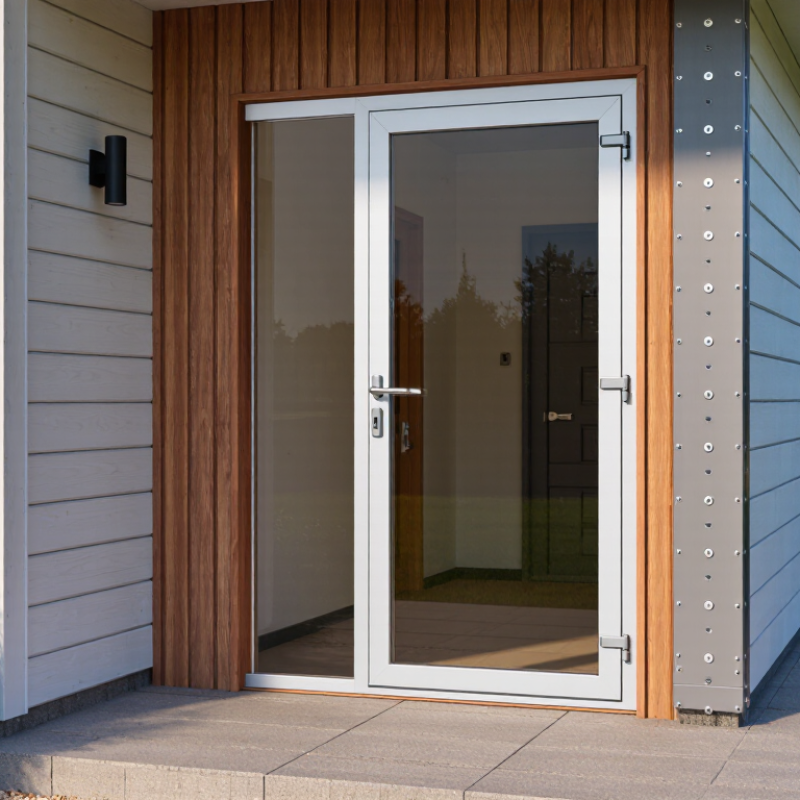
Your local weather should guide the door style. In cold, windy areas, a well-fitted storm door can reduce drafts and protect the main entry from driving rain. In warmer climates, a ventilating model with a screen may help air circulate. Strong afternoon sun can make a glass panel feel hot, so consider how much direct light reaches your doorway. No style suits every home.
Measure the opening, including its width at several points, and check the frame for soft wood, gaps, or loose trim. Note the direction the main door swings and leave enough clearance for handles, steps, and nearby walls. A full-view glass panel can brighten a dim entry, while interchangeable glass and screen panels offer seasonal flexibility. Still, a storm door cannot fix a damaged frame or poor weatherstripping. That detail is easy to overlook.
Tips: Match the door’s ventilation and insulation features to your seasons. Before buying, confirm the opening measurements and inspect the threshold. If the entry is exposed to frequent wind or rain, ask a qualified installer whether the frame needs reinforcement. Measure twice. A small mismatch can lead to rattling, sticking, or unwanted drafts.
When comparing storm-door types, match the opening to how you use it. Full-view models provide a broad glass panel and brighter entry; ventilating models let you swap glass for a screen. Retractable screens are convenient, though their moving parts may need adjustment over time. Measure the frame, check hinge clearance, and inspect the sill before choosing. A small gap can undermine a good door.
Frame material affects upkeep and feel. Aluminum is light and resists rust, but can transfer heat; thermal breaks help limit that. Vinyl needs little painting, while wood-composite frames offer a warmer appearance but still deserve checks for moisture damage. For glass, consider single-pane, insulated, or low-emissivity options, plus tempered safety glazing where appropriate. The U.S. Department of Energy’s guide to storm windows reports potential 10–30% heating and cooling cost savings from low-e storm windows, depending on conditions. That figure is not a storm-door guarantee. Treat it as useful glazing context, not a promise. NFRC ratings, when available, help compare U-factor and solar heat gain. Cold glass beside a sunny porch may be the detail that changes your choice.
Measure the opening at the top, middle, and bottom; older frames are rarely perfectly square. Record width, height, and the frame depth, then follow the door maker’s fitting clearances. A gap at the latch side can invite drafts, while a tight fit may make the closer drag. U.S. Department of Energy guidance estimates that air leaks account for 25–40% of heating and cooling energy use in a typical home. That figure covers the whole home, not storm doors alone, but it shows why a snug fit matters. Check whether the door swings clear of steps, handles, and the main door. Small details matter.
Choose ventilation that suits the room: interchangeable glass and screen panels are useful when seasons change, while a screen-only panel allows steady airflow. Check that panels lock securely and can be changed without awkward lifting. For security, inspect hinge attachment, frame strength, and the deadbolt or latch clearance; a second door is not a substitute for a sound entry door. The FBI’s 2019 Crime in the United States report found forcible entry in 55.7% of burglaries, though it does not measure storm-door performance. Test the closer and handle yourself. The door should close fully without a hard pull, and the screen should not rattle in a light breeze. I would still check the installation instructions twice; even a well-chosen door can bind if the frame is out of square.
| Decision Factor | What to Check | Practical Guidance | Good Choice When… |
|---|---|---|---|
| Door measurements | Measure the opening width at the top, middle, and bottom, and the height on the left, center, and right. Check that the mounting surface is sound and reasonably square. | Use the storm-door manufacturer’s measuring instructions and sizing chart. Openings can vary, so do not choose a size from the primary door’s nominal size alone; confirm handle, trim, and threshold clearance too. | The selected door fits the measured mounting opening and can open without hitting nearby walls, railings, or the entry door handle. |
| Ventilation | Identify whether the door has a removable or interchangeable screen, a retractable screen, or a ventilating sash. | A full-view design with a screen option can provide a large open area for airflow. A ventilating design with a movable glass panel can let in air while leaving part of the opening covered. | You want to use a screen during warm weather and can safely ventilate the entry without leaving the main exterior door open unattended. |
| Glass and screen layout | Compare full-view, partial-view, and retractable-screen layouts. Check how panels are removed or moved for seasonal changes. | Full-view doors generally offer a broader glass area; partial-view doors keep a larger fixed panel or rail across the door. Retractable screens stow away when not in use, but their mechanism needs careful operation. | The glass and screen arrangement suits your priorities for daylight, airflow, outdoor visibility, and seasonal changeover. |
| Security | Inspect the frame, hinges, latch, lock, and how the storm door attaches to the entry opening. | A storm door is an added exterior layer, not a replacement for a secure primary entry door and deadbolt. For security, prioritize a sturdy frame and reliable locking hardware; glass alone should not be treated as a security barrier. | The door closes and latches reliably, and its lock complements—not substitutes for—the lock on the main entry door. |
| Ease of use | Check handing, handle position, closer operation, latch alignment, and whether screens or glass panels are easy to change. | Confirm which side the door should hinge on before ordering. A properly adjusted closer should control the door’s movement and allow it to latch without slamming; follow the installation instructions for adjustment. | Everyone who uses the entry can open, close, and lock the door comfortably, and the door does not obstruct the main entry door. |
| Weather and exposure | Consider direct sun, wind, rain exposure, and the condition of the entry trim and threshold. | Choose materials and finishes intended for exterior use, and make sure the frame is installed and sealed according to its instructions. A storm door does not correct water leaks or damaged entry framing. | The opening is in good condition and the chosen door is suitable for the exposure at that entrance. |
| Final fit check | Before installation, verify the package size, included hardware, hinge side, and clearance from the entry door and surrounding trim. | Follow the product’s installation guide. If the opening is out of square, damaged, or outside the stated fit range, resolve that issue before installing the door. | The frame sits securely, the door swings freely, the latch engages, and the screen or glass components operate as intended. |
A well-chosen storm door should fit the opening without forcing the frame out of square. Check the jamb’s width and height at several points; older homes are rarely perfectly even. Confirm that the entry door, handle, and trim will not collide with the new panel. A poor fit leaks. Ask the installer how the frame will be sealed, how the closer will be adjusted, and whether the sill allows water to drain. The U.S. Department of Energy reports that low-emissivity storm windows can reduce heating and cooling costs by 10–30% in suitable homes. That figure applies to windows, not doors, so treat it as context—not a promised door saving.
Tips: Choose a model suited to your climate and exposure. Inspect hinges, closer screws, weatherstripping, and drainage openings each season. Wipe grit from tracks and replace cracked seals before cold weather. Small checks matter.
For durability, compare frame construction, finish quality, replaceable parts, and warranty terms. A door facing strong sun or driving rain needs more frequent checks. Look for secure glazing retention and hardware that feels solid, not loose. In my experience, installation often matters as much as the product: even a sturdy door can rattle or admit drafts when its frame is misaligned. And maintenance is easy to postpone. Set a seasonal reminder.
A storm door’s lowest price can be misleading once installation, hardware, and seasonal adjustments are included. Ask for an itemized quote covering the closer, sweep, screen, and removal of the old door. Compare the same size and material, then check how each warranty handles finish fading, glass, hardware, and labor. A long warranty may cover parts but not the service call. Small print matters.
For context, the 2024 JLC Cost vs. Value report estimated a national average of $2,355 for steel entry-door replacement, with a modeled resale value of $4,430. That is not a storm-door price or a guaranteed return; it is a useful reminder that door costs and resale value are different measures. The U.S. Department of Energy advises considering storm doors that suit the existing entry door and local climate, rather than assuming every home gains the same energy savings. Compare quoted prices with the door’s fit, weather seals, and warranty terms. A tight sweep matters on a windy evening. I would not choose from price alone; I might still overlook a detail, so I’d confirm exclusions in writing before paying.
Choose a snug, well-sealed door for cold, windy weather. In warmer seasons, a screen can improve airflow. Strong afternoon sun may heat a glass panel.
Measure the opening at the top, middle, and bottom. Record its height and frame depth, too. Older frames may be uneven.
Look for soft wood, gaps, loose trim, and a damaged threshold. A storm door cannot repair a weak frame. Easy to miss.
Interchangeable glass and screen panels let you adapt to changing weather. A full-view glass panel can brighten a dim entry.
Check the swing, handles, steps, and nearby walls for clearance. Test the closer; the door should shut fully without a hard pull. No rattling.
It can add another barrier, but it does not replace a sound entry door. Check hinge attachment, frame strength, and latch clearance.
Ask for an itemized quote covering installation, hardware, the closer, screen, sweep, and old-door removal. Compare similar sizes and materials.
Check coverage for fading, glass, hardware, and labor. A long warranty may exclude service calls. Get exclusions in writing; I might still overlook one.
Choosing the right Exterior Storm Doors begins with your local climate, the layout of your entryway, and the protection or ventilation you need. Consider whether a full-view, partial-view, or ventilating style best suits your home, then compare frame materials and glass options for strength, light, and energy performance. Accurate measurements are essential for a proper fit, while features such as adjustable ventilation, secure locking, and easy operation can make everyday use more convenient.
Before deciding, review installation needs and the time required for routine cleaning and maintenance. Look for durable construction that can withstand the conditions around your entry, and compare the total price with the warranty and expected long-term value. A door that fits well, works smoothly, and meets your practical needs can provide a useful balance of comfort, protection, and lasting performance.