
Factory Knowledge & Insights

Window & Door Blog & Resources

Explore practical guides, manufacturing insights, and professional tips from Haverhill, MA's custom window experts.

0%

Choosing the best type of Vinyl Sliding Glass Doors is not simply a matter of selecting the most attractive frame. The right option must suit your climate, wall opening, room layout, and daily habits. A sunny living room may need low-emissivity glass, while a windy coastal home may require stronger seals and corrosion-resistant hardware. Performance matters. Details decide.

This guide examines the features that affect comfort, durability, security, and long-term value. We will compare single- and multi-panel designs, insulated glass packages, frame construction, roller systems, locks, and weatherstripping. A smooth track can make a door feel effortless, but poor installation may still cause drafts or difficult movement. That difference is easy to miss in a showroom.

Real-world evaluation also requires careful judgment. A lower price may hide weaker rollers, thinner glass, or limited warranty support. Meanwhile, an expensive model is not automatically superior. I would not treat a glossy brochure as proof of quality. Even experienced buyers can overlook drainage design or future replacement costs. The best choice depends on balanced evidence, professional installation, and realistic maintenance expectations. After reading, you should understand which Vinyl Sliding Glass Doors fit your space, budget, and priorities—not merely which model looks impressive at first glance.
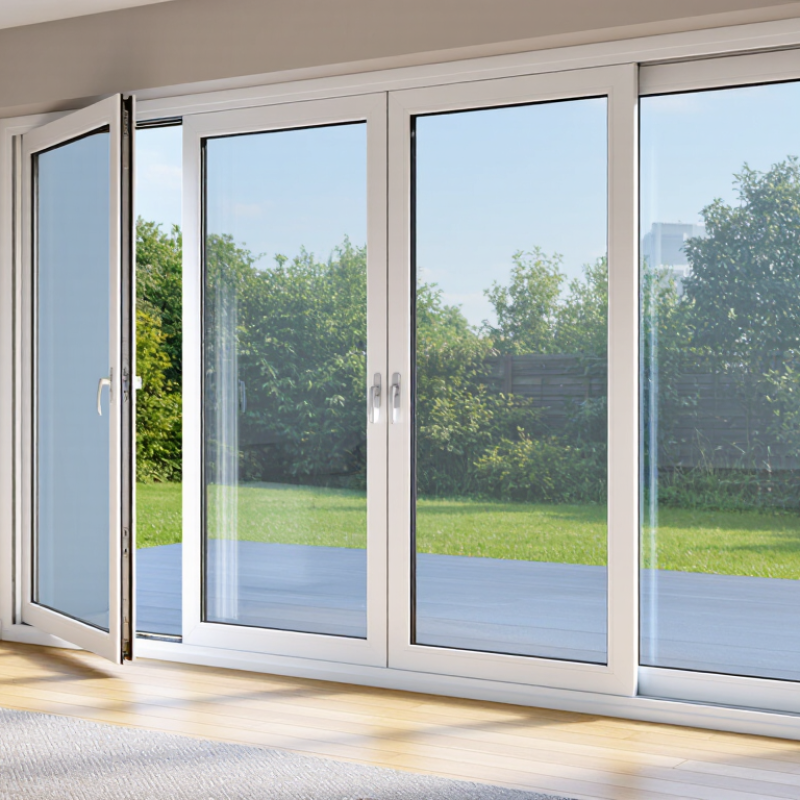
What Is the Best Type of Vinyl Sliding Glass Door?

What Defines a High-Quality Vinyl Sliding Glass Door?

High-quality vinyl sliding glass doors are defined by more than a smooth showroom glide.

In daily use, the frame should feel rigid, corners should meet evenly, and the panels should move without scraping. A well-designed vinyl profile resists moisture and routine temperature changes. It should keep its shape when summer heat reaches the patio.

Look closely at the rollers. Corrosion-resistant components usually provide steadier movement in humid areas. The lock should engage firmly with one hand, without a hard pull.

Glass performance matters just as much.

Insulated glass with a tight edge seal can reduce drafts and outside noise. Low-emissivity coatings may help control indoor heat gain, while laminated glass can improve safety and sound control. Ask for verified thermal and air-leakage ratings, not vague claims.

In my experience, a door that looks premium can still feel cold near the lower track. That detail deserves attention.

A wide sill, clear drainage paths, and replaceable weatherstripping help manage rainwater and cleaning moisture. Small parts matter.

Installation can decide whether the door performs well.

The opening must be square, level, and properly flashed before the frame is secured. Even an excellent door may bind if the wall shifts or the threshold lacks support.

I would inspect the track after installation and again several weeks later. My first judgment is not always right.

A high-quality vinyl sliding glass door is a balanced system of durable materials, reliable hardware, efficient glass, and careful fitting.

How Vinyl Sliding Door Types Differ in Design and Performance

What Is the Best Type of Vinyl Sliding Glass Door?

How Vinyl Sliding Door Types Differ in Design and Performance

Vinyl sliding glass doors differ mainly in panel layout, frame depth, and operating hardware. A two-panel door usually has one moving panel and one fixed panel. It suits smaller openings and offers straightforward maintenance. A three-panel design can create a wider opening, but its center panel may need stronger rollers. Multi-panel systems provide a broader view and better airflow. They also demand more wall space and accurate installation. Bigger is not always better.

Performance depends on details that are easy to overlook. Low-emissivity glass can reduce heat transfer, while insulated glass helps limit outdoor noise. Reinforced vinyl frames resist warping better in changing temperatures. Quality rollers should move smoothly without scraping or jolting. Tight weather seals matter during heavy rain. In real installations, poor shimming can cause leaks, even with excellent materials. That detail deserves more attention. A qualified installer should check the opening, drainage path, sill slope, and locking points before installation. Local climate also changes the right choice.

Tips: Test the door before signing off. Slide it several times. Check for daylight around the seals. Ask how the rollers and weatherstripping can be replaced. Choose tempered safety glass for ordinary doors, and consider laminated glass where impact resistance or sound control matters. A narrow frame may look elegant, but it can reduce structural strength if the opening is unusually wide.

What Is the Best Type of Vinyl Sliding Glass Door?

Vinyl sliding doors differ mainly in panel layout and the amount of wall space they can open. This chart shows the approximate share of the framed opening that can become a clear passage in common configurations. Actual results vary with the specific track, frame, glazing, and installation.

A two-panel door is usually the simplest and most space-efficient option, but only about half of the framed width opens. Three-panel and multi-panel layouts can provide a wider passage, while four-panel designs may offer a balanced combination of daylight, ventilation, and structural stability. For energy performance, compare the door’s certified U-factor, air-leakage rating, glass package, weatherstripping, and installation quality rather than panel count alone.

Which Frame, Glass, and Panel Features Matter Most?

A good vinyl sliding glass door starts with its frame. Choose a multi-chamber vinyl frame with welded corners, strong drainage paths, and limited flex. Reinforcement matters for wide panels, especially when the opening faces strong wind. A frame that feels slightly rigid during operation is usually a better sign than decorative thickness. Check the NFRC label for U-factor, solar heat gain coefficient, visible transmittance, and air leakage. These ratings offer more useful evidence than sales language.

Glass selection should match the room’s climate and exposure. Double-pane low-emissivity glass with argon filling often provides a practical balance between insulation, daylight, and cost. In hot, sunny rooms, a lower solar heat gain coefficient can reduce afternoon heat. In colder regions, a lower U-factor helps limit heat loss. The U.S. Department of Energy estimates that windows can represent 25% to 30% of residential heating and cooling energy use. Small details matter. Warm-edge spacers and tight seals can reduce cold edges and interior condensation.

The sliding panel must move smoothly without feeling loose. Look for adjustable rollers, a continuous interlock, durable weatherstripping, and a low, well-drained sill. Test the lock with the panel fully closed. It should engage without forcing the handle. I would not choose the lowest U-factor automatically; a poorly installed door can waste that advantage. Installation quality is the part homeowners often underestimate. Even the best-rated unit can leak around an uneven opening, and that is an uncomfortable flaw to discover after winter arrives.

What Is the Best Type of Vinyl Sliding Glass Door? - Which Frame, Glass, and Panel Features Matter Most?

General guidance based on commonly available residential vinyl sliding-door construction. Actual performance depends on the complete door assembly, installation, climate, and local building requirements.
Category Feature or Option Typical Specification or Rating Main Benefits Trade-Offs Best Choice When...
Frame Multi-chamber vinyl frame Insulated hollow profiles; commonly includes welded corners and weather seals Low maintenance, moisture resistant, and more thermally efficient than many basic metal frames Can expand and contract with temperature; large panels may require internal reinforcement You want a practical balance of insulation, durability, and cost
Frame Internal steel or composite reinforcement Reinforcement placed inside the meeting stile, jambs, or structural members where required Improves rigidity, alignment, and resistance to frame movement May increase weight, cost, and thermal bridging if poorly designed The opening is wide, the panels are heavy, or the door is exposed to strong wind
Frame Thermally improved sill and drainage system Sloped sill, weep passages, replaceable tracks, and continuous weather seals Helps remove rainwater and reduces drafts, leaks, and track deterioration A low-profile sill may provide less water protection if installation is not carefully detailed The door is installed in a rainy, coastal, or wind-driven-weather location
Glass Double-pane insulated glass unit Two panes separated by a sealed insulating air or gas-filled space Better heat flow and sound control than single-pane glass; reduces interior surface condensation Heavier and more expensive than single glazing; seals can eventually fail Energy efficiency and year-round comfort are priorities
Glass Low-emissivity coating Low-E coating selected for the local heating, cooling, and sunlight conditions Limits unwanted heat transfer and can reduce solar heat gain and fading The wrong coating may reduce useful winter sunlight or increase the purchase price The door receives strong sun or is part of an energy-efficient home
Glass Tempered safety glass Heat-treated glass designed to break into smaller, less sharply edged fragments Improves impact safety and is commonly required for large door lites and hazardous locations Cannot be cut or modified after tempering; replacement is needed if damaged Safety compliance and everyday residential use are important
Glass Laminated glass Two glass layers bonded to an interlayer that holds fragments together Improves security, impact resistance, and outside-noise reduction Usually heavier and more costly; may require stronger rollers and framing Security, hurricane exposure, or traffic noise is a major concern
Panel Two-panel configuration One sliding panel and one fixed panel; the sliding panel usually moves along the inside track Simple operation, fewer moving parts, and generally easier maintenance Provides less clear opening than multi-panel layouts of the same overall width You need a dependable patio or balcony door for a standard opening
Panel Three- or four-panel configuration Multiple panels arranged with one or more moving sections, depending on the track design Creates a wider passage and more expansive views More weight, hardware, adjustment points, and potential air or water leakage paths A large opening and indoor-outdoor access matter more than minimum cost
Panel Adjustable tandem rollers Paired rollers with accessible height adjustment and corrosion-resistant components Supports smoother movement and makes it easier to correct minor alignment changes Rollers and tracks still collect dirt and require periodic cleaning and inspection The panel is large, frequently used, or difficult to lift manually
Panel Low-profile or flush sill Reduced step height compared with a raised track, with drainage designed into the threshold Easier access for children, older adults, and people using mobility aids Requires excellent waterproofing and may be less suitable for exposed locations Accessibility is important and the opening is well protected from direct rainfall
Performance Energy-performance labels Compare U-factor, solar heat gain coefficient, visible transmittance, and air-leakage results Provides a more objective way to compare complete door assemblies A lower number is not always better for every climate; priorities vary by orientation and weather You want to select the door for a specific climate rather than by appearance alone
Security Multi-point lock, anti-lift blocks, and reinforced keeper Locking points that engage the frame plus devices that limit panel lifting Improves resistance to forced entry and helps keep the panel tightly closed Adds hardware complexity and may require precise adjustment The door is on the ground floor or is a primary entry to the home

How to Choose the Best Vinyl Sliding Door for Your Home

Choosing the best vinyl sliding glass door starts with your home, not a showroom display. Measure the opening carefully, including width, height, and wall depth. A door that looks ideal may perform poorly if the frame fits unevenly. Consider your local climate, too. Homes in windy or rainy areas need strong weather seals, durable rollers, and effective drainage.

Glass selection affects comfort and energy use. Double-pane glass usually offers better insulation than single-pane glass. Low-E coatings can reduce heat gain while still allowing natural light. If privacy matters, choose textured or lightly tinted glass. Check the door’s published performance ratings, including air leakage, water resistance, and structural performance. These details provide more reliable guidance than appearance alone.

Tips: Test the track before installation. The panel should glide smoothly without lifting or scraping. Inspect the locking system and confirm that the handle feels solid. Choose a reinforced vinyl frame for larger openings. Professional installation is often worthwhile, especially when the wall is older or slightly out of square. Even excellent materials can fail after poor fitting. I once focused too much on glass size and overlooked drainage. That mistake made maintenance harder. Also, ask about replacement rollers and seals. They wear over time. A door should be easy to repair, not merely attractive on installation day.

What Installation and Maintenance Factors Affect Long-Term Value?

The best vinyl sliding glass door is not always the cheapest or the thickest. Long-term value depends heavily on correct installation. A well-built frame can still fail if the opening is uneven or poorly sealed. Before installation, measure the width, height, and diagonal corners. Even a small mismatch may cause dragging, air leaks, or water entry.

Experienced installers check the sill for level and structural support. They also use compatible flashing, shims, and exterior sealant. The door should slide smoothly without force. If the frame twists during installation, the rollers may wear quickly. Insulated glass and low-emissivity coatings can improve comfort, but only when the frame seals properly. This is where projects sometimes go wrong. People often focus on glass ratings and overlook the wall opening.

Tips:
Keep the track free of grit and leaves. Wipe it with a soft, dry cloth. Do not use heavy oil on the rollers, because it can collect dirt. Inspect the exterior sealant each spring and autumn. Look for gaps, cracks, or soft areas. Clean drainage holes carefully with a soft brush. A professional should adjust stiff rollers or replace damaged weatherstripping. Small maintenance tasks matter. Still, some problems are hidden. Condensation between glass panes may indicate failed seals, not simple surface moisture.

FAQS

What are the main types of vinyl sliding glass doors?

Two-panel doors usually include one moving panel and one fixed panel. They suit smaller openings and need simple maintenance. Three-panel doors create wider openings. Multi-panel systems improve views and airflow, but they require more wall space and precise installation.

Is a larger sliding door always better?

Not always. Larger doors can provide more light and airflow. However, they need stronger rollers, reinforced frames, and accurate support. A narrow frame may look elegant but weaken performance across a very wide opening.

Which glass features improve comfort?

Double-pane glass usually insulates better than single-pane glass. Low-emissivity coatings can reduce heat gain. Insulated glass may also limit outdoor noise. Textured or lightly tinted glass can improve privacy.

How should homeowners measure for a vinyl sliding door?

Measure the opening’s width, height, and wall depth. Check whether the opening is square. Small measurement errors can create uneven pressure around the frame. A door may look right but operate poorly.

What should I check before accepting the installation?

Slide the door several times. It should move without scraping, jolting, or lifting. Check for daylight near the seals. Inspect the handle, locks, sill slope, and drainage path. Test it carefully.

Why do some sliding doors leak after installation?

Poor shimming can leave gaps or change the sill angle. Water may then collect beneath the frame. Strong materials cannot correct careless fitting. The installer should verify drainage and weather seals.

What frame and hardware features matter most?

Reinforced vinyl frames resist warping during temperature changes. Quality rollers should glide smoothly across the track. Strong weatherstripping helps during heavy rain. Ask how rollers and seals can be replaced later.

When is professional installation especially useful?

Professional installation is valuable for older walls or openings that are slightly out of square. It can improve sealing, alignment, and drainage. I once focused too much on glass size. That made maintenance harder.

Conclusion

Choosing the best Vinyl Sliding Glass Doors depends on more than appearance. A high-quality door should combine a strong, well-sealed frame with smooth panel operation, durable hardware, and energy-efficient glass. Different designs may offer varying levels of ventilation, natural light, security, and space-saving performance, so homeowners should consider room layout, climate, daily use, and personal style. Frame material, glass thickness, insulation, weather resistance, and locking features all play an important role in comfort and long-term reliability.

The right door should also match the home’s structure and installation requirements. Professional installation can help ensure proper alignment, reliable sealing, and smooth operation, while routine cleaning, track care, hardware checks, and seal inspection can extend its service life. By comparing design, performance, security, maintenance needs, and overall value, homeowners can select Vinyl Sliding Glass Doors that enhance indoor comfort, improve access to outdoor spaces, and provide dependable performance for years.

Clara

Clara

Clara is a dedicated marketing professional with a deep understanding of the company’s products, customers, and market landscape. Through her practical experience and strong industry knowledge, she translates complex product information into clear, useful, and engaging content for businesses and......