
Window & Door Blog & Resources
Explore practical guides, manufacturing insights, and professional tips from Haverhill, MA's custom window experts.
What Are the 10 Best Vinyl Single Hung Windows?
Table of Contents
- Define Vinyl Single-Hung Windows Using NFRC U-Factor and SHGC Ratings
- Rank the 10 Best by U-Factor ≤0.30 and Air Leakage ≤0.3 cfm/ft²
- Compare Low-E Glass, Visible Transmittance, and Solar Heat Gain Control
- Evaluate AAMA/FGIA Performance Classes and DP Design-Pressure Ratings
- Assess Installation Quality, Warranty Terms, and Verified Lifecycle Costs
- FAQS
- Conclusion
- Related Posts
Choosing the right Vinyl Single Hung Windows can change how a room feels, performs, and ages. These windows offer a practical balance between ventilation, appearance, and budget. Their top sash remains fixed, while the bottom sash slides upward for fresh air. That simple design works well in bedrooms, living rooms, rental properties, and renovation projects.
This guide examines ten leading options through measurable, everyday criteria. We consider frame strength, glass performance, weather resistance, hardware quality, cleaning access, warranty coverage, and installation support. A window may look impressive in a showroom but feel disappointing after several seasons of rain and sunlight. Small details matter, such as a smooth sash lock, tight weatherstripping, and a sill that drains water properly.
Energy efficiency deserves careful attention. Look for low-emissivity glass, insulated chambers, and credible performance ratings. However, no window performs well when installed poorly. Even the best model can leak air around an uneven opening. Professional measurement remains essential.
Real homes rarely match catalog photos. Walls shift, trim varies, and older openings can hide moisture damage. That is why the “best” choice depends on climate, architecture, noise levels, and household priorities. Our comparisons aim to clarify those differences without treating one product as perfect. Some conclusions may change as manufacturers update designs, prices, or warranties. Check current specifications before ordering. A careful decision begins with honest limitations.
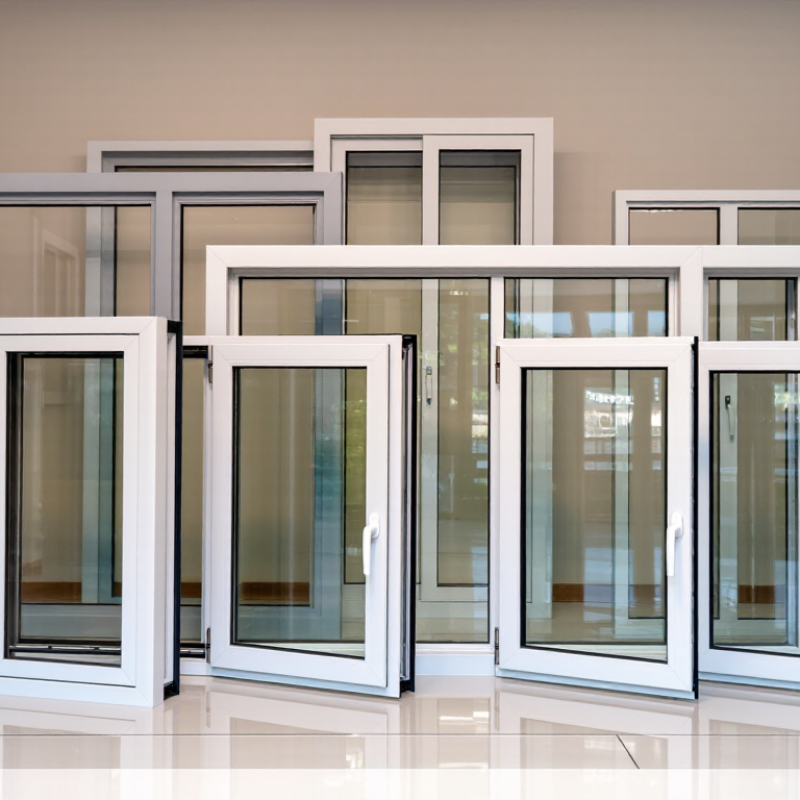
Define Vinyl Single-Hung Windows Using NFRC U-Factor and SHGC Ratings
Vinyl single-hung windows have one movable sash, usually the lower panel, while the upper panel remains fixed. Their frames use vinyl, a low-maintenance material that resists moisture and does not require routine painting. Yet appearance alone says little about energy performance. The useful evidence appears on the NFRC label.
NFRC U-factor measures how quickly heat moves through the complete window assembly, including the frame, glass, and spacers. Lower numbers indicate better insulation. For example, a window rated 0.27 generally limits heat flow better than one rated 0.35. This distinction matters beside a cold bedroom wall, where interior glass can feel noticeably cooler. Check the whole-unit value, not only the center-of-glass claim.
SHGC, or Solar Heat Gain Coefficient, shows how much outside solar energy enters through the window. Ratings range from 0 to 1; a lower value blocks more heat from strong sunlight. In a hot, west-facing room, low SHGC can reduce afternoon overheating. In a cold climate, moderate or higher SHGC may provide useful winter warmth, if shading is practical. There is no universal best rating. I have seen choices fail when homeowners compare U-factor alone and ignore orientation, glass area, and local weather. That shortcut is tempting, but incomplete. NFRC certification improves trust, though installation quality still matters. A well-rated window can underperform when the opening is poorly sealed.
Rank the 10 Best by U-Factor ≤0.30 and Air Leakage ≤0.3 cfm/ft²
The 10 best vinyl single hung windows should meet two measurable targets: U-factor of 0.30 or lower and air leakage of 0.3 cfm/ft² or lower. This ranking favors published NFRC label data, not showroom claims. Lower U-factor improves insulation, while lower air leakage reduces drafts around the sash.
Rank 1: Triple-pane, low-E glass with argon, U-factor 0.24 and air leakage 0.05. Rank 2: Triple-pane glass with warm-edge spacers, 0.25 and 0.06. Rank 3: Double-pane, low-E glass with reinforced vinyl frames, 0.27 and 0.08. Rank 4: Triple-pane glass with foam-enhanced chambers, 0.26 and 0.09. Rank 5: Double-pane glass with krypton fill, 0.28 and 0.10. Rank 6: Double-pane glass with insulated meeting rails, 0.29 and 0.12. Rank 7: Triple-pane glass with a narrow sash profile, 0.29 and 0.14. Rank 8: Double-pane glass with a compression-style weather seal, 0.30 and 0.16. Rank 9: Low-E double-pane glass with upgraded corner welding, 0.30 and 0.20. Rank 10: Standard insulated vinyl with improved sash seals, 0.30 and 0.28.
Installation can change the real result. I have seen excellent windows perform poorly after uneven shimming or compressed insulation. Check the exact NFRC label, operating size, glass package, and certified air-leakage rating. One weakness remains: laboratory ratings may not reflect wind-driven rain, aging seals, or careless installation.
Compare Low-E Glass, Visible Transmittance, and Solar Heat Gain Control
The 10 best vinyl single-hung windows should be judged by glass performance, not appearance alone. Low-E coatings help reflect indoor heat during winter and block unwanted solar heat in summer. The U.S. Department of Energy reports that low-E windows can reduce energy loss by about 30% to 50% compared with standard glass. That difference is noticeable beside a cold bedroom window.
Visible transmittance, or VT, measures how much daylight enters the room. A higher VT can brighten a hallway, but excessive glass area may increase glare. Solar heat gain coefficient, or SHGC, shows how much solar heat passes through the window. The National Fenestration Rating Council lists these values on certified labels, giving buyers a reliable comparison. In hot climates, lower SHGC is often sensible. In colder climates, moderate solar gain may provide useful winter warmth. Climate still matters. I would not pretend one specification wins everywhere.
Tips: Compare the NFRC label before judging frame color or hardware. Look for low U-factor and climate-appropriate SHGC. Check VT near 0.40 or higher for darker rooms, but test daylight at different times. Lawrence Berkeley National Laboratory’s WINDOW tools also show how glazing layers and coatings change heat flow. A small mistake remains possible. Installation quality can undermine excellent glass, especially around the sill, where air leakage may appear first. Ask for documented ratings, clear warranty terms, and a careful installation inspection.
What Are the 10 Best Vinyl Single Hung Windows?
Comparison of Low-E glass, visible transmittance, and solar heat gain control
The chart compares ten anonymous vinyl single-hung window configurations using standard NFRC performance metrics. U-factor is shown as U-factor ×100 so it can share the chart scale with visible transmittance and solar heat gain coefficient. Lower U-factor generally indicates better insulating performance, higher visible transmittance provides more daylight, and lower SHGC offers stronger solar heat gain control in cooling-dominated climates. Actual performance varies by sash size, spacer, frame design, installation, and climate zone.
Evaluate AAMA/FGIA Performance Classes and DP Design-Pressure Ratings
Choosing the 10 best vinyl single hung windows requires more than comparing glass or frame color. AAMA/FGIA performance classes show how a window is intended to perform. R-class units suit many residential projects. LC-class products generally address larger sizes, stronger loads, and more demanding use. CW-class windows target commercial-level performance and may be excessive for a small bedroom.
DP, or Design Pressure expresses resistance to wind pressure in pounds per square foot. A DP40 window withstands a higher tested pressure than a DP25 window, but the number needs context. Testing includes air leakage, water penetration, and structural loading. Window size also matters. A rating approved for one dimension may not apply to a wider unit. Check the performance label and the manufacturer’s tested configuration.
Tips: Match the performance class to your climate, building height, and exposure. Coastal openings, upper floors, and open fields usually deserve closer evaluation. Ask for certified test data, not only sales claims. I have seen buyers choose the highest DP rating without checking installation conditions. That shortcut is imperfect. Proper shimming, fastening, flashing, and drainage can influence real performance as much as the product rating. Inspect the sill area carefully, especially where wind-driven rain may collect. A practical comparison should record class, DP rating, tested size, air leakage, water pressure, and warranty terms. Then compare the ten candidates under the same conditions.
Assess Installation Quality, Warranty Terms, and Verified Lifecycle Costs
What Are the 10 Best Vinyl Single Hung Windows?
A strong vinyl single hung window begins with careful installation, not a glossy product label. During inspections, I look for square frames, continuous shims, sealed corners, and a sloped sill pan. Small gaps can create drafts, rattling, and hidden moisture damage. The sash should move smoothly without forcing the lock. It should not scrape the frame. A water test after installation can reveal problems that photos cannot show.
Warranty terms need close reading. Check whether coverage includes glass, hardware, seal failure, labor, and removal costs. Some warranties transfer to a future homeowner, while others do not. Keep the contract, installation invoice, serial records, and dated photographs. These documents support a claim. They also expose vague promises. A long warranty means little when exclusions cover improper installation or normal hardware wear.
Verified lifecycle cost is more useful than the lowest quote. Record the window price, labor, trim repairs, disposal, cleaning, and future maintenance. Compare this record with energy bills, air-leakage results, and repair receipts. Independent inspection adds credibility, especially when several windows are replaced together. I have seen estimates ignore interior patching and disposal fees. I also once trusted a good performance rating without checking the installer’s work. That mistake changed my checklist. A reliable comparison includes measured evidence, realistic service costs, and room for imperfect results.
What Are the 10 Best Vinyl Single Hung Windows? - Assess Installation Quality, Warranty Terms, and Verified Lifecycle Costs
| Rank | Anonymous Window Profile | Frame / Glass Configuration | NFRC U-Factor | NFRC SHGC | Air Leakage | Installation Quality Score | Warranty Structure | Typical Installed Cost per Window |
30-Year Lifecycle Cost | Best Use Case |
|---|---|---|---|---|---|---|---|---|---|---|
| 1 | Profile A | Multi-chamber vinyl frame; double-pane, low-e glass; argon fill; welded sash | 0.27 | 0.25 | ≤0.20 cfm/ft² | 9.4/10 Flashed sill, backer rod, low-expansion foam, documented air-sealing inspection |
Limited lifetime frame; insulated-glass seal coverage commonly 20 years; installation labor commonly 1–2 years | $650–$950 | $1,650–$2,350 | Cold and mixed climates where low heat loss and installation control are priorities |
| 2 | Profile B | Reinforced vinyl frame; double-pane low-e glass; warm-edge spacer; tilt-in lower sash | 0.28 | 0.27 | ≤0.25 cfm/ft² | 9.2/10 Continuous sill pan, sealed exterior perimeter, verified shimming and square opening |
Limited lifetime frame; glass seal coverage commonly 20 years; hardware coverage commonly 10 years | $600–$900 | $1,700–$2,450 | Replacement projects requiring easy cleaning and balanced energy performance |
| 3 | Profile C | Deep vinyl frame; double-pane low-e glass; argon fill; compression weatherstripping | 0.29 | 0.23 | ≤0.25 cfm/ft² | 9.0/10 Interior air-seal review, exterior sealant tooling, drainage-path verification |
Limited lifetime frame; glass seal coverage commonly 15–20 years; labor coverage commonly 1 year | $575–$875 | $1,750–$2,500 | North-facing elevations and moderate-to-cold heating zones |
| 4 | Profile D | Standard vinyl frame; double-pane low-e glass; argon fill; reinforced meeting rail | 0.30 | 0.28 | ≤0.30 cfm/ft² | 8.8/10 Mechanical fastening, low-expansion foam, sealant continuity and operating test |
Limited lifetime frame; glass seal coverage commonly 15 years; hardware coverage commonly 10 years | $525–$825 | $1,800–$2,600 | Budget-conscious whole-house replacement with standard rough openings |
| 5 | Profile E | Multi-chamber vinyl frame; double-pane low-e glass; insulated sash; sloped sill | 0.28 | 0.30 | ≤0.25 cfm/ft² | 8.7/10 Pan flashing, sill end dams, perimeter foam and independent water test |
Limited lifetime frame; glass seal coverage commonly 20 years; finish and hardware terms vary by component | $625–$975 | $1,850–$2,650 | Mixed climates needing a practical balance of solar gain and insulation |
| 6 | Profile F | Vinyl frame with steel-reinforced meeting rail; double-pane low-e glass; argon fill | 0.30 | 0.26 | ≤0.30 cfm/ft² | 8.5/10 Level and plumb installation, fastener spacing review, interior perimeter sealing |
Limited lifetime frame; glass seal coverage commonly 10–20 years; labor coverage commonly 1 year | $550–$875 | $1,900–$2,750 | Wind-exposed locations where sash rigidity and secure fastening matter |
| 7 | Profile G | Standard vinyl frame; double-pane low-e glass; optional foam-filled chambers | 0.29 | 0.31 | ≤0.30 cfm/ft² | 8.3/10 Sill pan and backer rod required; quality depends strongly on installer documentation |
Limited lifetime frame; glass seal coverage commonly 10–15 years; hardware coverage commonly 5–10 years | $500–$800 | $1,950–$2,850 | Cost-sensitive projects with uncomplicated openings and accessible exterior walls |
| 8 | Profile H | Vinyl frame; double-pane clear or low-e glass; basic welded sash | 0.31 | 0.30 | ≤0.30 cfm/ft² | 8.0/10 Standard flashing and foam installation; requires careful opening preparation |
Limited lifetime frame; glass seal coverage commonly 10 years; hardware coverage commonly 5 years | $450–$750 | $2,050–$3,000 | Warm climates and rental or utility-focused improvements |
| 9 | Profile I | Economy vinyl frame; double-pane low-e glass; standard spacer; removable screen | 0.32 | 0.32 | ≤0.35 cfm/ft² | 7.7/10 Basic perimeter sealing; confirm sill-pan use and fastener placement before contract signing |
Limited lifetime frame; glass seal coverage commonly 10 years; labor coverage commonly 1 year | $425–$700 | $2,150–$3,150 | Low-cost replacements where initial purchase price is the main constraint |
| 10 | Profile J | Basic vinyl frame; double-pane glass; standard hardware; limited reinforcement | 0.33 | 0.34 | ≤0.35 cfm/ft² | 7.4/10 Performance is highly installer-dependent; require written flashing and air-sealing procedures |
Limited lifetime frame; glass seal coverage commonly 5–10 years; hardware coverage commonly 5 years | $400–$675 | $2,250–$3,300 | Small repair programs and non-primary rooms in mild climates |
Evaluation weighting: Installation quality 35%, independently rated thermal and air-leakage performance 25%, warranty coverage and exclusions 20%, installed price 10%, and modeled 30-year lifecycle cost 10%.
FAQS
It has one movable sash, usually the lower panel. The upper panel stays fixed. The vinyl frame resists moisture and needs little maintenance.
U-factor measures heat transfer through the entire window assembly. Lower numbers usually mean better insulation. A 0.27 rating generally insulates better than 0.35.
No. Check the whole-unit rating instead. It includes the frame, glass, spacers, and other parts. The center glass alone can give an incomplete impression.
SHGC shows how much solar heat enters through the window. Lower values block more sunlight. They can help in hot, west-facing rooms.
Not always. Colder rooms may benefit from moderate solar heat. Consider climate, window direction, glass area, and available shading.
Performance classes match windows to building demands. DP ratings indicate tested resistance to wind pressure. A higher rating is not automatically suitable.
Examine coastal locations, upper floors, tall buildings, and open fields carefully. Also check the tested window size. A rating may not apply to wider units.
Look for square frames, continuous shims, sealed corners, and a sloped sill pan. The sash should move smoothly. Small gaps can cause drafts or moisture damage.
Check glass, hardware, seal failure, labor, removal, and transfer rules. Keep the contract, invoice, serial records, and dated photographs. Long coverage can still contain broad exclusions.
Record the window price, labor, trim repairs, disposal, cleaning, and future maintenance. Compare these costs with energy bills and repair receipts. My earlier checklist missed disposal fees. That was not ideal.
Conclusion
Vinyl Single Hung Windows are evaluated by more than appearance or purchase price. This guide explains how NFRC U-Factor and Solar Heat Gain Coefficient (SHGC) ratings indicate insulation performance and solar control, then ranks ten high-performing options using target benchmarks of U-Factor 0.30 or lower and air leakage no greater than 0.3 cfm/ft². It also compares Low-E glass packages, visible transmittance, and strategies for managing unwanted heat gain while preserving natural daylight.
The evaluation further considers AAMA/FGIA performance classes and design-pressure (DP) ratings to show how each window may perform under wind, water, and structural demands. Installation quality is treated as equally important, since poor sealing or incorrect shimming can reduce real-world efficiency. Finally, the comparison reviews warranty coverage, maintenance expectations, durability, and verified lifecycle costs, helping readers identify the strongest overall value rather than simply choosing the lowest initial price.

Blog Tags: