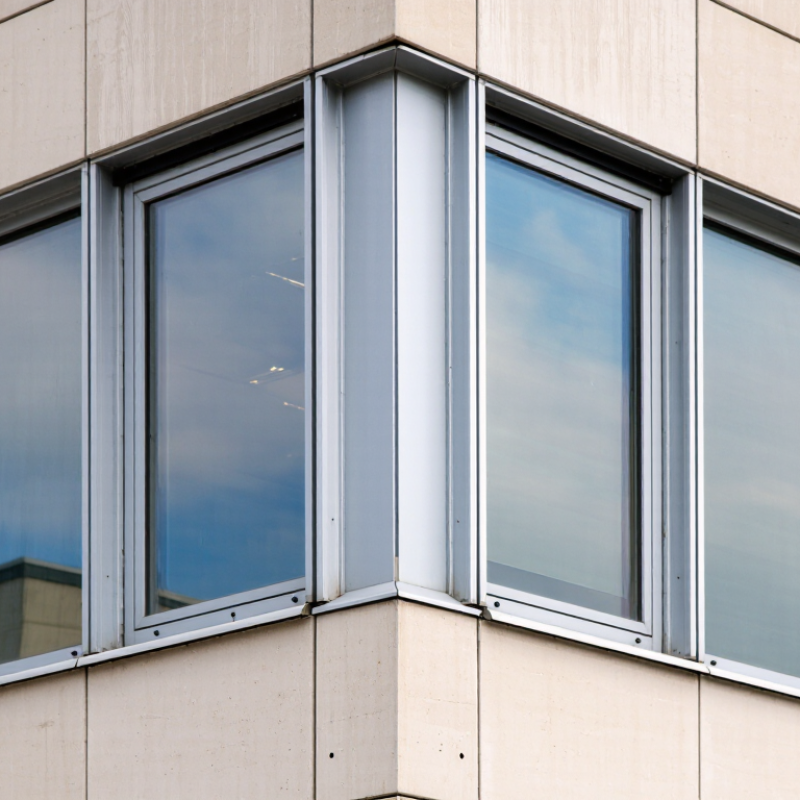
Choosing Light Commercial Aluminum Windows is not simply a matter of selecting attractive frames. The right system must respond to wind pressure, rain exposure, solar heat, energy targets, and daily building use. A narrow profile may look elegant, yet it can perform poorly when drainage paths or thermal breaks are overlooked. Small details matter.
Dr. Joe Lstiburek, a respected building-science and enclosure expert, often emphasizes, “If you don't understand water, you don't understand buildings.” His warning applies directly to Light Commercial Aluminum Windows. Water should move away from the frame, not collect behind sealants or interior finishes. Reliable designs include tested flashing, sloped sills, weep paths, durable gaskets, and compatible glazing materials.
This guide examines the decisions that influence long-term window performance. It considers frame depth, glass selection, thermal improvement, air control, acoustic comfort, hardware, maintenance, and installation quality. Project teams should also review local codes, wind-load requirements, energy standards, and manufacturer test data before approval. A product that works in a sheltered storefront may struggle on an exposed upper floor.
There is no perfect window for every building. Budget pressure can make compromises feel reasonable. They may not remain reasonable after condensation, leaks, or difficult operation appear. Compare tested performance, not only catalog images. Ask how the system behaves at corners, joints, and transitions. That step is easy to miss. It may also decide whether the finished façade remains dependable for years.
Define the Requirements for Light Commercial Aluminum Windows
How to Choose Light Commercial Aluminum Windows
Define the Requirements for Light Commercial Aluminum Windows
Defining requirements starts with the building’s real conditions, not a standard product list. Record opening sizes, floor height, façade exposure, occupancy, cleaning access, and replacement limits. A street-facing café needs different glass from a quiet medical office. A six-storey elevation also faces stronger wind pressure than a ground-floor storefront. According to the U.S. Department of Energy’s 2018 CBECS report, commercial buildings covered approximately 97 billion square feet across 6.8 million buildings. That scale makes one universal window specification unrealistic.
Energy performance deserves careful attention. The IEA’s Buildings 2023 report states that buildings used about 30% of global final energy in 2022 and produced roughly 26% of energy-related emissions. Identify the project’s climate zone before selecting U-factor and solar heat gain coefficient values. Compare the complete window assembly, not only the center-glass result. Request NFRC-based ratings, air leakage data, water resistance, structural test pressure, and thermal-break details. ASHRAE 90.1 may also influence the final values, depending on location and project type.
Compare Frame Types, Glass Options, and Thermal Performance
Choosing light commercial aluminum windows starts with frame design, not appearance. Standard aluminum frames conduct heat quickly through the metal. Thermally broken frames use a polyamide separator between the interior and exterior sections. This reduces the heat path and limits interior condensation. For conditioned offices, clinics, and small retail spaces, that detail often matters more than a slightly lower purchase price.
Glass changes performance significantly. Double glazing suits many moderate climates, while triple glazing may support colder regions or strict energy targets. Low-e coatings control radiant heat, and argon-filled cavities can improve insulation. Specify the U-factor for heat flow, the solar heat gain coefficient for sunlight, and visible transmittance for daylight. Lower U-factor is usually better, but a very low SHGC can make a bright room feel gloomy. Small gaps hurt.
The U.S. Department of Energy estimates that windows can influence 25–30% of residential heating and cooling energy use. This is not a direct commercial forecast, but it shows why glazing deserves careful review. NFRC rating data provides comparable U-factor, SHGC, and air-leakage values across tested products. Ask for certified values, not marketing adjectives. Site exposure still matters. A west-facing window may need stronger solar control than a shaded north-facing opening. I would also check frame corners and installation joints, because laboratory ratings cannot fully predict careless installation.
Evaluate Durability, Safety, and Compliance Standards
Choosing light commercial aluminum windows requires more than comparing frame prices. On active sites, I check corner joints, drainage paths, fasteners, and thermal breaks before reviewing appearance. Aluminum resists corrosion and impact, but weak seals can still cause leaks. The U.S. Department of Energy estimates that windows can represent 25–30% of residential heating and cooling energy use. This benchmark shows why U-factor, solar heat gain coefficient, and air leakage matter in commercial spaces.
Safety and compliance should be verified through documented test results. Look for performance testing under AAMA/WDMA/CSA 101/I.S.2/A440, including air infiltration, water penetration, and structural loading. ASTM E283 and ASTM E331 results can clarify leakage resistance. Select tempered or laminated safety glass where human impact, overhead glazing, or breakage risks exist. Local building codes may also require wind-load calculations, emergency exits, and fall protection. The International Energy Agency’s Buildings report states that buildings consume about 30% of global final energy, so efficient glazing supports wider environmental goals.
Tips: Request project-specific calculations, not generic brochures. Inspect sample corners and gaskets. Confirm installer training and warranty limits. A perfect specification is rare. I sometimes find that a cheaper frame performs better after proper drainage design. Still, small omissions can become expensive repairs. Recheck every rating against the actual opening size, exposure, and climate zone.
How to Choose Light Commercial Aluminum Windows
Evaluate durability, safety, and compliance standards
How to read the chart: Performance Grade (PG) values are standardized design-pressure levels in pounds per square foot under AAMA/WDMA/CSA 101/I.S.2/A440. Higher PG values indicate greater tested resistance to structural wind pressure, but the correct grade must be selected from the project’s calculated wind loads.
Safety and compliance checks: Confirm air-leakage and water-penetration results, required safety glazing, emergency egress, accessibility clearances, thermal performance, and local energy-code requirements. PG ratings alone do not confirm every safety or code requirement.
Review Installation Methods, Maintenance, and Long-Term Costs
Choosing light commercial aluminum windows requires more than comparing frame prices. Installation method changes both performance and labor risk. New construction usually allows a nailed flange or exterior subframe, while renovation work may need a screw-fastened frame inside the existing opening. I prefer a thermally broken frame, sloped sill pan, backer rod, and compatible sealant. The details matter. Poor perimeter sealing can undermine an expensive window. Field water testing after installation is worthwhile, although small projects often skip it.
Maintenance
Maintenance should begin with an annual inspection. Clean drainage channels, check loose fasteners, and examine cracked sealant around corners. Do not block weep holes with paint or debris. A facility manager should record air leakage, condensation, and difficult operation. These notes reveal recurring problems before glass or framing requires replacement. I have seen maintenance plans fail because they were written for ideal conditions, not dusty loading areas or frequent door traffic.
Long-term cost depends on energy, repairs, and replacement access. The U.S. Department of Energy reports that windows can account for 25–30% of residential heating and cooling energy use; commercial results vary by glazing and climate. The figure is not a perfect commercial forecast. EIA’s 2018 Commercial Buildings Energy Consumption Survey also shows heating and cooling are major energy loads, making U-factor, solar heat gain coefficient, and air leakage important selection metrics. Compare five-year maintenance records, expected service life, and installation disruption—not only the purchase invoice.
Select a Window Supplier Based on Quality, Service, and Warranty
How to Choose Light Commercial Aluminum Windows
Choosing a light commercial aluminum window supplier requires more than comparing prices. Quality begins with the frame, glass, hardware, and fabrication accuracy. Ask for thermal performance data, air infiltration results, and water resistance testing. These documents show whether the windows suit offices, clinics, or small retail buildings. A reliable supplier should explain the specifications clearly, not hide behind technical language.
Service becomes important after the order is placed. Confirm who checks measurements, prepares shop drawings, and supports installation questions. Experienced suppliers can identify practical issues, such as uneven openings or limited access for large frames. I have learned that small measurement errors can create expensive delays. Still, even careful teams can miss something, so written confirmations and site photos are valuable. Response time matters when a damaged sash or missing component stops work.
Tips:
Compare at least three written quotations. Check the warranty for frame finish, glass, hardware, and labor separately. Ask how claims are submitted and how quickly replacement parts usually arrive. Make sure the warranty covers commercial use and states any maintenance requirements. A long warranty sounds impressive, but vague exclusions can weaken it. Request references from similar projects, then ask whether support continued after installation. Pay attention to the details.
FAQS
What should I inspect before choosing aluminum windows for a light commercial building?
Check corner joints, drainage paths, fasteners, gaskets, and thermal breaks. Appearance comes later. Small flaws can create expensive repairs.
Why do window energy ratings matter?
Windows may account for a large share of heating and cooling use. Compare U-factor, solar heat gain, and air leakage ratings.
Which safety tests should a supplier provide?
Request documented tests for air infiltration, water penetration, and structural loading. Ask for project-specific results, not generic brochures.
What type of glass suits areas with impact risks?
Tempered or laminated glass can reduce injury risks after breakage. Consider these options near people, overhead glazing, and busy walkways.
How does installation method affect window performance?
New construction may use an exterior flange or subframe. Renovations may require fasteners inside existing openings. The opening condition matters.
What installation details help prevent leaks?
Use a sloped sill pan, backer rod, compatible sealant, and a thermally improved frame. Poor perimeter sealing can defeat good materials.
How should commercial aluminum windows be maintained?
Inspect them annually. Clean drainage channels, check fasteners, and examine cracked sealant. Keep paint and debris away from drainage openings.
What should a facility manager record after installation?
Record condensation, air leakage, difficult operation, and recurring damage. Photos help. Records reveal patterns, although teams sometimes miss small changes.
How can buyers compare long-term window costs?
Compare energy use, repairs, replacement access, maintenance, and installation disruption over five years. The cheapest frame may perform better with proper drainage.
What should be checked in a supplier’s warranty?
Review coverage for frames, glass, hardware, labor, commercial use, and maintenance duties. A long warranty can still contain vague exclusions.
Conclusion
Choosing the right Light Commercial Aluminum Windows begins with clearly defining the project’s requirements, including building use, window size, ventilation, daylight, energy efficiency, and budget. Compare different frame types, glass configurations, thermal breaks, and insulation performance to find a suitable balance between comfort, appearance, and operating costs. It is also important to evaluate resistance to weather, corrosion, impact, and daily use, while confirming that the selected windows meet applicable safety, performance, and building standards.
Before making a final decision, review installation methods, expected maintenance, cleaning needs, and long-term costs rather than focusing only on the initial purchase price. A reliable supplier should offer consistent product quality, accurate technical support, clear communication, professional service, and a practical warranty. By assessing these factors together, property owners and contractors can select Light Commercial Aluminum Windows that provide dependable performance, attractive design, improved energy efficiency, and lasting value for commercial applications.
Evelyn is a dedicated marketing professional with a deep understanding of the company’s products, customers, and industry environment. Through thoughtful research and clear communication, Evelyn regularly contributes expert articles to the company’s professional blog, sharing practical insights,......