
Choosing the right China top Fixed Picture Windows manufacturer supplier requires more than comparing online prices. It requires evidence, communication, and practical product experience. A reliable supplier should understand architectural drawings, glass specifications, frame systems, and installation conditions. They should also explain limitations clearly, not simply promise the lowest cost.
Fixed Picture Windows can create wide views, stronger daylight, and a clean architectural appearance. Their performance depends on more than the visible glass. Frame quality, sealing methods, drainage design, hardware compatibility, and factory assembly all matter. Ask for documented testing, including air performance, water resistance, structural strength, and thermal values. Product samples can reveal important details. Check corner joints, gasket contact, surface finishing, and glass edges closely.
Details matter most.
An experienced Chinese manufacturer should provide accurate shop drawings, material options, production schedules, and export packaging plans. Factory photographs are useful, but independent inspections can offer stronger confidence. References from completed projects may also show how the supplier handles real problems. No supplier is perfect. Color differences, drawing revisions, or delivery delays can still happen. The important question is how quickly and honestly the company responds.
This guide examines supplier capability, customization, quality control, certifications, communication, pricing, and after-sales support. It also considers whether a company can produce consistent Fixed Picture Windows for residential, commercial, and large-scale developments. A polished website is not enough. Reliable performance is built through repeatable processes, careful inspection, and clear accountability.
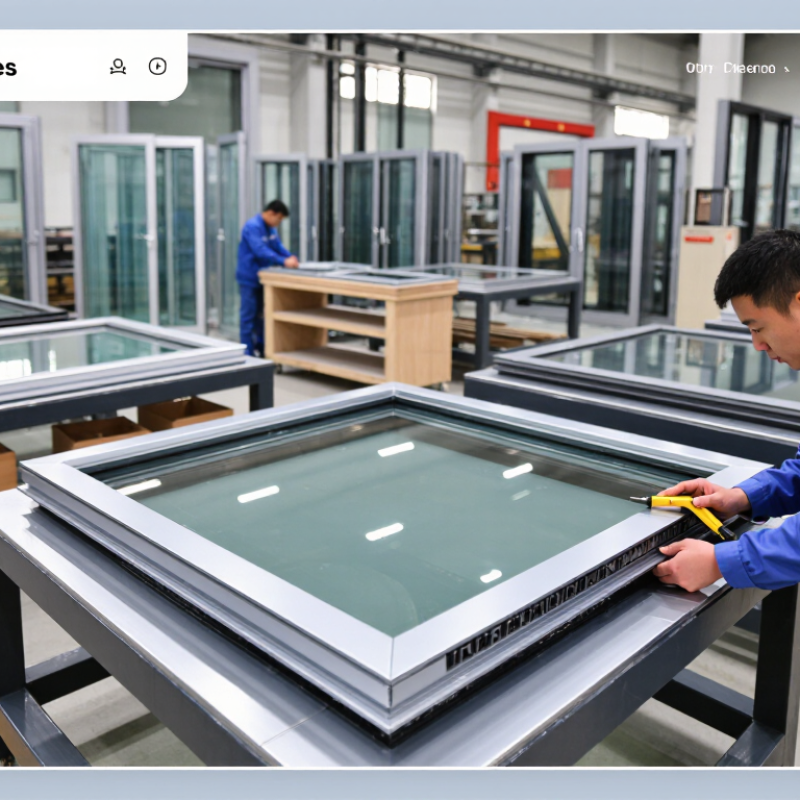
What Defines a Fixed Picture Window and Its Main Components?
A fixed picture window is a non-operable glazed unit designed to provide clear outdoor views. It does not open, slide, or tilt. It stays closed. This structure reduces moving parts and usually improves resistance to air leakage. The main components include the frame, insulating glass unit, spacer, sealants, setting blocks, and interior glazing bead. The frame may use aluminum, uPVC, wood, or a composite material. Each choice affects strength, thermal performance, and maintenance needs.
The insulating glass unit commonly contains two glass panes with an air or argon-filled cavity. Low-emissivity coatings can reduce heat transfer while preserving daylight. According to the U.S. Department of Energy, windows can influence about 25% to 30% of residential heating and cooling energy use. That figure makes glass selection more than an appearance decision. The International Energy Agency’s 2023 buildings report also states that buildings consume about 30% of global final energy. Window specifications therefore deserve careful review.
Professional evaluation should include U-factor, solar heat gain coefficient, visible transmittance, and condensation resistance. NFRC rating principles help compare these values under consistent conditions. However, ratings do not replace installation quality. Poor shimming, uneven sealant, or weak drainage can reduce real performance. This is where some supplier comparisons become too simple. A lower price may hide thinner frames, weaker spacers, or limited testing records. For China-based sourcing, buyers should request drawings, test reports, material details, and installation guidance before approving production.
| Aspect or Component | What It Is | Common Options or Characteristics | What to Check When Specifying or Sourcing |
|---|---|---|---|
| Fixed picture window | A non-operable window designed to admit daylight and provide an unobstructed view. The sash or glazed frame does not open for ventilation. | Used as a standalone window or combined with operable windows in a larger window assembly. | Confirm the opening dimensions, required performance, installation details, and whether separate ventilation is needed. |
| Frame | The perimeter structure that supports the glazing and connects the window to the building opening. | Common materials include aluminum, uPVC, timber, and combinations such as aluminum-clad timber. Profiles may include thermal breaks. | Compare profile depth, material, finish, thermal-break design where applicable, and compatibility with the wall and installation method. |
| Glazing | The glass assembly that provides the view and contributes to thermal, solar, acoustic, and safety performance. | Options include single glazing, insulated glass units (IGUs), laminated glass, and tempered glass. An IGU typically uses two or more panes separated by a sealed cavity. | Specify glass make-up based on local climate, building code, wind loads, safety requirements, and project performance targets. Required glass thickness depends on size and loading. |
| Spacer and sealed cavity | In an IGU, the spacer separates the panes and helps maintain the cavity; perimeter seals help keep moisture out and retain the cavity gas where specified. | Spacer materials and edge-seal systems vary. The cavity may contain air or an insulating gas such as argon. | Request the IGU configuration, spacer type, cavity width, gas-fill specification if applicable, and applicable quality or durability documentation. |
| Glazing gasket or seal | Flexible material used around the glass to cushion it and help form a weather-resistant interface with the frame. | May be supplied as a gasket or as part of a glazing system using compatible sealants. | Check material compatibility, continuous contact, corner details, and installation instructions for the selected glass and frame system. |
| Glazing bead or retaining system | A frame component or system that retains the glass in position. Some window designs use beads; other systems use different retention methods. | May be located on the interior or exterior, depending on the system design. | Confirm the retention method, security and safety requirements, and whether the glazing can be installed and replaced as intended. |
| Weather seals and perimeter joints | Seals at the frame and installation perimeter help limit air and water leakage when correctly designed and installed. | Performance depends on the window system, joint design, seal materials, and installation workmanship. | Review tested air- and water-resistance results where required, along with sill, head, jamb, and perimeter installation details. |
| Hardware | Fixed picture windows do not require operating hardware such as hinges or opening handles. | Anchors, clips, or other fixing components may still be required to secure the frame to the building structure. | Identify the required fixing method and confirm it suits the substrate, project loads, and approved installation details. |
| Thermal performance | Describes how well the complete window limits heat transfer. The frame, glazing, spacers, and edge details all contribute. | Performance is commonly assessed using whole-window U-factor or U-value; lower values generally indicate less heat transfer. | Compare whole-window values for the specified configuration rather than relying only on a center-of-glass figure. |
| Solar and visible-light performance | Solar heat gain coefficient (SHGC or g-value) describes the fraction of solar heat admitted, while visible transmittance (VT) describes transmitted visible light. | Values vary with glass coatings, tint, pane make-up, and other glazing choices. | Choose values that suit the building orientation, climate, daylight needs, and energy requirements. |
| Supplier evaluation | A sourcing review should assess whether the manufacturer can produce the specified window and provide appropriate technical information. | Useful records may include drawings, product data, test reports, installation instructions, and inspection or quality documents. | Compare the exact configuration, declared performance, production capability, packaging, lead time, and project-specific compliance documentation. |
It is a non-operable window designed for wide outdoor views. It does not open, slide, or tilt. It stays closed.
Common parts include the frame, insulated glass unit, spacer, sealants, setting blocks, and glazing bead. Each part affects durability and thermal performance.
Suppliers usually offer clear, low-emissivity, laminated, tempered, and insulated glass. Triple glazing may suit colder or noisier locations. Numbers matter.
Its coating reduces heat transfer while preserving daylight. It can lower solar heat gain and help stabilize indoor temperatures.
Common choices include aluminum, uPVC, timber, and composite materials. Aluminum supports large panels, while timber offers a warmer appearance. Maintenance varies.
A thermal break separates exterior and interior aluminum sections. This reduces heat transfer and condensation risk near the inside frame edge.
Request the U-factor, solar heat gain coefficient, visible transmittance, and condensation resistance. Confirm whether the quoted values include the complete window assembly.
Yes. Poor shimming, uneven sealant, weak drainage, or incorrect tolerances can reduce real performance. The rating is not the whole story.
Ask for drawings, test reports, material details, installation guidance, inspection photos, and packaging information. A small corner sample can reveal weak joints or finish problems.
Compare frame thickness, spacer type, gasket material, glass thickness, drainage, coating durability, and delivery protection. A cheaper quote may omit important details. I may still overlook something.
Fixed Picture Windows are non-operable units designed to provide clear views, abundant daylight, and strong weather resistance. This article explains their main components, including insulated glass, spacers, sash or glazing stops, frames, seals, and installation interfaces. It also introduces NFRC U-Factor and SHGC ratings, showing how these values help buyers evaluate heat transfer, solar heat gain, indoor comfort, and overall energy performance. In addition, the article describes how air leakage is tested at 75 Pa under ASTM E283 to assess the tightness of a fixed window assembly.
Buyers will also learn about the glass, frame, and thermal-break solutions commonly offered by Chinese suppliers, such as double or triple glazing, Low-E coatings, aluminum or thermally improved frames, and composite options. Finally, the guide explains how to compare manufacturers by reviewing test reports, certifications, quality-control procedures, customization ability, production capacity, packaging, and lead times. These factors can help buyers select reliable Fixed Picture Windows for residential and commercial projects.