
Casement And Awning Windows can bring fresh air into a room while keeping their frames relatively clear of the opening. Casement windows swing outward on side hinges, while awning windows open from the bottom and tilt outward. That difference affects ventilation, views, and how each window handles light rain. Small details matter.
This 2026 buyer’s guide compares window styles, materials, hardware, energy features, and installation considerations. It also explains what to check in product specifications, warranty terms, and independent performance ratings. A smooth crank handle may feel reassuring in a showroom, but hinge quality, seals, and correct installation matter over time. Not every room benefits. An outward-opening sash may conflict with a walkway, patio, or exterior shutter, so measure the space before choosing. Climate, wall exposure, and local building requirements can also shape the right fit. No single model suits every home, and product claims deserve a careful look. Use the comparisons ahead to narrow your options, then confirm details with a qualified installer and the manufacturer. There may be trade-offs. A window with strong ventilation may not be the best choice where exterior clearance is limited. The goal is a practical match, not simply the most impressive feature list.
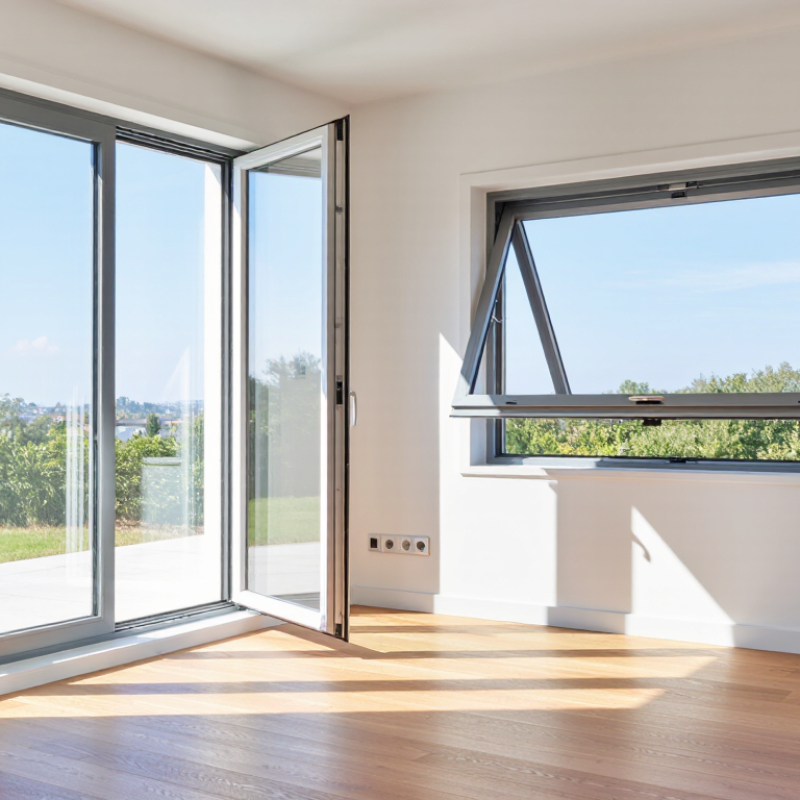
Casement and awning windows are both hinged, but they open in different directions. A casement window is attached at the side and swings outward like a door. An awning window is hinged at the top and tilts outward from the bottom. That difference affects airflow, rain protection, and where each design fits.
Casement windows can catch side breezes and create a wide, clear opening. Crank handles can be handy when a window is hard to reach, though the hardware may need adjustment over time. Awning windows often suit kitchens and bathrooms because they can stay partly open during light rain. Their openings may provide less direct ventilation. Neither style is automatically the better choice. Consider room layout, local weather, exterior clearance, screen placement, and access to the controls. It is easy to focus on appearance and overlook cleaning access.
Tips: Test the handle. Check the hinges and seals. Ask how the glass can be cleaned from indoors. Compare air-leakage and water-resistance ratings, not just frame materials. Small details matter. A display model may operate smoothly, but installation and maintenance also affect performance.
Understanding Casement and Awning Window Designs
Both designs typically use a hinged sash that opens outward. The key difference is hinge placement: casement windows are side-hinged, while awning windows are top-hinged. These are common design traits; individual products may vary.
Casement and awning windows can seal tightly when closed, but their performance depends on more than the opening style. Vinyl frames resist moisture and need little upkeep, though quality and reinforcement vary. Fiberglass is stable through temperature swings and can support narrow sightlines. Wood offers a warm interior surface, but exposed finishes need regular attention. Aluminum is strong and slim; without a thermal break, it can transfer heat readily. Details matter.
Glass deserves equal scrutiny. Double glazing is common, while triple glazing may help in colder climates or noisy locations. Low-emissivity coatings reduce heat transfer, and gas between panes can improve insulation. Ask for the window’s U-factor and solar heat gain coefficient, not just a general “energy-efficient” claim. A lower U-factor usually means less heat escapes; the preferred solar gain depends on climate and window direction. Not always obvious.
A shaded, north-facing opening has different needs from a sunny west-facing one. Compare ratings for the whole window, including its frame, rather than glass alone. Check that the operating sash closes evenly against its weatherstripping, and ask how installation gaps will be sealed. Even a capable unit can underperform if fitted poorly. This part is easy to overlook. Some published ratings may not reflect the exact size or configuration you plan to buy, so verify the product documentation before comparing options.
For 2026 buyers, the best casement and awning windows are not simply the ones with the highest performance label. Match the opening style to the room, weather, and ventilation needs. Casement windows swing outward on side hinges, making them useful above kitchen counters or sinks. Awning windows hinge at the top and can admit air during light rain. Check the National Fenestration Rating Council label for U-factor and solar heat gain coefficient, then compare products suited to your climate. Small details matter.
The U.S. Department of Energy reports that heat gain and heat loss through windows account for about 25%–30% of residential heating and cooling energy use. That makes glazing, frame construction, and installation worth close attention. In cold regions, buyers may prioritize lower U-factor ratings; in sunny climates, solar heat gain needs careful review. ENERGY STAR qualification can help narrow choices, but its criteria vary by climate zone. Look at the applicable rating, not just the logo.
For a frequently used room, a casement window can offer a wide opening and a tight sash seal when closed. An awning model may suit bathrooms or lower-level rooms where privacy matters. Both styles need enough exterior clearance, especially near walkways, shrubs, or decks. Measure twice. Ask installers how they will flash and seal the frame, and request written performance ratings. One imperfect reality: the best-rated window can still disappoint if installation is poor.
Casement and awning windows can look similar on a quote, yet their hardware and opening styles affect the final cost. Casements swing sideways; awning windows hinge at the top and open outward. Compare the full installed price, not just the frame. Glass upgrades, screens, trim, disposal, and interior repairs can add up. Ask for itemized quotes from at least two installers. Small details matter.
Read warranty terms before choosing. Check how long the glass, frame, and operating hardware are covered, and whether labor is included. Some warranties exclude damage linked to poor installation or neglected upkeep. Keep the paperwork and confirm how to request service. A long warranty sounds reassuring, but the exclusions matter too.
Installation quality affects comfort and operation. Ask how the crew will check opening measurements, seal gaps, and direct water away from the frame. After installation, open and close each sash; it should move without scraping or unusual force. Maintenance is usually simple: clean tracks, inspect seals, and keep hinges free of grit. Follow the care instructions, not guesswork. A neat quote cannot predict every site issue, and that is worth remembering.
Matching Window Styles to Room and Climate Needs
The right window depends on how a room is used, not just its appearance. Casement windows open outward on side hinges, giving kitchens and living rooms a broad path for fresh air. That can help when a breeze crosses the room. Check that open sashes will not hit a walkway, deck, or nearby shrub.
Awning windows hinge at the top and open from the bottom. Their sheltered opening can admit air during a light shower, which may suit bathrooms or laundry rooms. Still, wind-driven rain can get inside. A small detail, but important. In humid climates, ventilation helps, though it cannot replace effective moisture control.
Climate and exposure matter as much as window style. In cold or windy areas, ask about air leakage, glazing, and installation details; a well-chosen sash can underperform if fitted poorly. For sunny rooms, consider orientation and solar heat gain before choosing glass. I would not assume one style is best throughout a house. A shaded bedroom may need different priorities from a west-facing kitchen, and local conditions can make the choice less obvious.
Casement windows swing outward from side hinges. Awning windows hinge at the top and open outward. That small difference matters.
A casement window can provide a wide opening above a counter or sink. Check that its sash has room to swing outside.
They can admit air during light rain. They are often considered for bathrooms or lower-level rooms where privacy matters.
Check the U-factor and solar heat gain rating on the window label. Lower U-factors may suit colder regions, while sunny climates need careful review of solar heat gain.
Compare itemized quotes, not just frame prices. Glass upgrades, screens, trim, disposal, and interior repairs can add to the cost.
Check coverage for glass, frames, hardware, and labor. Read exclusions carefully, and keep the paperwork. A long warranty may still have limits.
Ask how installers will measure the opening, seal gaps, and direct water away from the frame. Then open and close each sash. It should move smoothly.
Clean the tracks, inspect seals, and keep hinges free of grit. Follow the care instructions. Guesswork can miss small problems.
Yes. Poor installation can affect comfort and operation, even with strong ratings. I might overlook that when comparing labels alone.
This guide explores how casement and awning windows work, from their outward-opening designs to the ways they provide ventilation and weather protection. It compares common frame materials and glazing options, explaining how insulation, airtightness, and glass performance can affect comfort and energy use. Buyers will also find practical criteria for evaluating window options for 2026, including durability, ease of operation, and suitability for different types of homes.
Choosing the right Casement And Awning Windows also means weighing upfront prices against warranties, installation requirements, and ongoing maintenance. The guide considers how room use, window placement, and local climate can influence the best choice—for example, when airflow, rain resistance, or improved thermal performance matters most. By balancing these factors, homeowners can narrow their options and select windows that fit their budget, living space, and long-term needs.